

Working Principle and Characteristics of Silicon Carbide Powder Conveying
Understanding the mechanisms and attributes of silicon carbide powder conveying is crucial for industries that rely on efficient material handling solutions. This article provides a detailed exploration of how silicon carbide powder is transported and the key features that define its conveying systems, presented by Shandong HeadPowder Engineering Co., Ltd., a leading provider in the field.
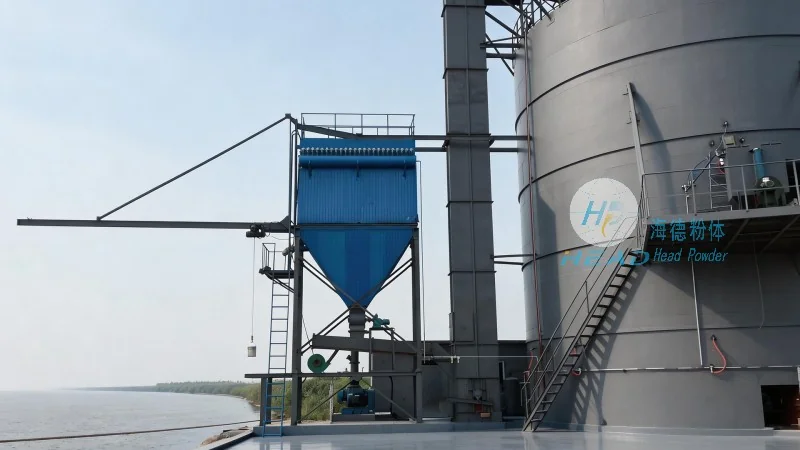
Introduction to Silicon Carbide Powder Conveying
Silicon carbide (SiC) is a high-performance ceramic material widely used in various industrial applications, including abrasive tools, refractory materials, and semiconductor components. Efficiently conveying this fine powder is essential to maintain product quality and operational efficiency. The process of silicon carbide powder conveying involves several key components and mechanisms designed to handle the material's unique properties, such as its abrasive nature and fine particle size.
The Working Principle of Silicon Carbide Powder Conveying
At the core of silicon carbide powder conveying systems is a combination of mechanical and pneumatic technologies tailored to the material's characteristics. The primary working principle involves the use of air pressure to move the fine powder through a network of pipes or ducts. This method, known as pneumatic conveying, utilizes a pressure differential to create a flow of air that carries the powder particles. The system typically includes a hopper or feeder to store the silicon carbide powder, a blower or compressor to generate the necessary air pressure, and a pipeline network that transports the material to the destination point, such as a processing unit or storage silo.
During the conveying process, the silicon carbide powder is suspended in the air stream, allowing it to travel through the system with minimal friction and blockage. The design of the conveying system, including the size and shape of the pipes, the velocity of the air, and the angle of the pipelines, plays a critical role in ensuring efficient and reliable transport. Properly engineered systems can handle high volumes of silicon carbide powder while maintaining low pressure drop and minimizing material degradation.
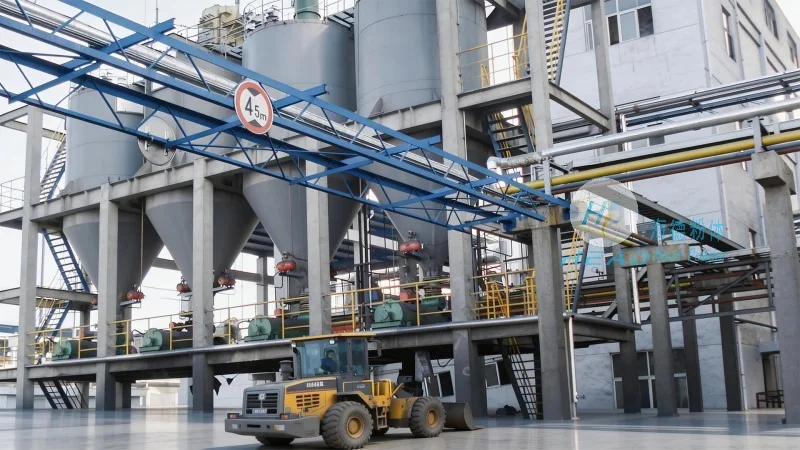
Key Characteristics of Silicon Carbide Powder Conveying Systems
Several distinct characteristics define the performance and functionality of silicon carbide powder conveying systems. These features are designed to address the challenges posed by the material's abrasive and fine nature, ensuring safe and efficient operation. The first key characteristic is the ability to handle abrasive materials without causing excessive wear to the conveying equipment. Silicon carbide is a hard and brittle material, and conventional conveying methods may lead to premature wear on pipes, valves, and other components. Advanced systems use specialized materials, such as stainless steel or high-grade alloys, and wear-resistant coatings to mitigate this issue.
A second critical characteristic is the system's capability to maintain particle integrity during transport. Silicon carbide powder is often used in applications where particle size and shape are critical, and excessive attrition or agglomeration can negatively impact product quality. Modern conveying systems employ low-velocity or low-pressure conveying methods to minimize particle breakage and maintain the powder's original characteristics. Additionally, the use of flexible hoses or flexible ducts can help reduce the impact of vibrations and prevent particle segregation.
A third important characteristic is the system's ability to handle varying flow rates and material compositions. Silicon carbide powder can be mixed with other materials or additives, and the conveying system must be able to accommodate these changes without compromising performance. Advanced control systems, such as variable frequency drives (VFDs) and flow meters, allow for precise regulation of air pressure and flow rate, ensuring consistent and reliable transport under different operating conditions.
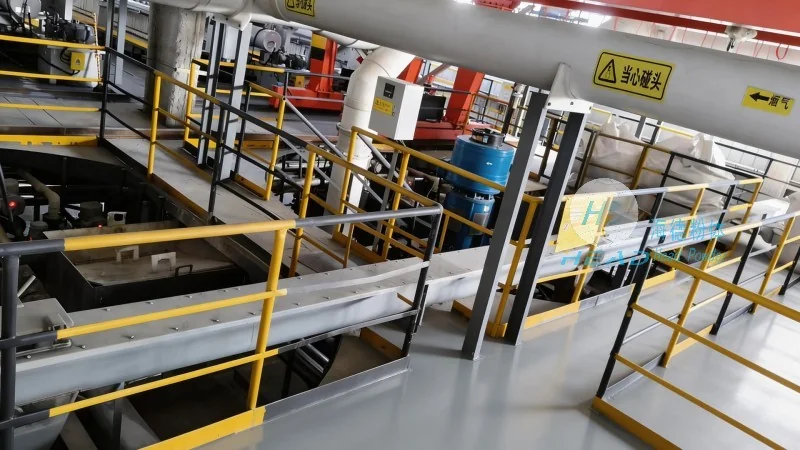
Advantages of Silicon Carbide Powder Conveying
Implementing silicon carbide powder conveying systems offers several advantages for industrial operations. One of the primary benefits is the reduction in labor costs associated with manual handling of the fine powder. Conveying systems automate the material transport process, minimizing the need for manual loading and unloading, which can be hazardous due to the material's abrasive nature. This not only improves safety but also increases overall productivity.
Another significant advantage is the improvement in product quality and consistency. By using automated conveying systems, the risk of contamination and particle segregation is minimized. The consistent flow of silicon carbide powder ensures that the material reaches the processing unit in the correct form and quantity, leading to more uniform product output. This is particularly important in applications where the powder's properties directly impact the final product's performance.
Furthermore, silicon carbide powder conveying systems contribute to energy efficiency and environmental sustainability. By optimizing the air pressure and flow rate, these systems reduce energy consumption compared to traditional methods like bucket elevators or belt conveyors. The reduced energy usage translates to lower operational costs and a smaller carbon footprint, aligning with modern industrial sustainability goals.
Applications of Silicon Carbide Powder Conveying
Silicon carbide powder conveying systems are widely used in various industries that rely on silicon carbide as a key material. In the abrasive tools industry, these systems are used to transport silicon carbide powder to manufacturing facilities where it is mixed with binders and molded into grinding wheels, sandpapers, and other abrasive products. The consistent supply of powder ensures that the final products meet the required specifications for hardness and wear resistance.
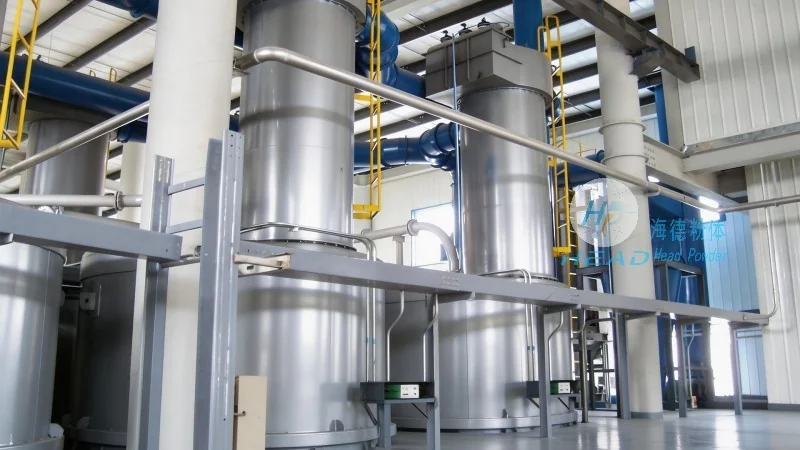
In the refractory materials industry, silicon carbide powder is used to produce high-temperature refractory bricks and linings. Conveying systems efficiently transport the powder to the mixing and molding processes, ensuring that the refractory materials have the desired composition and properties for use in high-temperature environments. The ability to handle large volumes of powder with minimal degradation is critical in this application.
In the semiconductor industry, silicon carbide is used as a substrate and component material for high-power electronic devices. The fine powder is conveyed to the production lines where it is processed into wafers and other components. The precision and reliability of the conveying system are essential to maintain the high purity and uniformity of the silicon carbide material, which is crucial for the performance of semiconductor devices.
Conclusion
Silicon carbide powder conveying systems represent a sophisticated solution for efficiently handling this critical industrial material. By understanding the working principles and key characteristics of these systems, industries can optimize their material transport processes, improve product quality, and enhance operational efficiency. Shandong HeadPowder Engineering Co., Ltd. specializes in providing customized conveying solutions tailored to the unique needs of silicon carbide powder applications, ensuring reliable and sustainable material handling for a wide range of industrial sectors.