

Working Principle and Characteristics of Dry Powder Powder Material Handling
Understanding the working principle and characteristics of dry powder powder material handling is crucial for industries that rely on efficient and safe transportation of bulk powders. This article provides an in-depth look at the mechanisms behind dry powder handling systems, highlighting key features that enhance operational efficiency and safety.
About HeadPowder: A Leading Provider of Powder Handling Solutions
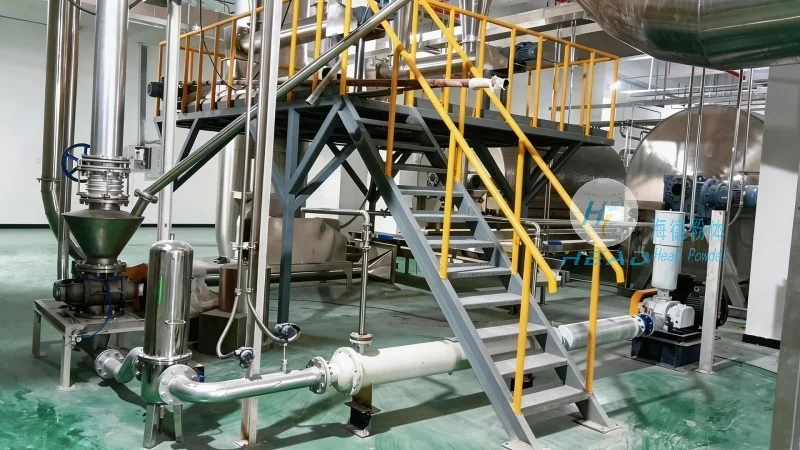
HeadPowder, formally known as Shandong HeadPowder Engineering Co., Ltd., is a reputable company based in Shandong, China. Specializing in the design, manufacturing, and integration of powder handling equipment, HeadPowder has established itself as a trusted partner for businesses seeking reliable solutions for dry powder material transport. With a strong commitment to quality and innovation, the company delivers systems tailored to meet diverse industrial needs, ensuring optimal performance and durability.
The Working Principle of Dry Powder Powder Material Handling
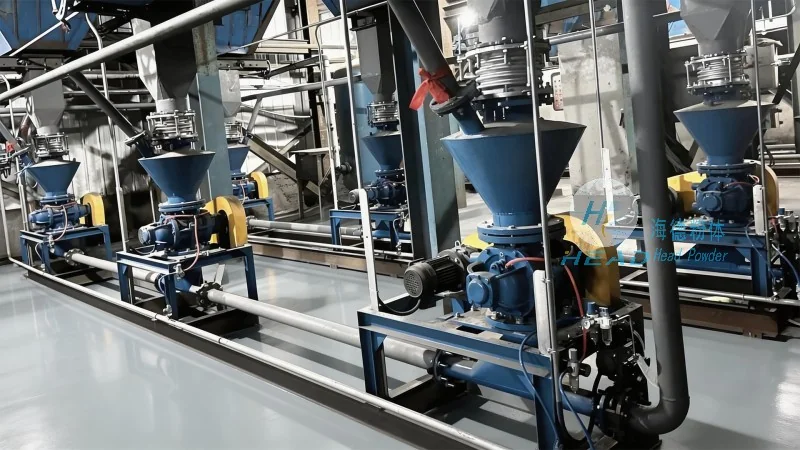
Dry powder powder material handling systems operate on the principle of conveying bulk powders through a controlled environment, typically using pneumatic or mechanical methods. The core mechanism involves the movement of particles from a source to a destination, often utilizing air pressure or mechanical force to facilitate transport. In pneumatic systems, for example, dry powders are suspended in a stream of air and transported through pipelines. This method is particularly effective for fine powders that might be prone to caking or agglomeration. The process begins with the loading of the powder into a hopper or silo, where it is then fed into a conveyor system. From there, the powder is propelled through the system, either by positive pressure (blowing air into the material) or negative pressure (sucking air out of the material). This controlled movement ensures that the powder is transported without excessive friction or degradation, maintaining its quality and consistency.
Key Characteristics of Dry Powder Powder Material Handling Systems
Several distinct characteristics define effective dry powder material handling systems. One of the primary features is the ability to handle a wide range of powder types, from fine powders like cement and flour to coarser materials such as sand or granules. This versatility makes the systems suitable for various industries, including pharmaceuticals, food processing, and chemical manufacturing. Another key characteristic is the system's efficiency in terms of energy consumption and operational speed. Modern dry powder handling systems are designed to minimize energy usage while maximizing throughput, ensuring that businesses can achieve high productivity without excessive operational costs. Additionally, safety is a critical characteristic, as these systems are engineered to prevent dust explosions and ensure operator safety. Features such as explosion-proof designs, dust collection systems, and automated controls contribute to a safer working environment. The systems also offer flexibility in terms of layout and integration, allowing for customization to fit specific plant configurations and operational requirements.
Advantages and Applications of Dry Powder Powder Handling Technology
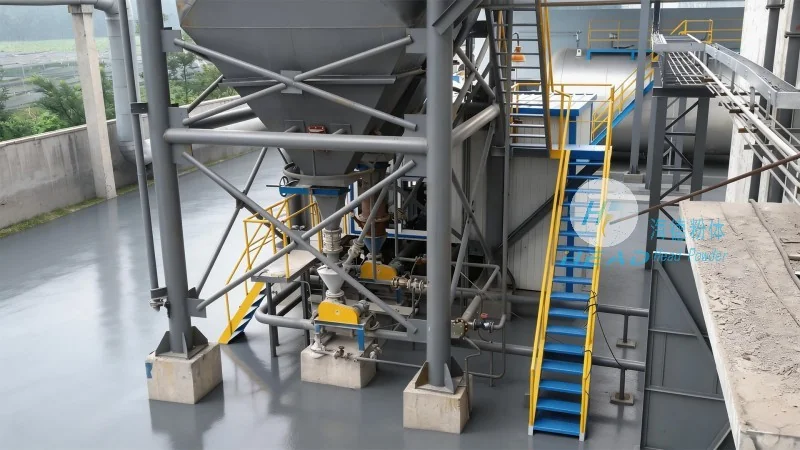
The adoption of dry powder powder handling technology offers numerous advantages for industrial operations. One significant benefit is the reduction in material waste and loss during transport. By maintaining the integrity of the powder and minimizing spillage, these systems help businesses save on raw material costs and improve overall profitability. Another advantage is the improved process control, as the systems allow for precise measurement and dosing of powders, which is essential in applications like pharmaceutical manufacturing where accuracy is paramount. Furthermore, the technology enhances operational safety by reducing the risk of dust-related incidents, such as explosions or respiratory hazards. This not only protects workers but also helps companies comply with regulatory standards. In terms of applications, dry powder handling systems are widely used in the food and beverage industry for transporting ingredients like sugar, flour, and spices. In the chemical industry, they are employed for handling raw materials and intermediates. The pharmaceutical sector also relies on these systems for the transport of active pharmaceutical ingredients (APIs) and excipients, ensuring that the materials remain sterile and uncontaminated. Overall, the technology plays a vital role in optimizing production processes and maintaining product quality across diverse industrial sectors.