

Working Principle and Features of Calcium Carbide Dust Gas-Pneumatic Conveying Line
This document provides an overview of the working principle and key features of the gas-pneumatic conveying line designed for calcium carbide dust, manufactured by Shandong HeadPowder Engineering Co., Ltd. The system is engineered to efficiently handle the specific characteristics of calcium carbide dust, ensuring reliable and safe material transport in industrial applications.
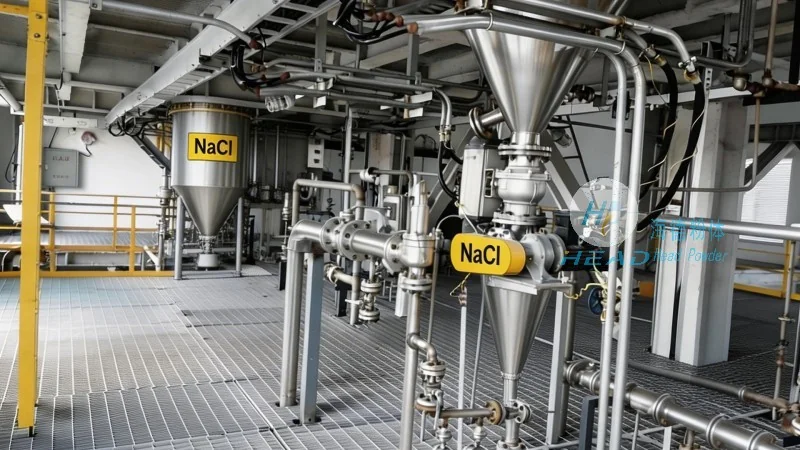
Working Principle of the Gas-Pneumatic Conveying System
The gas-pneumatic conveying line operates on the principle of air pressure to transport calcium carbide dust from a source to a destination. The system typically consists of a dust collector, a conveying pipeline, a control valve, and a receiver. When the system is activated, compressed air is introduced into the pipeline, creating a high-velocity air stream that entrains the dust particles. This air-dust mixture is then propelled through the pipeline to the designated collection point. The process ensures that the dust is transported without the need for mechanical components that could cause wear or contamination, maintaining the purity of the material.
Key Features of the Calcium Carbide Dust Conveying Line
Several notable features distinguish the gas-pneumatic conveying line for calcium carbide dust:
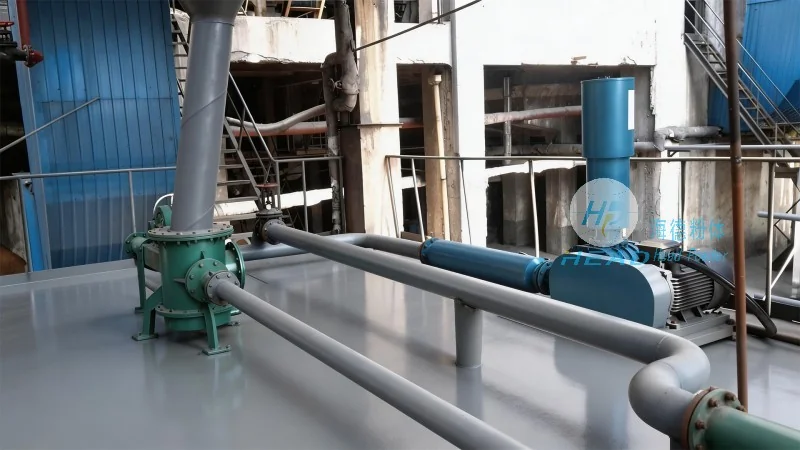
1. Efficient Material Handling: The system is capable of handling large volumes of calcium carbide dust with minimal pressure drop, ensuring consistent and reliable transport even over long distances.
2. Low Maintenance Requirements: By eliminating mechanical components such as belts, screws, or augers, the system reduces the need for frequent maintenance, lowering operational costs and downtime.

3. Prevention of Material Contamination: The air-pneumatic design prevents cross-contamination and ensures that the dust remains in its original state, which is critical for applications where material purity is essential.
4. Adaptability to Different Particle Sizes: The conveying line can accommodate a wide range of particle sizes, from fine powders to larger granules, making it versatile for various industrial processes.
5. Energy Efficiency: The system utilizes compressed air efficiently, with optimized air flow rates that minimize energy consumption while maintaining effective transport performance.
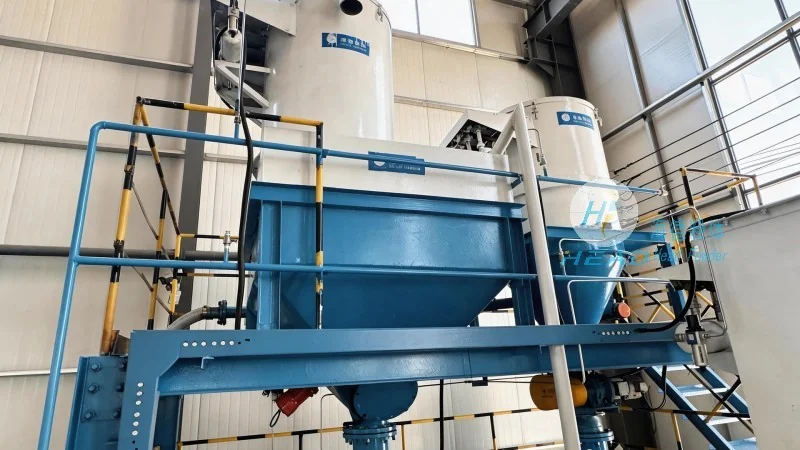
Technical Specifications and Design Considerations
The gas-pneumatic conveying line is designed with specific technical parameters to meet the demands of calcium carbide dust handling. Key design considerations include the selection of appropriate pipeline materials (such as stainless steel or corrosion-resistant alloys) to prevent chemical reactions with the dust, and the use of high-quality air filters to maintain air purity. The system also incorporates safety features, such as pressure relief valves and emergency shut-off mechanisms, to ensure operational safety in industrial environments.
Applications and Benefits
The calcium carbide dust gas-pneumatic conveying line is widely used in industrial settings where calcium carbide is processed or used as a raw material. The benefits of this system include improved process efficiency, reduced labor costs, and enhanced safety by minimizing manual handling of dust. The system is particularly suitable for applications in the chemical, metallurgical, and manufacturing industries, where reliable and clean material transport is essential.