

What is a Pneumatic Conveyor for Food Additive Materials? And What Are Its Design Principles?
Pneumatic conveyors are vital equipment in the food processing sector, especially for handling food additive materials. These systems utilize air or gas to transport bulk materials through a network of pipes, offering a hygienic, enclosed solution that minimizes contamination risks. As a specialized manufacturer, Shandong HeadPowder Engineering Co., Ltd. has been at the forefront of developing advanced pneumatic conveyor systems tailored for the unique demands of food additive processing. This article explores the fundamental concepts of such conveyors and the core design principles that ensure their effectiveness and compliance with industry standards.
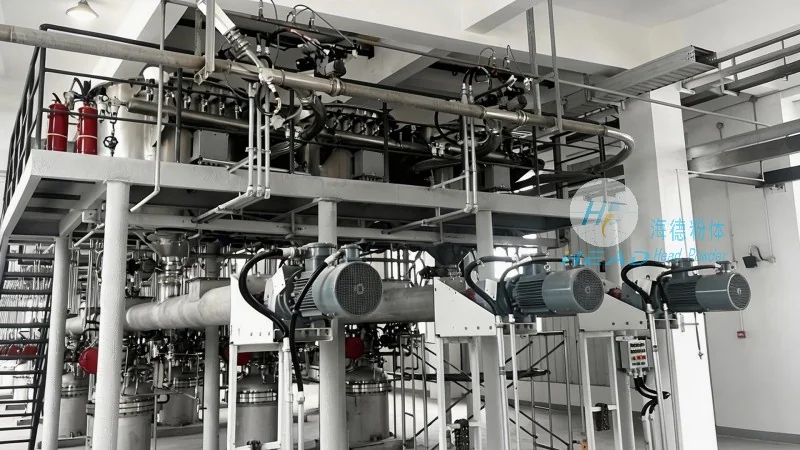
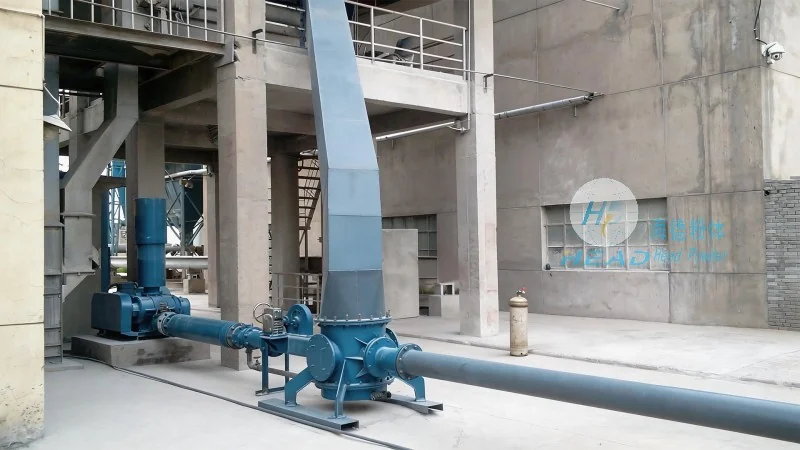
Key Design Principles of Pneumatic Conveying Systems
The design of a pneumatic conveyor for food additives involves several critical principles to ensure efficiency, safety, and product integrity. First, the system must be constructed from materials that are food-grade and resistant to corrosion, such as stainless steel or specialized polymers. This prevents contamination and ensures the conveyor can withstand the chemical properties of various food additives. Second, the system must be designed to operate under strict sanitary conditions, with smooth, non-porous surfaces and easy-to-clean components. This is crucial for maintaining compliance with regulations like FDA and EU food safety standards. Third, the selection of the conveying method—whether pressure or vacuum—depends on the material's characteristics, such as particle size, density, and flowability. Pressure systems use compressed air to push materials forward, while vacuum systems use suction to draw materials into the system. The choice impacts the system's energy efficiency and the risk of material degradation.
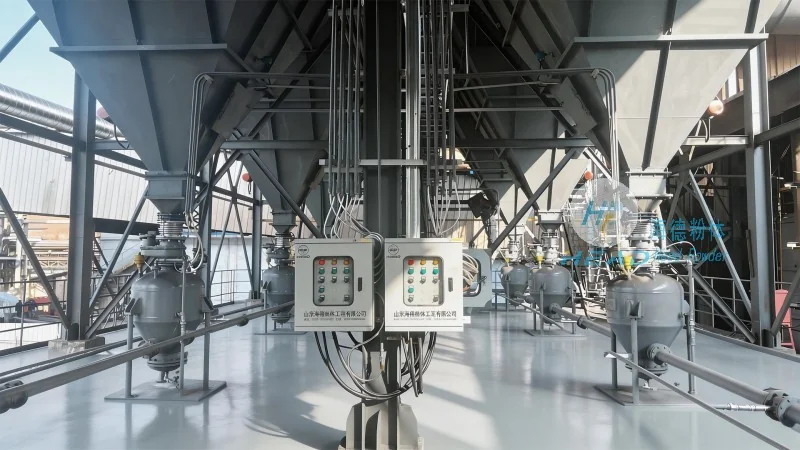
How Pneumatic Conveyors Work in Food Additive Processing
At its core, a pneumatic conveyor for food additives operates by creating a flow of air within a sealed pipe. The material is introduced into the system, either by gravity or a hopper, and is then entrained by the moving air stream. The air and material mixture travels through the pipeline to the destination point, where the material is separated from the air using a separator or cyclone. The separated material is collected in a bin or silo, while the air is either filtered and recirculated or vented to the atmosphere. This process is highly efficient for transporting powders and granules, as it eliminates the need for mechanical components like belts or buckets that could introduce contaminants or damage the product. The enclosed nature of the system also prevents dust and particles from escaping into the environment, maintaining a clean and safe working environment.
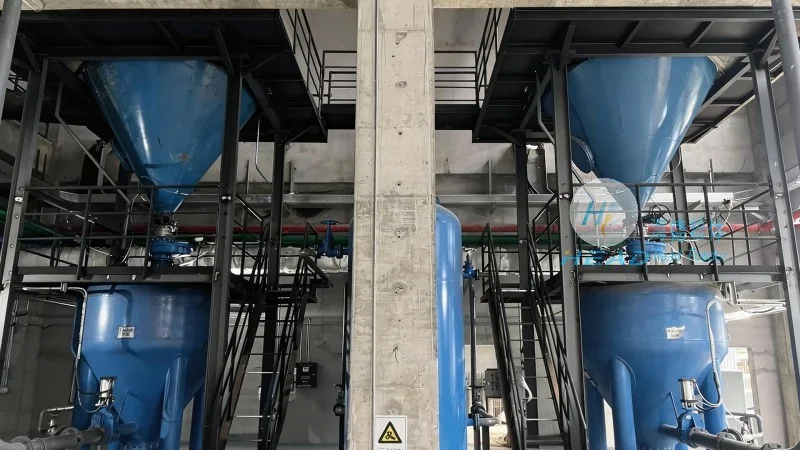
The Role of Shandong HeadPowder Engineering Co., Ltd. in Pneumatic Conveyor Solutions
Shandong HeadPowder Engineering Co., Ltd., based in Shandong, China, specializes in the design, manufacturing, and installation of pneumatic conveying systems for the food additive industry. The company leverages decades of experience to develop customized solutions that meet the specific needs of clients, from small-scale operations to large industrial facilities. Their team of engineers works closely with clients to assess material properties, process requirements, and regulatory constraints to design a system that maximizes efficiency and minimizes downtime. The company's products are known for their durability, reliability, and compliance with international food safety standards. They also provide comprehensive after-sales support, including maintenance, spare parts, and technical assistance, ensuring that clients can operate their systems at peak performance. By focusing on innovation and customer-centric solutions, Shandong HeadPowder Engineering Co., Ltd. has established itself as a trusted partner in the food processing industry, helping businesses streamline their material handling processes and improve overall productivity.