

What is Tailings Powder Pneumatic Conveying Equipment? And What Are Its Design Principles?
Shandong HeadPowder Engineering Co., Ltd., a professional manufacturer based in Shandong, China, specializes in the research, development, and production of pneumatic conveying equipment tailored for industrial applications, particularly the handling of tailings powder. The company's expertise lies in creating efficient and reliable systems that address the unique challenges associated with transporting fine powders like tailings, which are commonly generated in mining and metallurgical processes.
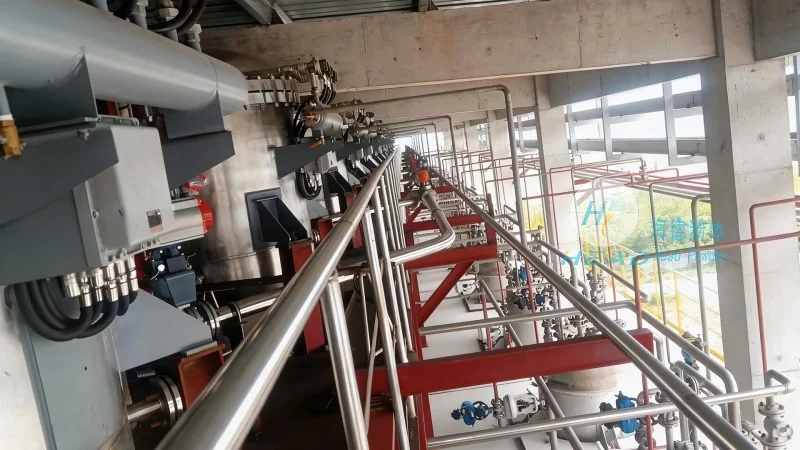
Tailings Powder Pneumatic Conveying Equipment: An Overview
Tailings powder pneumatic conveying equipment is a specialized system designed to transport tailings, a byproduct of mineral processing, from one location to another using air or gas as the primary conveying medium. This technology offers a cost-effective and environmentally friendly alternative to traditional methods such as trucking or belt conveyors, which often face challenges like material spillage, dust pollution, and operational inefficiencies. The equipment is engineered to handle the specific characteristics of tailings, including varying particle sizes, moisture content, and density, ensuring consistent and reliable performance.
The Core Design Principles of Pneumatic Conveying Systems
The design of tailings powder pneumatic conveying equipment is grounded in the fundamental principles of fluid mechanics and material handling. At its essence, the system operates by creating a flow of air or gas within a closed pipeline, which propels the powder particles forward. Two primary types of pneumatic conveying are commonly employed: positive pressure and negative pressure systems. Positive pressure systems utilize compressed air to push the material through the pipeline, making them suitable for long-distance or high-volume applications. In contrast, negative pressure systems use vacuum to draw the material into the pipeline, which is often preferred for shorter distances or when maintaining a clean environment is critical.
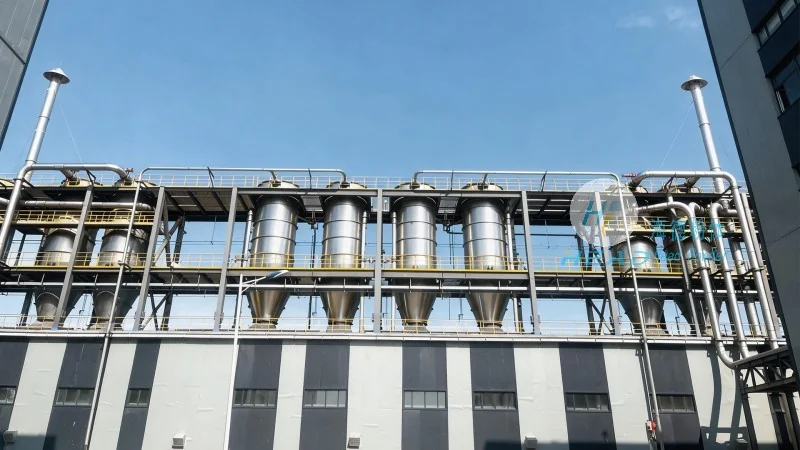
Key components of the equipment include the feeding mechanism, which introduces the tailings into the pipeline; the air supply system, which provides the necessary pressure or vacuum; the conveying pipeline, which transports the material; and the separation system, which separates the air from the powder at the destination. The design of each component is critical to the overall efficiency and effectiveness of the system. For instance, the feeding mechanism must be capable of handling the bulk density and flow characteristics of the tailings without causing blockages or uneven flow. The air supply system must deliver a consistent airflow rate and pressure to maintain stable conveying conditions. The pipeline design, including the selection of materials (such as stainless steel or PVC for corrosion resistance) and the layout of bends, tees, and other fittings, directly impacts the pressure drop and overall energy consumption of the system.
Factors Influencing the Design of Tailings Powder Conveying Equipment
The successful design of tailings powder pneumatic conveying equipment depends on a thorough analysis of several key factors. First, the physical properties of the tailings material must be carefully evaluated. This includes the particle size distribution, moisture content, and bulk density, as these characteristics affect the flowability and aerodynamic behavior of the powder. For example, fine-grained tailings may require higher air velocities to prevent clogging, while coarser materials may be conveyed more efficiently at lower velocities. Second, the required conveying distance and throughput are critical parameters. Longer distances typically demand higher air pressures or larger pipeline diameters to maintain sufficient velocity and prevent material deposition. Higher throughput may necessitate multiple pipelines or larger-diameter pipes to accommodate the volume of material being transported.
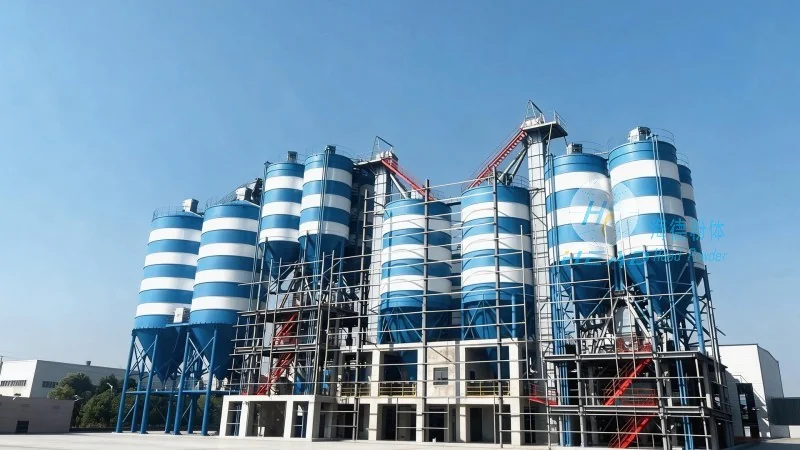
Third, the environmental and safety considerations play a significant role in the design. Pneumatic conveying systems are generally considered more environmentally friendly than other methods because they minimize dust emissions and reduce the risk of material spillage. However, the design must still incorporate measures to control dust, such as incorporating dust collection systems or using sealed pipelines. Additionally, safety features like pressure relief valves, overcurrent protection, and emergency shutdown mechanisms are essential to prevent accidents and ensure the well-being of operators.
Customization and Application in Industrial Settings
Shandong HeadPowder Engineering Co., Ltd. recognizes that each industrial application has unique requirements, and therefore, offers customized solutions for tailings powder pneumatic conveying equipment. The company works closely with clients to understand their specific needs, such as the type of tailings being handled, the distance to be covered, and the desired throughput. Based on this information, engineers design systems that are optimized for performance, reliability, and cost-effectiveness. For instance, a mining operation may require a system that can handle large volumes of tailings over a long distance, while a smaller processing plant might need a more compact and energy-efficient system for shorter distances.
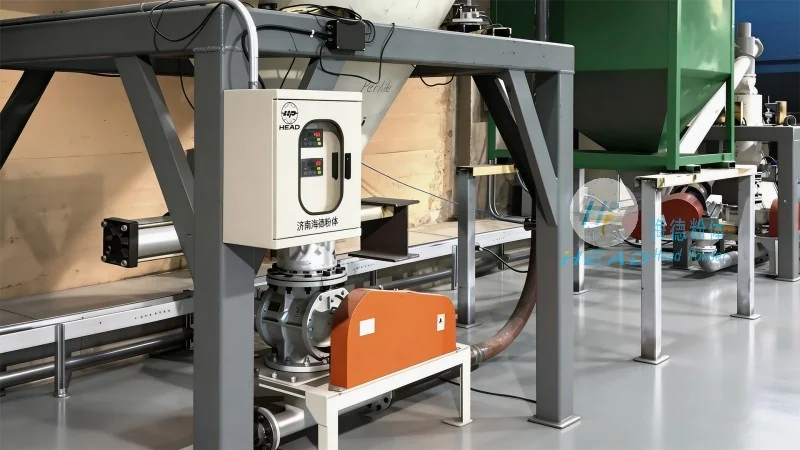
The company's expertise in material handling and pneumatic technology allows them to integrate advanced features into the equipment, such as variable speed drives for adjusting airflow, automated control systems for monitoring and controlling the conveying process, and maintenance-friendly designs that simplify routine checks and repairs. These features enhance the overall operational efficiency and reduce downtime, which are crucial for industrial operations where continuous production is essential.
Conclusion: The Role of Tailings Powder Pneumatic Conveying Equipment
Tailings powder pneumatic conveying equipment, designed and manufactured by Shandong HeadPowder Engineering Co., Ltd., represents a sophisticated solution for the efficient and environmentally responsible handling of tailings in industrial settings. By leveraging the principles of pneumatic conveying, the equipment ensures that tailings can be transported safely and effectively, reducing the environmental impact of mining and processing operations while improving overall operational efficiency. As industries continue to seek sustainable and efficient solutions for material handling, the role of such equipment becomes increasingly vital in maintaining productivity and compliance with environmental regulations.