

What is Sorghum Powder Pneumatic Conveying Equipment? And What Are Its Design Principles?
When it comes to handling sorghum powder in industrial settings, the choice of equipment plays a crucial role in ensuring efficiency, safety, and cost-effectiveness. Among the various solutions available, the sorghum powder pneumatic conveying equipment stands out as a reliable and efficient method for transporting fine powders like sorghum. This equipment is designed to move dry, non-abrasive, or moderately abrasive powders through a pipeline using a gas stream, typically air or other gases. Understanding what this equipment is and its underlying design principles is essential for industries that rely on the consistent and safe transfer of sorghum powder.
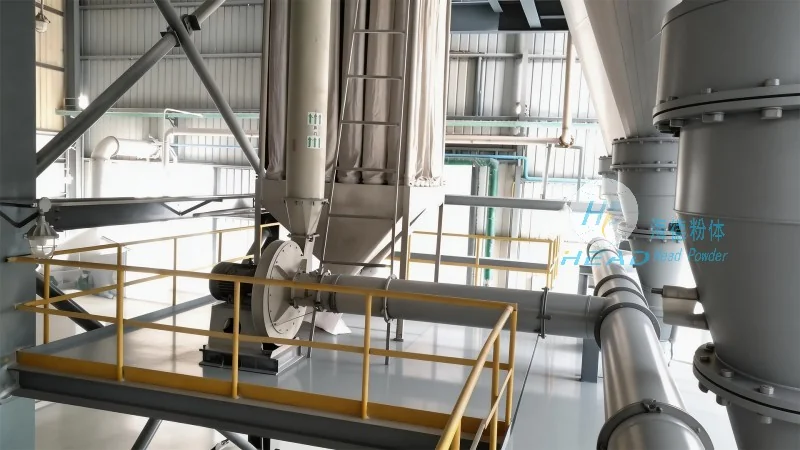
Introduction to Sorghum Powder Pneumatic Conveying Equipment
Sorghum powder, derived from the sorghum grain, is widely used in food processing, animal feed production, and other industrial applications. The efficient and reliable transport of this powder is critical to maintaining production flow and product quality. The sorghum powder pneumatic conveying equipment, manufactured by Shandong HeadPowder Engineering Co., Ltd., is engineered to address these needs. This equipment is a specialized system that utilizes pneumatic technology to move sorghum powder from one location to another, often over long distances or within complex processing facilities.
Company Overview: HeadPowder
HeadPowder, or Shandong HeadPowder Engineering Co., Ltd., is a leading manufacturer in the field of powder handling equipment. With its headquarters in Shandong, China, the company specializes in designing, manufacturing, and supplying advanced pneumatic conveying systems tailored to the unique requirements of different industries. HeadPowder's commitment to quality, innovation, and customer satisfaction has established it as a trusted partner for businesses seeking reliable solutions for powder transport. The company's expertise in material handling technology ensures that their products, including the sorghum powder pneumatic conveying equipment, meet the highest standards of performance and durability.
The Design Principles of Pneumatic Conveying Systems
The core design principle of pneumatic conveying equipment is to create a flow of air or gas that can transport the powder particles through a pipeline. This is achieved through a combination of pressure or vacuum systems, depending on the specific application. For sorghum powder, which is typically fine and lightweight, a pressure system is commonly used. The equipment consists of several key components, including a hopper for material storage, a feeder to control the flow rate, a pipeline network, and a receiver or discharge unit. The design of each component is critical to the overall efficiency and effectiveness of the system.
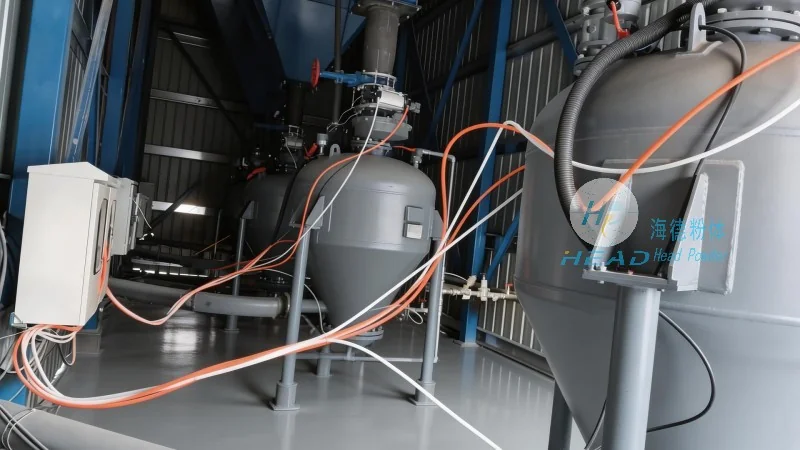
First, the hopper serves as the storage container for the sorghum powder. It is designed to hold a sufficient quantity of material and to provide a consistent feed to the feeder. The hopper may include features such as a discharge valve or a rotary valve to regulate the flow of powder. The feeder, often a screw or rotary valve, is responsible for controlling the amount of powder that enters the pipeline. This control is essential to prevent overloading the system and to maintain a stable flow rate. The pipeline itself is typically made of materials like stainless steel or plastic, chosen for their resistance to corrosion and wear from the powder particles.
The air or gas source, usually a blower or compressor, provides the necessary pressure to move the powder through the pipeline. The design of the blower or compressor is optimized to deliver the required air volume and pressure at a consistent rate. The pipeline network may include bends, elbows, and other fittings that are designed to minimize pressure loss and ensure smooth flow. The receiver or discharge unit is where the sorghum powder is collected after being conveyed through the pipeline. This unit may include a filter or separator to remove any entrained air or fine particles from the powder.
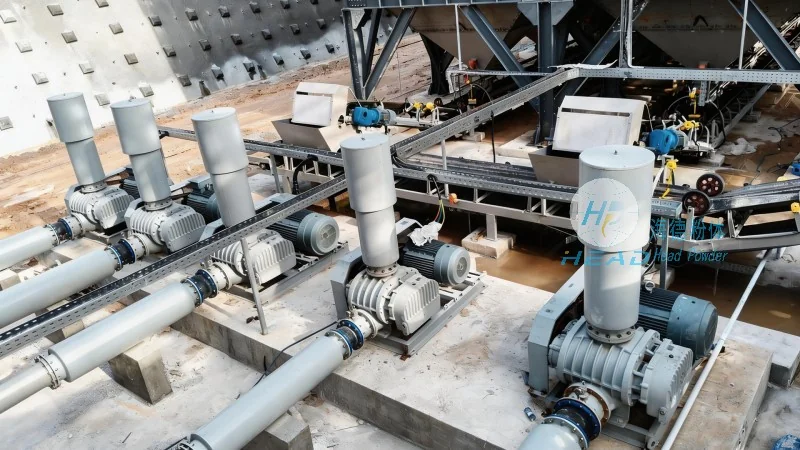
Advantages of Sorghum Powder Pneumatic Conveying Equipment
Compared to traditional methods like belt conveyors or bucket elevators, the sorghum powder pneumatic conveying equipment offers several advantages. One of the key benefits is the ability to transport the powder in a closed system, which helps to prevent contamination from external sources and to maintain the quality of the sorghum powder. This is particularly important in food processing applications where hygiene and product purity are paramount. Additionally, the equipment is relatively compact and can be installed in tight spaces, making it suitable for facilities with limited floor space.
The pneumatic conveying system also offers high efficiency in terms of material transport. By using a gas stream to move the powder, the system can achieve high flow rates and long transport distances without the need for complex machinery or extensive infrastructure. This reduces the overall cost of material handling and increases the productivity of the production line. Furthermore, the system is easy to maintain and operate, with minimal moving parts that require regular maintenance. The design of the equipment also allows for easy integration with other processing equipment, such as mixers or classifiers, to form a complete production line.
Applications and Industrial Use Cases
The sorghum powder pneumatic conveying equipment is widely used in various industries that process sorghum powder. In the food industry, it is used to transport sorghum flour or meal from storage silos to processing lines, such as milling or mixing operations. The equipment ensures that the powder is moved in a hygienic and controlled manner, maintaining the quality of the final product. In the animal feed industry, the equipment is used to transport sorghum-based feed ingredients to feed mills or mixing facilities. The consistent flow of powder helps to ensure that the feed is mixed uniformly, improving the nutritional value and quality of the feed. Additionally, the equipment is used in the chemical and pharmaceutical industries for transporting sorghum-derived powders, where precision and cleanliness are critical.