

What is a Magnesium Sulfate Material Handling System? What Are Its Design Principles?
For industrial operations dealing with magnesium sulfate, an efficient material handling system is crucial to ensure smooth production processes and maintain product quality. This article explores the concept of a magnesium sulfate material handling system and delves into the key design principles that underpin its functionality. We will also highlight the expertise of Shandong HeadPowder Engineering Co., Ltd., a leading provider in this field, based in Shandong, China.
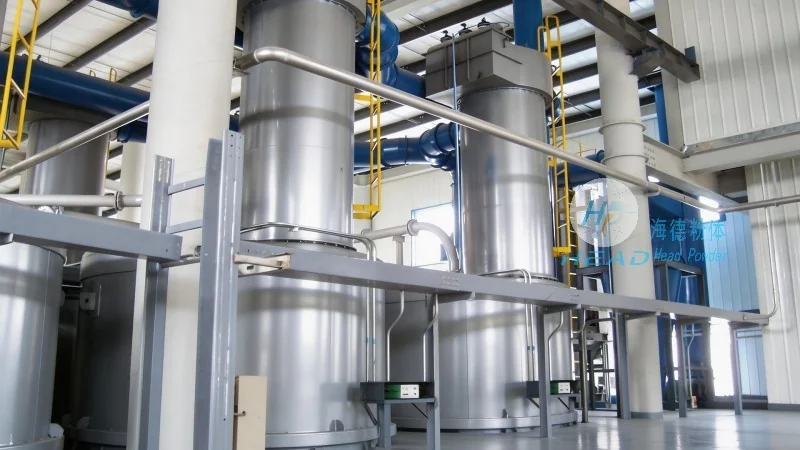
Understanding the Magnesium Sulfate Material Handling System
A magnesium sulfate material handling system is a comprehensive setup designed to manage the entire lifecycle of magnesium sulfate, from storage and loading to transportation and unloading. This system integrates various components such as storage silos, conveyor systems, feeding mechanisms, and control panels to ensure the safe and efficient movement of the material. The primary goal is to optimize workflow, minimize downtime, and enhance operational safety in industrial settings where magnesium sulfate is processed or used.
Key Design Principles for Effective Material Handling
The design of a magnesium sulfate material handling system is guided by several critical principles that ensure its reliability and efficiency. First, the system must prioritize material flow optimization, ensuring that the material moves from one stage to the next with minimal friction and energy loss. This involves careful planning of the layout, including the placement of storage silos, conveyor routes, and processing equipment to create a logical and streamlined workflow.
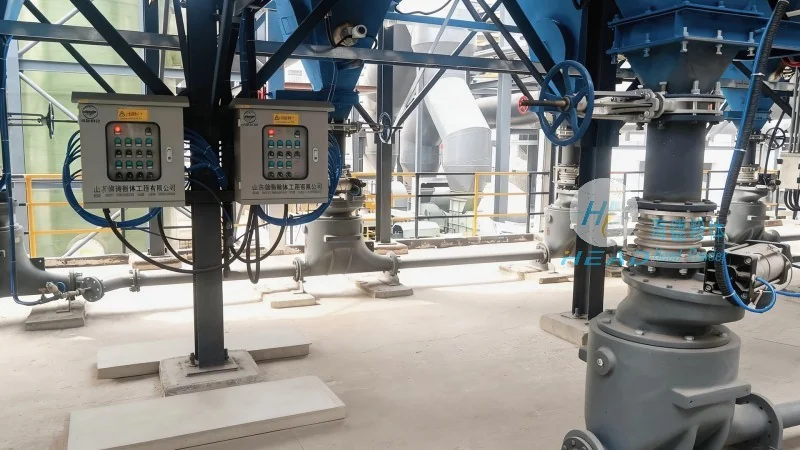
Second, safety is a paramount consideration in the design. Magnesium sulfate, like many bulk materials, can pose risks during handling, such as dust generation, slip hazards, or mechanical failures. Therefore, the system incorporates safety features like dust suppression systems, proper grounding to prevent static buildup, and robust structural designs to withstand the material's weight and handling stresses. Additionally, the system must comply with relevant industrial safety regulations and standards to protect both personnel and equipment.
Component Integration and System Efficiency
The effectiveness of a magnesium sulfate material handling system relies heavily on the integration of its components. Key elements include bulk storage silos, which are typically made of corrosion-resistant materials like stainless steel or lined steel to accommodate the chemical properties of magnesium sulfate. These silos are equipped with level sensors and pressure relief valves to monitor and control the material level and pressure within the system.
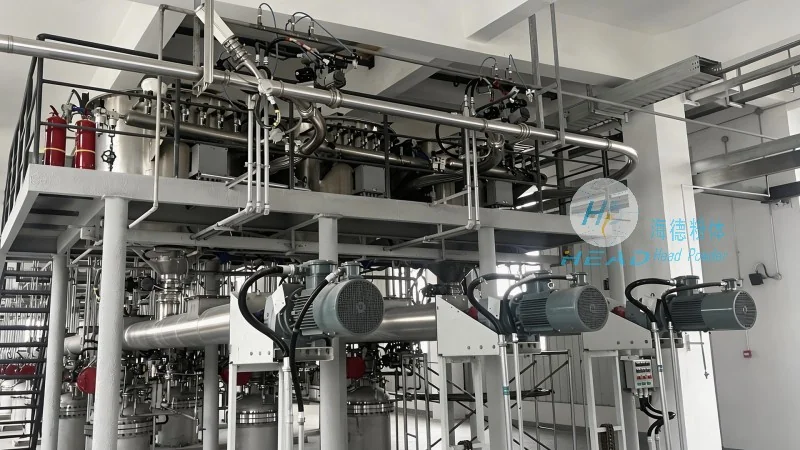
Conveyor systems, such as belt conveyors or screw conveyors, are commonly used to transport magnesium sulfate from storage to processing or packaging areas. The choice of conveyor type depends on factors like the material's bulk density, flow characteristics, and the required throughput. For example, belt conveyors are ideal for handling dry, free-flowing magnesium sulfate, while screw conveyors may be more suitable for materials with higher moisture content or a tendency to clump. The system also includes feeding mechanisms, such as rotary valves or gate valves, to regulate the flow of material from the silo to the conveyor, ensuring consistent and controlled discharge.
Control and Automation in Modern Systems
Modern magnesium sulfate material handling systems often incorporate advanced control and automation technologies to enhance operational efficiency and reduce human intervention. These systems use programmable logic controllers (PLCs) and sensors to monitor key parameters like material level, flow rate, and temperature. The control panel allows operators to adjust settings remotely, ensuring precise control over the material handling process. Automation also helps in reducing operational errors, minimizing waste, and improving overall system reliability. For instance, automated shut-off valves can prevent overfilling of silos, while alarm systems can alert operators to any abnormal conditions, such as excessive dust or pressure buildup.
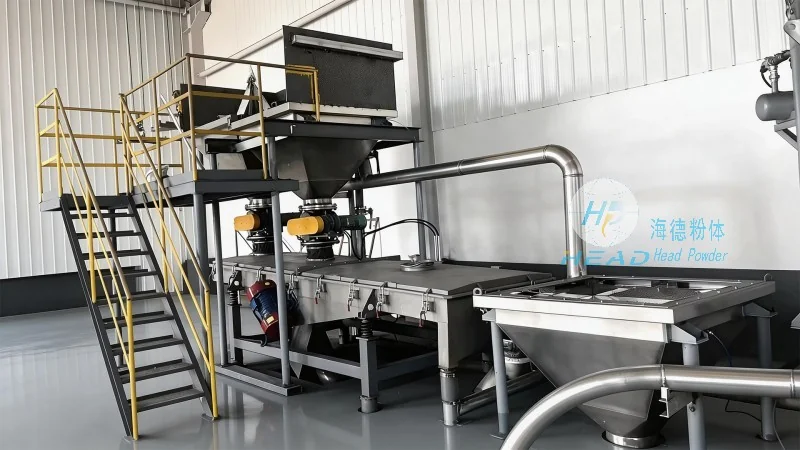
Case Study: Shandong HeadPowder Engineering Co., Ltd.
Shandong HeadPowder Engineering Co., Ltd., based in Shandong, China, is a reputable company specializing in the design and implementation of material handling systems for various industrial applications, including magnesium sulfate processing. The company leverages years of experience and technical expertise to develop customized solutions that meet the specific needs of clients. Their approach involves thorough site assessments, material analysis, and collaboration with clients to understand operational requirements and challenges. By integrating state-of-the-art technology and adherence to industry best practices, HeadPowder ensures that their systems are not only efficient but also safe and cost-effective.
Conclusion
In conclusion, a magnesium sulfate material handling system is a sophisticated and essential component of industrial operations dealing with this chemical. The design principles, including material flow optimization, safety considerations, component integration, and automation, are critical to achieving high performance and reliability. Companies like Shandong HeadPowder Engineering Co., Ltd. play a vital role in providing tailored solutions that enhance operational efficiency and ensure compliance with safety standards. As industries continue to evolve, the importance of well-designed material handling systems will only grow, making them indispensable for the sustainable and safe processing of magnesium sulfate.