

What is a Quantitative Feeding Material Handling System? What Are Its Design Principles?
Quantitative feeding material handling systems are specialized equipment designed to deliver precise and controlled amounts of bulk materials, such as powders, granules, or granular substances, in industrial processes. These systems play a crucial role in ensuring consistent material flow, maintaining process efficiency, and meeting strict quality control standards across various industries, including pharmaceuticals, food processing, chemical manufacturing, and more.
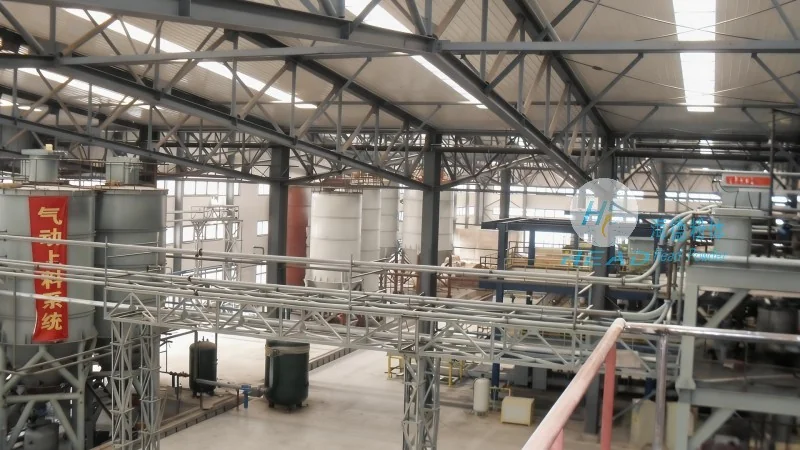
HeadPowder, a leading provider of engineering solutions, specializes in the design, manufacturing, and integration of advanced material handling systems. With a strong presence in Shandong, China, HeadPowder Engineering Co., Ltd. leverages decades of industry expertise to deliver tailored solutions that address the unique challenges of material feeding and processing for clients worldwide.
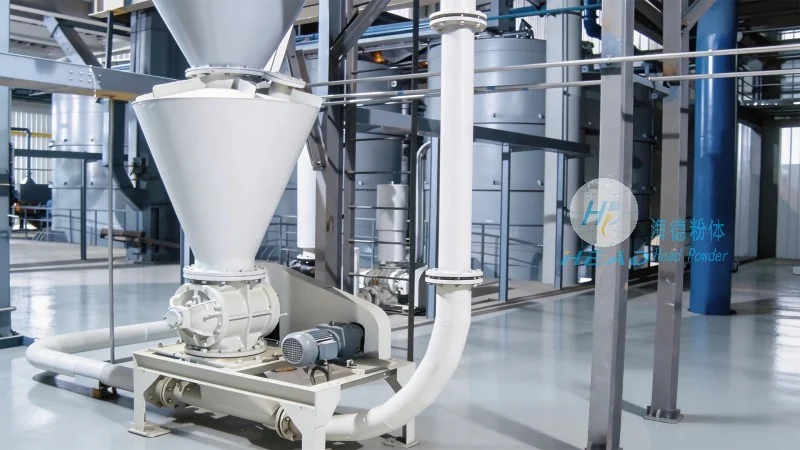
Design Principles of Quantitative Feeding Systems
The core design principles of quantitative feeding material handling systems revolve around precision, reliability, and adaptability. These systems are engineered to achieve accurate material measurement and delivery through a combination of mechanical, electronic, and control technologies. Key design elements typically include:
- Feeding Mechanisms: Various mechanisms like screw feeders, vibratory feeders, and belt feeders are employed to move materials from storage to processing areas. Each mechanism is selected based on the material's properties—such as flowability, density, and moisture content—to ensure optimal performance.
- Measurement and Control: Advanced sensors and control systems are integrated to monitor and regulate the feeding rate. This may involve load cells, flow meters, or level sensors that provide real-time data on material volume, enabling precise adjustments to maintain the desired output.
- Material Handling Components: Components like hoppers, chutes, and conveyors are designed to minimize material degradation and ensure smooth transfer. The system's layout is optimized to reduce friction, prevent blockages, and maintain material integrity throughout the process.
Applications and Benefits
Quantitative feeding systems are widely used in industries where material consistency is critical. For example, in pharmaceutical manufacturing, these systems ensure accurate dosing of active ingredients, while in food processing, they maintain uniform ingredient ratios for product quality. The benefits of using such systems include improved process efficiency, reduced material waste, enhanced safety, and compliance with regulatory standards.
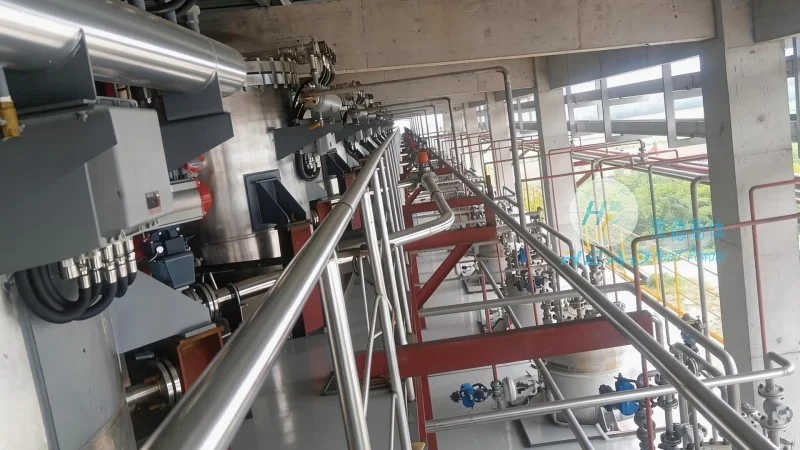
HeadPowder Engineering Co., Ltd., based in Shandong, China, offers comprehensive solutions that align with these design principles. The company's team of engineers and technicians works closely with clients to understand their specific material handling needs, providing customized systems that meet both operational and regulatory requirements.