

What is a Positive Pressure Pneumatic Conveying System? And What Are Its Design Principles?
Positive pressure pneumatic conveying systems are a critical component in modern material handling and processing industries. These systems utilize compressed air or other gases to transport bulk materials from one location to another, offering a flexible and efficient solution for various applications. Understanding the core concepts and design principles behind such systems is essential for engineers and industry professionals seeking to optimize material transport processes.
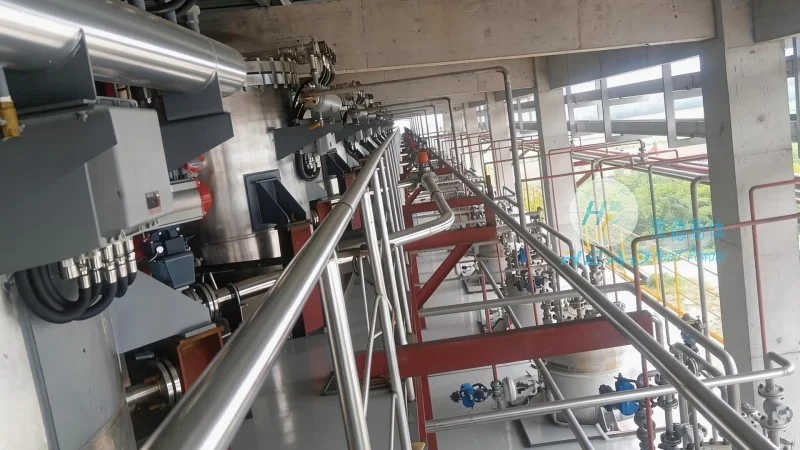
Key Components of a Positive Pressure Pneumatic Conveying System
A typical positive pressure system consists of several key components that work in tandem to ensure effective material transport. The primary elements include a material feed hopper, a conveying line (often equipped with in-line mixers or cyclones), a positive pressure blower or compressor, and a discharge outlet. The feed hopper is responsible for storing and feeding the bulk material into the system, while the conveying line transports the material under pressure. The positive pressure blower generates the necessary airflow to move the material through the system, and the discharge outlet delivers the material to its final destination. In some designs, additional components like in-line mixers or cyclones may be incorporated to enhance material flow and prevent clogging.
Design Principles and Operational Mechanics
The design of a positive pressure pneumatic conveying system is guided by several fundamental principles aimed at maximizing efficiency, reliability, and material handling capabilities. One of the primary design considerations is the selection of the appropriate conveying line material and diameter, which directly impacts the system's capacity and pressure requirements. The line diameter must be sufficient to accommodate the material's particle size and flow characteristics, while the material of construction (e.g., stainless steel, PVC, or polyethylene) must resist corrosion and wear from the conveyed material. Additionally, the system's pressure rating is a critical factor, as it determines the maximum distance and height the material can be transported. Engineers typically calculate the required pressure based on the material's density, particle size distribution, and the system's layout, ensuring that the blower or compressor can deliver the necessary airflow at the specified pressure.
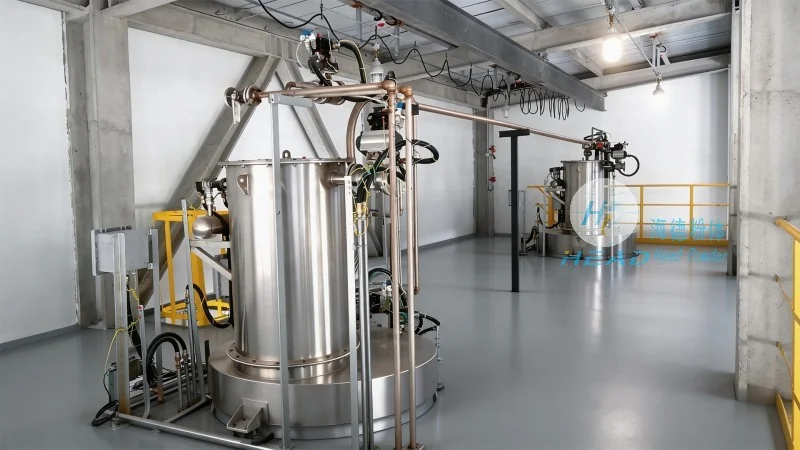
Advantages of Positive Pressure Systems
Compared to other material handling methods, positive pressure pneumatic conveying systems offer several distinct advantages that make them a preferred choice for many industries. One of the most significant benefits is their ability to transport materials over long distances and at high elevations without the need for multiple transfer points or intermediate storage. This reduces the overall system complexity and operational costs. Additionally, positive pressure systems are highly flexible, allowing for easy integration with existing processing equipment and the ability to handle a wide range of materials, including powders, granules, and even bulk solids. The enclosed conveying process also minimizes dust emissions and improves workplace safety, making these systems suitable for applications where environmental and health regulations are a priority. Furthermore, the system's ability to handle abrasive or corrosive materials without significant wear or degradation makes it a durable and long-lasting solution for demanding industrial environments.
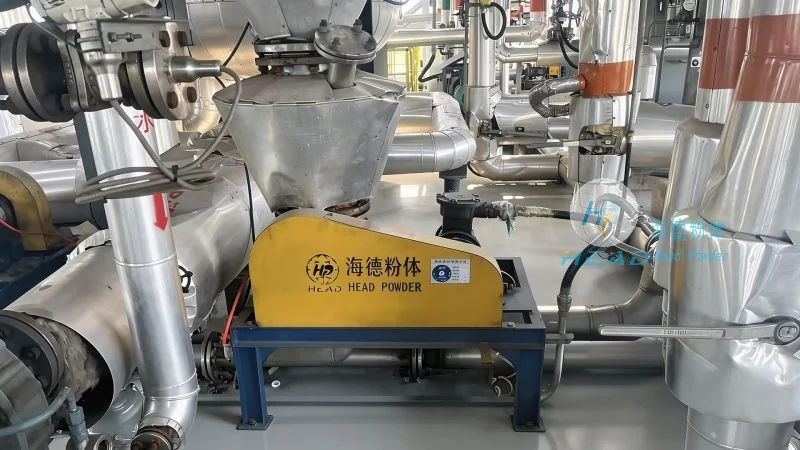
Applications and Industry Use Cases
Positive pressure pneumatic conveying systems are widely used across various industries, including pharmaceuticals, food and beverage, chemical processing, and manufacturing. In the pharmaceutical industry, these systems are employed to transport active pharmaceutical ingredients (APIs) and other sensitive materials, ensuring a clean and contamination-free process. The food and beverage sector utilizes positive pressure systems to handle powders like flour, sugar, and spices, maintaining product quality and preventing cross-contamination. Chemical processing facilities rely on these systems to transport bulk chemicals, such as powders and granules, while adhering to strict safety and environmental standards. Manufacturing industries, particularly in the production of plastics, ceramics, and metals, also benefit from the efficient material transport capabilities of positive pressure systems, enabling streamlined production lines and reduced downtime.
Considerations for System Selection and Implementation
When selecting a positive pressure pneumatic conveying system, several factors must be carefully evaluated to ensure optimal performance and cost-effectiveness. The first consideration is the material to be conveyed, as different materials have varying flow characteristics and may require specific system designs. For example, cohesive or sticky materials may need additional equipment like in-line mixers or vibrators to prevent clogging. The system's capacity and required transport distance are also critical, as these parameters directly influence the blower size and line diameter. Additionally, the system's location and environmental conditions must be considered, as factors like temperature, humidity, and exposure to chemicals can impact the choice of materials for the conveying line and components. Proper maintenance and operational guidelines are essential to ensure the system's longevity and reliability. Regular cleaning, inspection of components, and adherence to manufacturer recommendations help prevent issues such as blockages, pressure loss, or equipment failure. By carefully evaluating these factors and working with experienced engineers, industries can select and implement a positive pressure pneumatic conveying system that meets their specific material handling needs.