

What is Wet Ammonium Nitrate Material Handling? What are the Design Principles?
Wet ammonium nitrate (WAN) is a critical material in the fertilizer industry, often requiring specialized handling systems due to its unique properties. Material handling for wet ammonium nitrate involves the transportation, storage, and processing of this material, which can be challenging due to its moisture content and potential reactivity. This article explores the key aspects of wet ammonium nitrate material handling, focusing on the design principles that ensure safe and efficient operations.
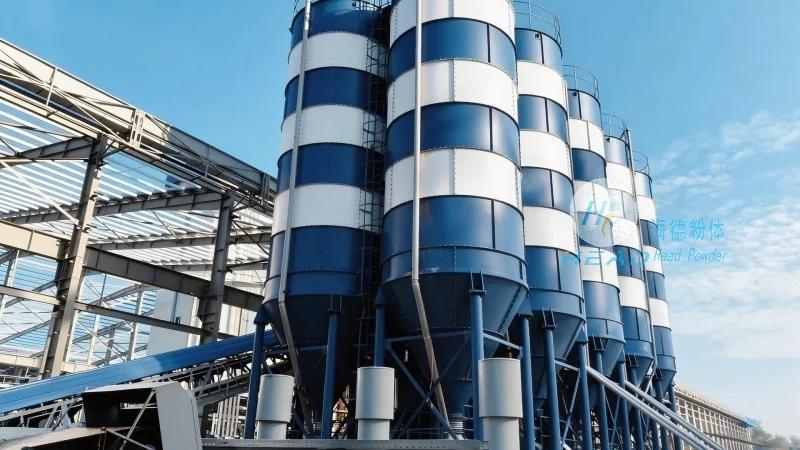
Key Challenges in Wet Ammonium Nitrate Handling
Handling wet ammonium nitrate presents several challenges that must be addressed in the design of material handling systems. The primary concerns include moisture management, material flow control, and equipment durability. Wet ammonium nitrate can be more prone to caking or agglomeration compared to dry forms, which affects its flowability and can lead to blockages in conveyor systems or storage silos. Additionally, the material's chemical properties require equipment that can withstand potential corrosion or reaction with moisture, necessitating materials like stainless steel or specialized coatings. Proper moisture control is also crucial to prevent excessive water content from affecting the material's performance or causing safety hazards such as increased dust generation or reduced stability.
Design Principles for Wet Ammonium Nitrate Material Handling Systems
The design of wet ammonium nitrate material handling systems follows several core principles to ensure optimal performance and safety. First, the system must maintain consistent moisture levels to prevent caking and ensure uniform flow. This often involves the use of moisture control mechanisms, such as inline moisture sensors or adjustable spray systems, to regulate the material's humidity. Second, equipment selection is critical; components like conveyors, silos, and feeders must be designed to handle wet, abrasive materials without excessive wear. For example, screw conveyors or pneumatic systems may be preferred over traditional belt conveyors to minimize material degradation and ensure smooth transport. Third, the system must incorporate proper drainage and cleaning provisions to prevent material buildup and maintain hygiene standards. This includes features like sloped surfaces, self-cleaning mechanisms, and easy-to-access maintenance points. Finally, safety considerations are paramount, with designs incorporating explosion-proof components, temperature monitoring, and emergency shutdown systems to mitigate risks associated with wet ammonium nitrate handling.
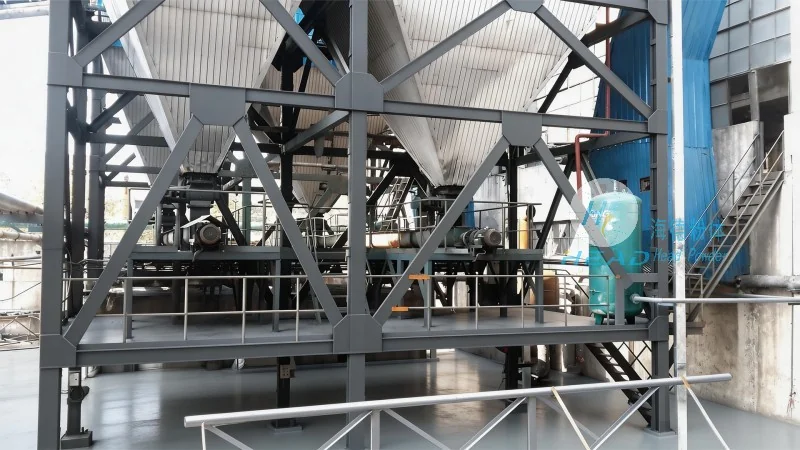
Components of a Typical Wet Ammonium Nitrate Handling System
A typical wet ammonium nitrate material handling system consists of several interconnected components, each playing a vital role in the overall operation. The system usually starts with a receiving and storage area, where the wet ammonium nitrate is initially stored in a silo or hopper. This storage unit is designed with sloped walls and internal agitators to prevent caking and ensure uniform material release. From the storage silo, the material is transferred to a conveyor system, which may include screw conveyors or pneumatic transport lines, to move the material to processing or packaging areas. The conveyor system is equipped with moisture sensors and flow control valves to regulate the material's movement and prevent overloading. At the processing stage, the material may undergo further mixing or granulation, with equipment like mixers or granulators ensuring consistent product quality. Finally, the processed wet ammonium nitrate is transferred to packaging or shipping containers, with final moisture checks and quality control measures in place before dispatch.
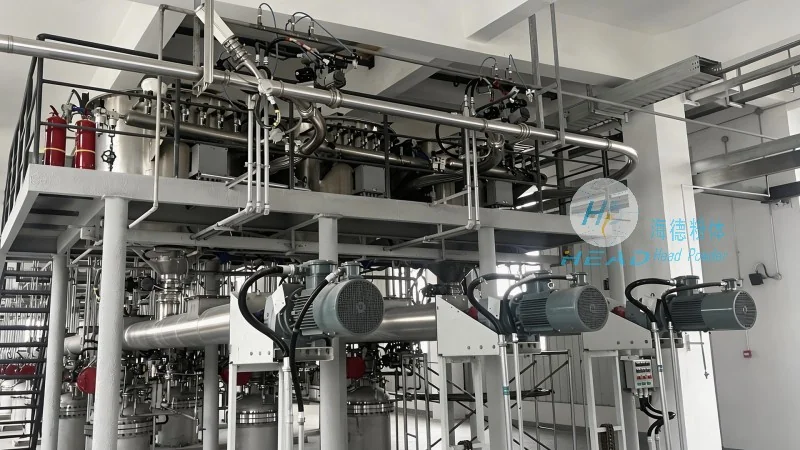
Role of Material Handling Equipment in Wet Ammonium Nitrate Processing
Specialized material handling equipment is essential for the efficient and safe processing of wet ammonium nitrate. Conveyors, such as screw or chain conveyors, are commonly used due to their ability to handle wet, abrasive materials without causing degradation. These systems are often equipped with variable speed drives to adjust flow rates based on material conditions. Pneumatic conveying systems are another option, particularly for longer transport distances or when the material needs to be moved through vertical or horizontal paths. These systems use air pressure to transport the material, reducing the risk of material blockages and ensuring consistent flow. Silos and hoppers are also critical components, designed with smooth, non-stick surfaces to prevent caking and facilitate material discharge. The design of these storage vessels includes features like internal baffles or agitators to maintain material flow and prevent segregation. Additionally, feeders, such as rotary or vibratory feeders, are used to control the rate of material discharge from silos, ensuring a steady and controlled flow to downstream equipment. Proper maintenance of these components is essential to prevent wear and tear, which can affect the system's performance and lifespan.
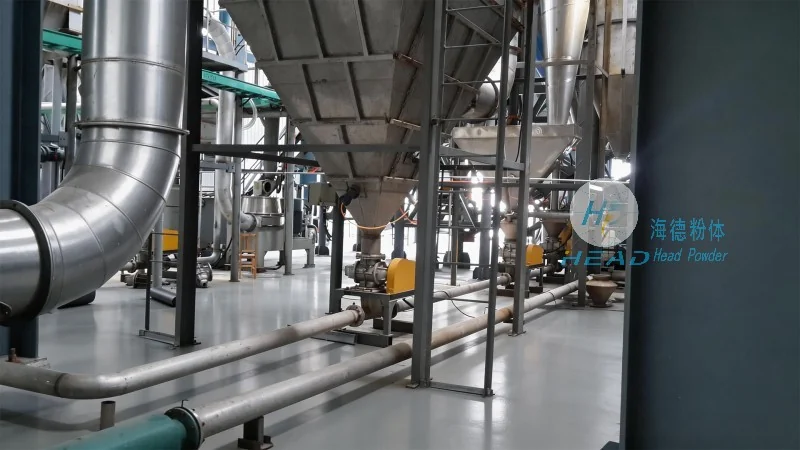
Ensuring Safety and Compliance in Wet Ammonium Nitrate Handling
Safety is a top priority in wet ammonium nitrate material handling, given the material's potential hazards. The design of the system must comply with industry standards and regulations, such as those from the American Society of Mechanical Engineers (ASME) or the International Organization for Standardization (ISO). Key safety features include explosion-proof electrical components, temperature and pressure monitoring systems, and emergency shutdown procedures. The system may also incorporate fire suppression systems or dust collection equipment to mitigate risks associated with dust generation or potential fires. Regular maintenance and inspections are critical to ensure that all components are functioning correctly and that safety measures are in place. Training for operators on proper handling procedures and emergency response is also essential to minimize risks and ensure compliance with safety regulations.
About Shandong HeadPowder Engineering Co., Ltd.
Shandong HeadPowder Engineering Co., Ltd. is a leading provider of specialized material handling solutions for the fertilizer industry, including systems for wet ammonium nitrate processing. With years of experience in designing and manufacturing equipment for challenging materials, the company specializes in creating customized solutions that meet the unique needs of its clients. HeadPowder's expertise lies in understanding the properties of materials like wet ammonium nitrate and designing systems that ensure safe, efficient, and reliable operation. The company's team of engineers and technicians work closely with clients to develop tailored solutions, from initial design and engineering to installation and maintenance. HeadPowder is committed to providing high-quality, durable equipment that enhances productivity and safety in material handling operations. With a focus on innovation and customer satisfaction, HeadPowder is a trusted partner for businesses in the fertilizer industry seeking reliable material handling solutions.