

What is a Centralized Material Feeding and Conveying System? What are its Design Principles?
Centralized material feeding and conveying systems represent a sophisticated approach to managing material flow in industrial and manufacturing environments. These systems are designed to efficiently transport raw materials, components, or finished products from a central storage or feeding point to various processing stations or workstations. The primary goal is to enhance operational efficiency, reduce manual handling, and streamline production workflows. By centralizing the material supply, businesses can achieve better control over inventory, minimize downtime, and improve overall productivity.
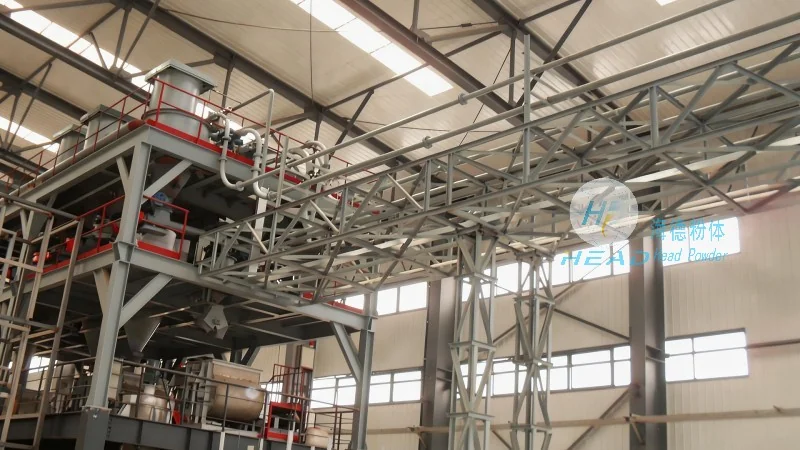
Key Components of a Centralized Material Feeding System
The effectiveness of a centralized material feeding and conveying system relies on several critical components that work in harmony to ensure smooth material movement. These components typically include:
- Material Hoppers or Bins: These are storage containers that hold raw materials or components. They are designed to feed materials into the system at a controlled rate, preventing overloading or underfeeding of downstream equipment.
- Feeding Mechanisms: This includes devices such as vibratory feeders, screw conveyors, or belt feeders that transfer materials from the hoppers to the conveyor system. The choice of feeding mechanism depends on the material properties, such as size, shape, and flowability.
- Conveying Equipment: The core of the system, conveying equipment like belt conveyors, chain conveyors, or pneumatic conveyors transport materials from the feeding point to the processing areas. The type of conveyor selected is based on factors like material weight, size, and the required speed of transport.
- Control Systems: Advanced control systems, often integrated with sensors and automation technology, monitor and regulate the entire feeding and conveying process. These systems ensure that material flow is consistent, detect any blockages or malfunctions, and adjust the feeding rate as needed to maintain optimal production.
Design Principles for Efficient Material Handling
The design of a centralized material feeding and conveying system follows several key principles to ensure it meets the specific needs of an industrial operation. These principles focus on optimizing material flow, minimizing energy consumption, and enhancing system reliability.
First, the system must be designed to accommodate the specific characteristics of the materials being handled. This includes considering factors such as particle size, density, and flowability. For example, cohesive or sticky materials may require special feeding mechanisms like rotary valves or air knives to prevent material buildup and ensure smooth transfer.
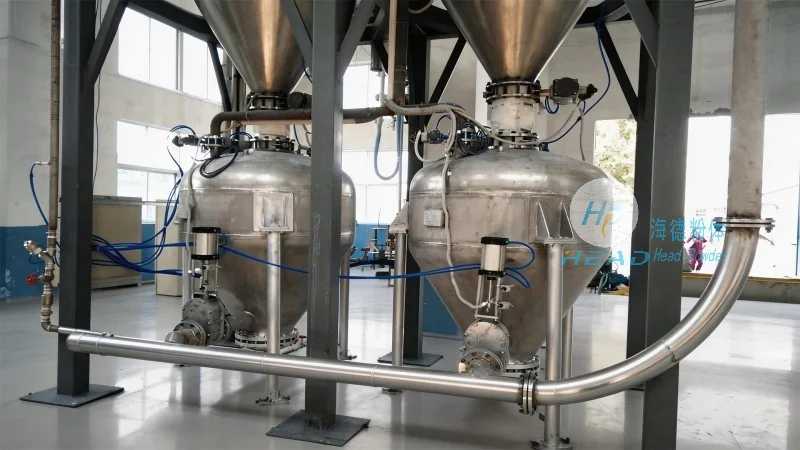
Second, the layout of the system is crucial for minimizing material handling distances and reducing the risk of bottlenecks. The design should follow the principle of "least distance" and "least effort," ensuring that materials move from the storage point to the processing stations in the most direct and efficient path possible.
Third, the system should incorporate redundancy and safety features to prevent downtime and ensure worker safety. This may include backup power supplies, emergency stop buttons, and sensors that detect obstructions or overloads. Additionally, the design should allow for easy maintenance and cleaning, as material buildup can affect system performance over time.
Fourth, energy efficiency is a critical design consideration. Modern systems often incorporate energy-saving features such as variable speed drives, which adjust the conveyor speed based on the actual material load, reducing energy consumption during periods of low demand.
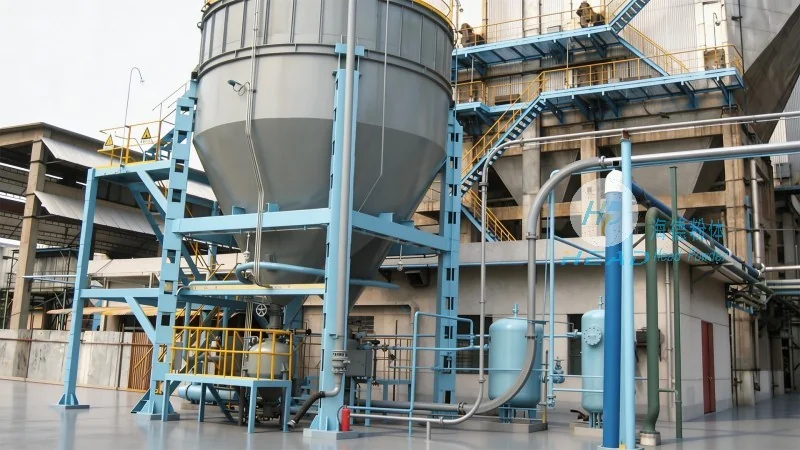
Benefits of Implementing a Centralized Material Feeding System
Adopting a centralized material feeding and conveying system offers numerous benefits for businesses across various industries. These benefits contribute to improved operational performance and cost savings.
One of the primary advantages is increased efficiency and productivity. By automating material handling, businesses can reduce the time and labor required for manual loading and unloading, allowing workers to focus on more value-added tasks. This leads to faster production cycles and higher output.
Another significant benefit is improved material control and inventory management. Centralized systems provide better visibility into material levels, enabling businesses to track inventory in real-time and reduce the risk of stockouts or overstocking. This leads to better supply chain management and reduced storage costs.
Furthermore, centralized systems enhance safety in the workplace. By minimizing manual handling of heavy or hazardous materials, the risk of workplace injuries is significantly reduced. The automated nature of the system also reduces the likelihood of human error, which can lead to production errors or accidents.
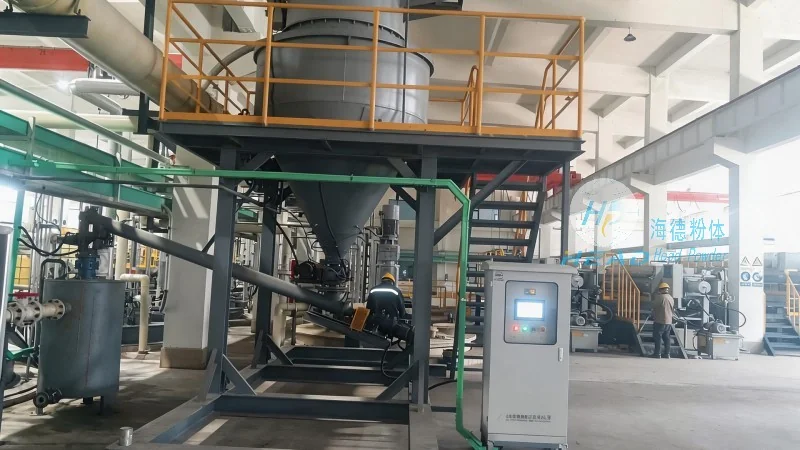
Cost savings are another key benefit. While the initial investment in a centralized material feeding system may be higher than traditional methods, the long-term savings from reduced labor costs, lower material waste, and increased productivity often outweigh the initial expense. Additionally, the system's reliability and reduced downtime contribute to overall cost savings.
Conclusion: The Role of Centralized Material Feeding Systems in Modern Manufacturing
Centralized material feeding and conveying systems play a vital role in modern manufacturing and industrial operations. By integrating advanced technology and thoughtful design, these systems provide a reliable and efficient solution for managing material flow. As businesses continue to seek ways to improve productivity and reduce costs, the adoption of centralized material feeding systems remains a strategic investment.
For companies looking to enhance their material handling processes, partnering with a reputable engineering firm like Shandong HeadPowder Engineering Co., Ltd. can provide the expertise and solutions needed to implement an effective centralized system. With a focus on tailored designs and robust components, Shandong HeadPowder Engineering Co., Ltd. helps businesses achieve their operational goals while ensuring long-term reliability and performance.