

What Are Waste Powder Conveying System Devices? And What Are Their Design Principles?
Waste management is a critical component of environmental sustainability, and the efficient handling of solid waste materials often depends on specialized equipment designed to transport and process powders and granules. Among these, waste powder conveying systems are pivotal in ensuring the smooth operation of waste processing facilities. This article explores the nature of waste powder conveying system devices and delves into the underlying design principles that govern their functionality.
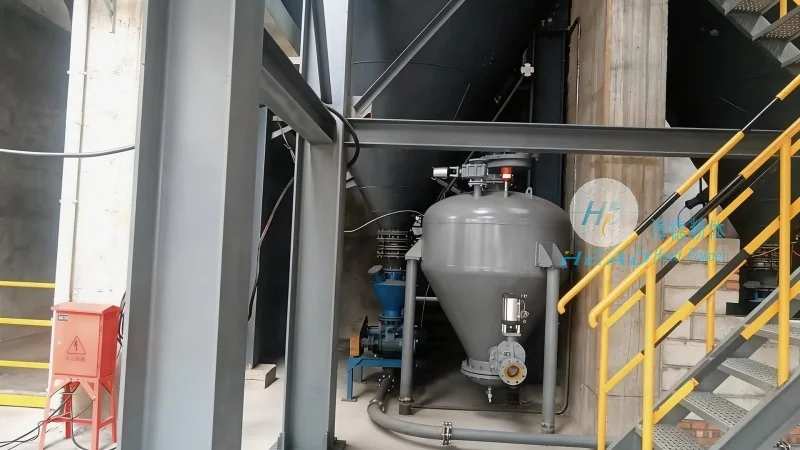
Understanding Waste Powder Conveying System Equipment
Waste powder conveying systems are engineered to transport various types of waste powders, such as municipal solid waste, industrial byproducts, or organic residues, from one location to another within a waste management facility. These systems are essential for maintaining operational efficiency, reducing labor costs, and minimizing the environmental impact of waste handling processes. The equipment typically consists of components like hoppers, feeders, conveyors, and control systems, all working in tandem to ensure the safe and reliable movement of powders.
Key Design Principles of Waste Powder Conveying Systems
The design of waste powder conveying systems is guided by several fundamental principles aimed at optimizing performance, durability, and safety. One primary consideration is the selection of appropriate materials for system components. Since waste powders can be abrasive, corrosive, or contain contaminants, the equipment must be constructed from materials that can withstand these conditions without degradation. Common materials include stainless steel, high-density polymers, and specialized alloys designed to resist wear and chemical attack.
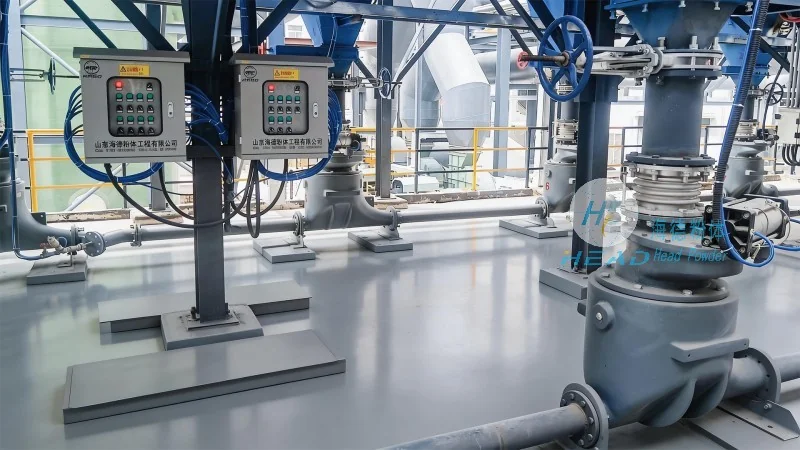
Another critical design principle is the choice of conveying method. Waste powder conveying systems can employ various technologies, including pneumatic conveying (air-assisted), mechanical conveying (e.g., screw conveyors, belt conveyors), or a combination of both. The selection depends on factors like powder type, moisture content, particle size, and distance to be covered. For instance, pneumatic conveying is often preferred for fine powders prone to dusting, while mechanical conveyors may be more suitable for bulkier or heavier materials.
Control systems are also vital, as they ensure smooth operation. Modern systems are equipped with sensors, variable frequency drives (VFDs), and programmable logic controllers (PLCs) that monitor flow rate, pressure, and temperature. These controls allow real-time adjustments to maintain optimal performance and prevent issues like blockages or overloading. Additionally, safety features, such as emergency stop buttons and interlocks, are integrated to protect operators and prevent accidents.
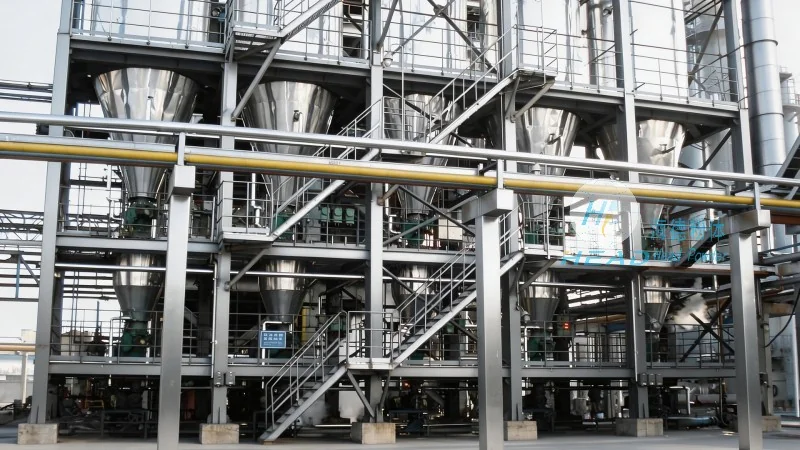
Role of Shandong HeadPowder Engineering Co., Ltd. in Waste Powder Conveying Solutions
Shandong HeadPowder Engineering Co., Ltd., commonly known as HeadPowder, is a leading manufacturer of waste powder conveying system equipment. With its headquarters located in Shandong, China, the company specializes in designing and producing customized solutions tailored to the specific needs of waste management facilities. HeadPowder's expertise lies in applying advanced engineering principles to develop efficient, reliable, and durable conveying systems that meet the demands of modern waste processing operations.
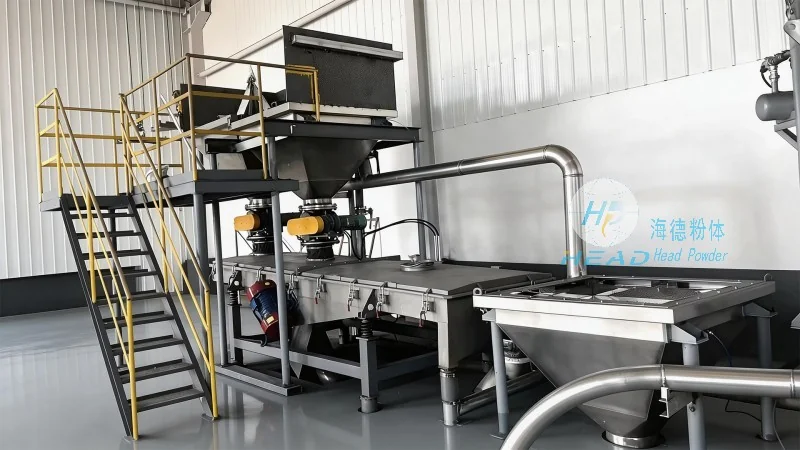
The company's product line includes a range of waste powder conveying equipment, such as screw conveyors, pneumatic conveying systems, and material handling hoppers. Each system is designed with attention to detail, ensuring it can handle various waste powders while maintaining high performance and safety. HeadPowder's commitment to quality and innovation has made it a trusted partner for waste management companies worldwide, providing tools to manage waste effectively and sustainably.
Conclusion
In summary, waste powder conveying system devices are essential components of modern waste management infrastructure, and their design is based on principles that prioritize efficiency, durability, and safety. Companies like Shandong HeadPowder Engineering Co., Ltd. play a crucial role in delivering these solutions, helping facilities achieve waste processing goals while minimizing environmental impact. By understanding the design principles behind these systems, stakeholders can make informed decisions about the equipment best suited to their operational needs.