

What is a Negative Pressure Dilute Phase Powder Conveyor? And What Are Its Design Principles?
Welcome to Shandong HeadPowder Engineering Co., Ltd., a leading manufacturer specializing in advanced powder handling solutions. In this article, we will explore the concept of a negative pressure dilute phase powder conveyor and delve into its fundamental design principles. As a key equipment in industrial powder processing, understanding its functionality and design is crucial for optimizing material transport in various applications.
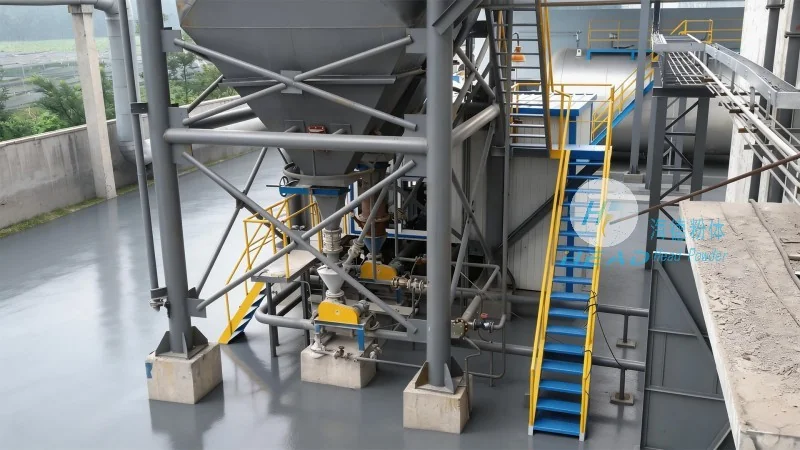
Understanding the Negative Pressure Dilute Phase Powder Conveyor
A negative pressure dilute phase powder conveyor is a type of pneumatic conveying system designed to transport bulk powders over long distances with minimal pressure differentials. Unlike positive pressure systems that force air and material through a pipeline, this system operates by creating a vacuum at the receiving end, drawing the powder from the source into the conveying line. The key characteristic is the low concentration of powder in the air stream, typically ranging from 1 to 10 grams per cubic meter, which allows for efficient and energy-efficient transport. This method is particularly suitable for applications where dust control and material containment are critical, such as in pharmaceutical, food, and chemical industries.
Key Design Principles of the Conveyor System
The design of a negative pressure dilute phase powder conveyor is based on several critical principles to ensure reliable and efficient operation. The primary design considerations include the selection of appropriate air velocity, pipeline diameter, and the use of suitable materials for both the conveyor and associated components. Air velocity is a critical parameter, as it must be high enough to prevent particle settling but low enough to minimize pressure drop and energy consumption. Typically, air velocities range from 20 to 30 meters per second, depending on the particle size and density of the material being conveyed. The pipeline diameter is also carefully chosen to balance the air flow rate and the concentration of the powder, ensuring that the system operates within the optimal dilute phase range.
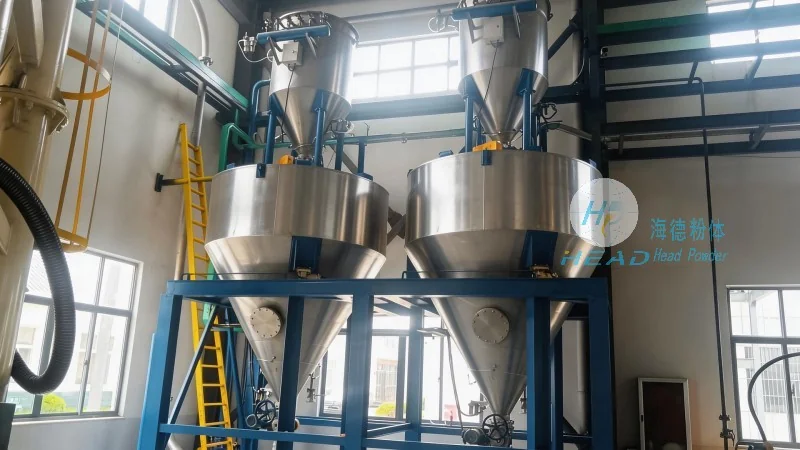
Another essential design principle is the use of a vacuum pump or fan at the receiving end to create the necessary negative pressure. The vacuum pump is responsible for drawing the powder from the source into the conveying line and maintaining the pressure differential throughout the system. The selection of the vacuum pump is based on the required airflow rate and the total pressure drop in the pipeline, which includes friction losses due to the pipeline length, bends, and fittings. The system also incorporates dust collection and filtration components at the receiving end to ensure that the powder is safely and efficiently deposited and to prevent dust emissions into the environment.
Components and Operational Mechanism
The negative pressure dilute phase powder conveyor consists of several key components that work together to achieve efficient material transport. At the source end, a hopper or feeder is used to feed the powder into the conveying line. The feeder is typically a rotary valve or a star feeder, which controls the flow rate of the material and prevents blockages. The conveying line is made of stainless steel or other corrosion-resistant materials to ensure durability and to prevent contamination of the powder. The line includes various fittings such as elbows, tees, and reducers, which are designed to minimize pressure losses and maintain the flow of the air-powder mixture.
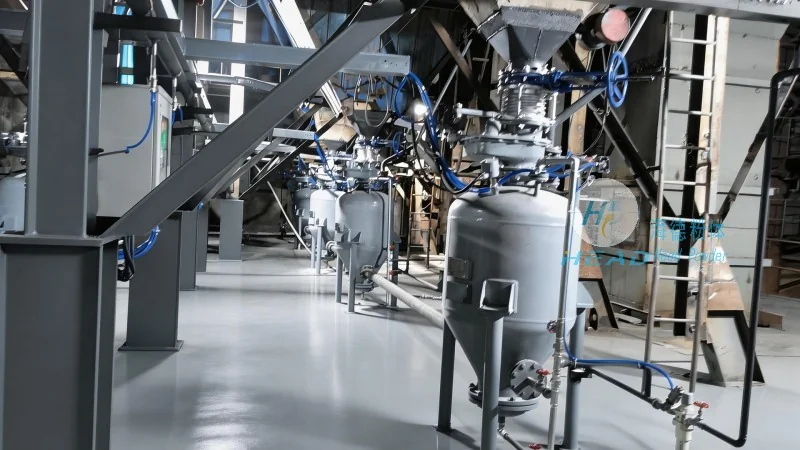
At the receiving end, a dust collector or a baghouse is used to capture the powder from the air stream and deposit it into a storage bin or a processing unit. The dust collector is equipped with a filter that removes the powder particles from the air, and the clean air is then discharged back into the environment. The system also includes a vacuum pump or a fan that maintains the negative pressure in the pipeline, ensuring that the powder is continuously drawn from the source. The operational mechanism involves the creation of a pressure differential between the source and the receiving end, with the vacuum pump creating a lower pressure at the receiving end compared to the source. This pressure difference drives the air-powder mixture through the conveying line, allowing for the efficient transport of the powder.
Advantages and Applications
The negative pressure dilute phase powder conveyor offers several advantages over other conveying methods, making it a preferred choice in many industrial applications. One of the main advantages is its ability to transport powders over long distances with minimal pressure differentials, which reduces energy consumption and operating costs. The low concentration of powder in the air stream also minimizes the risk of dust explosions and ensures better material containment. Another advantage is the flexibility of the system, as it can be easily adapted to different powder types and processing requirements. The system is also relatively simple to install and maintain, with minimal moving parts that require regular maintenance.
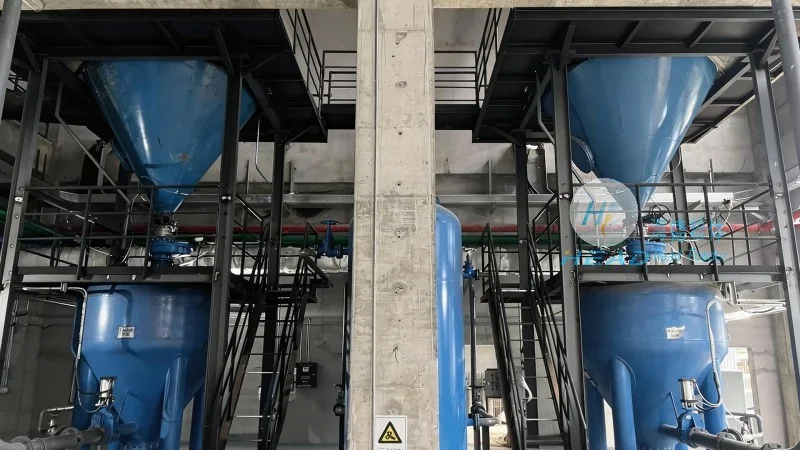
Applications of the negative pressure dilute phase powder conveyor include the pharmaceutical industry, where it is used to transport active pharmaceutical ingredients (APIs) and other powders with high purity requirements. In the food industry, it is used to transport ingredients such as flour, sugar, and spices, ensuring that the powders are handled hygienically and without contamination. The chemical industry also uses this system to transport various chemicals, including powders that are hazardous or sensitive to moisture. Additionally, the system is used in the mining and mineral processing industry to transport ore and other bulk materials from processing plants to storage facilities.
Conclusion
In conclusion, the negative pressure dilute phase powder conveyor is a highly efficient and reliable system for transporting bulk powders in various industrial applications. Its design is based on fundamental principles of pneumatic conveying, including the creation of a negative pressure at the receiving end and the use of low concentration air-powder mixtures. The system offers several advantages, including low energy consumption, minimal dust emissions, and flexibility in handling different powder types. As a leading manufacturer of powder handling solutions, Shandong HeadPowder Engineering Co., Ltd. specializes in designing and manufacturing high-quality negative pressure dilute phase powder conveyors that meet the specific needs of our clients. By understanding the design principles and operational mechanisms of this system, industries can optimize their material transport processes and improve overall efficiency.