

What is an Industrial Alkali Powder Conveying Line? What are its Design Principles?
Industrial alkali powder conveying lines are specialized systems engineered to handle the transportation of alkaline powders, such as sodium hydroxide, sodium carbonate, and other similar chemical substances. These systems are integral to various industrial processes, particularly in sectors like chemical manufacturing, metallurgy, and material processing, where efficient and safe handling of these reactive powders is critical. The design of such lines must address unique challenges posed by alkali materials, including their corrosive nature, hygroscopic properties, and the need for strict environmental and safety compliance.
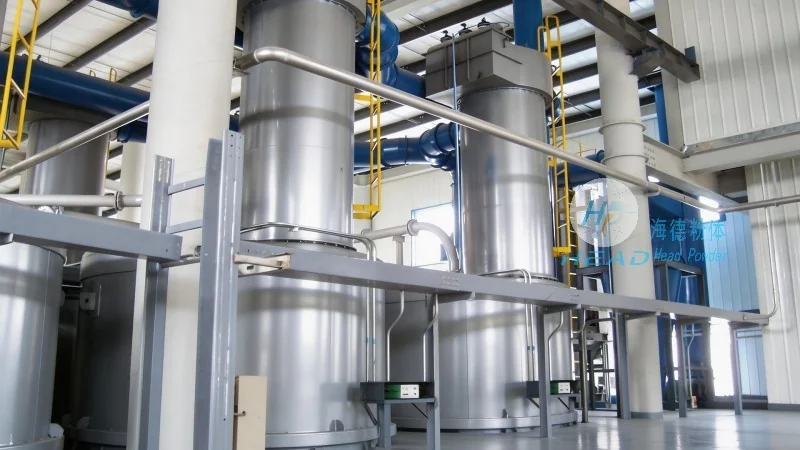
Core Components and Functional Design
The design of an industrial alkali powder conveying line typically revolves around several key components that work in tandem to ensure reliable operation. A primary component is the storage silo or hopper, which is constructed from corrosion-resistant materials like stainless steel or lined with specialized coatings to prevent degradation from the alkaline environment. These storage vessels are equipped with level sensors and aeration systems to maintain material flowability and prevent caking or bridging, which can disrupt the conveying process.
From the storage hopper, the material is transferred to a conveying mechanism. For bulk handling, screw conveyors or auger systems are commonly used, as they provide a continuous, enclosed path that minimizes dust generation and exposure. Alternatively, pneumatic or air-assisted conveying systems may be employed for longer distances or where high-speed, low-dust transport is required. These systems utilize compressed air to move the powder through a network of pipes, often incorporating cyclone separators or filters to capture any fine particles and return them to the system for reprocessing.
Design Principles for Safety and Efficiency
Key design principles for industrial alkali powder conveying lines prioritize safety, efficiency, and durability. One fundamental principle is the implementation of airtight and sealed systems to prevent dust emissions and protect operators from exposure to harmful alkaline powders. This is achieved through the use of double-seal or positive-pressure enclosures, which maintain a controlled environment and prevent contamination of the surrounding workspace.
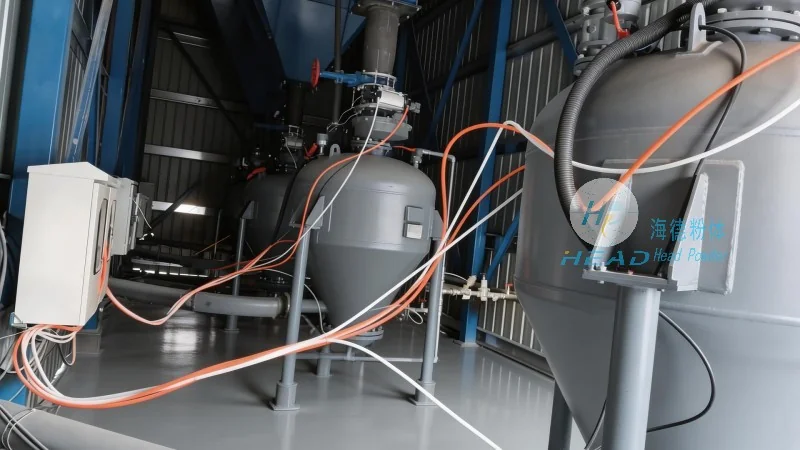
Corrosion resistance is another critical design consideration. Alkali powders can aggressively attack conventional metal surfaces, leading to premature wear and system failure. Therefore, components such as hoppers, conveyors, and piping are often manufactured from 316L stainless steel or coated with epoxy or polyurethane linings. These materials offer excellent resistance to chemical attack while maintaining structural integrity under heavy load conditions.
Efficiency is optimized through the integration of automated control systems. Modern conveying lines are equipped with programmable logic controllers (PLCs) and sensors that monitor flow rates, pressure, and temperature in real-time. This allows for dynamic adjustments to the conveying process, ensuring consistent performance and minimizing downtime. For example, a sensor may detect a blockage in the conveyor and trigger an alarm or automatic shut-off to prevent material spillage or equipment damage.
Application-Specific Considerations
The design of an industrial alkali powder conveying line is tailored to the specific application and material characteristics. For instance, in chemical manufacturing, the line may need to integrate with reactors or reactors, requiring precise dosing and control of the alkaline powder feed. In metallurgical processes, the system might be part of a fluxing or cleaning operation, where the powder is used to remove impurities from metal surfaces. Each application demands a customized approach to ensure that the conveying line meets the unique requirements of the process, including throughput capacity, particle size distribution, and environmental regulations.
HeadPowder: Customized Solutions for Alkali Powder Conveying
Shandong HeadPowder Engineering Co., Ltd., commonly known as HeadPowder, is a leading manufacturer specializing in the design and fabrication of industrial powder handling systems. With facilities located in Shandong, China, HeadPowder has extensive experience in developing customized conveying lines for a wide range of industrial applications. The company’s expertise lies in integrating advanced engineering principles with practical industry needs to deliver reliable, efficient, and cost-effective solutions.
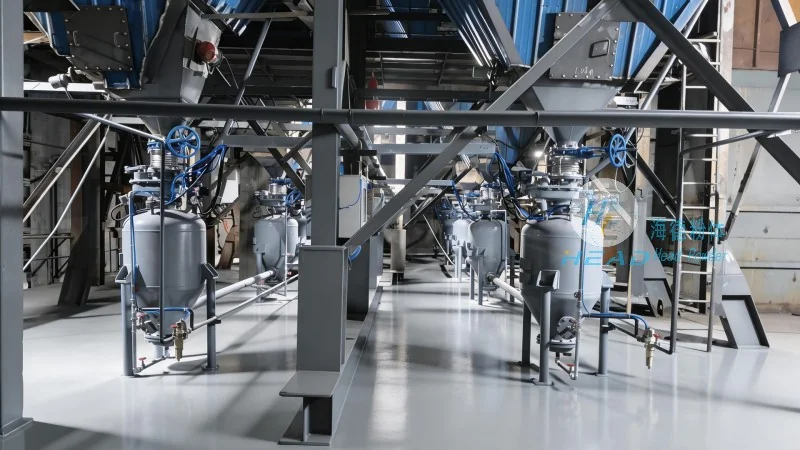
HeadPowder’s approach to designing alkali powder conveying lines begins with a thorough understanding of the client’s process requirements. Engineers at the company conduct detailed assessments of the material properties, handling volumes, and operational environment to develop a tailored system design. This includes selecting the appropriate conveying technology—whether screw, pneumatic, or a combination of both—based on factors such as distance, material flowability, and space constraints.
The company emphasizes the use of high-quality, corrosion-resistant materials in all components of the system. This ensures that the conveying line can withstand the harsh conditions associated with alkali powders, extending the system’s lifespan and reducing maintenance costs. Additionally, HeadPowder incorporates advanced control systems that enhance operational efficiency and safety, aligning with international standards such as ISO and OSHA guidelines.
HeadPowder’s commitment to customer satisfaction is reflected in its comprehensive after-sales support. The company provides installation, commissioning, and maintenance services to ensure that the conveying line operates at peak performance throughout its lifecycle. By leveraging its expertise and experience, HeadPowder helps industrial clients optimize their material handling processes, improve productivity, and maintain compliance with environmental regulations.