

What is an Automatic Powder Conveyor? And What Are Its Design Principles?
For industries dealing with bulk powders, the efficient and reliable transportation of materials is a critical operational need. An automatic powder conveyor, also known as a powder handling system, is a specialized piece of equipment designed to move dry powders and granules from one location to another with precision and control. This article explores the fundamental aspects of automatic powder conveyors, focusing on their purpose, key components, and the underlying design principles that make them effective in various industrial applications.
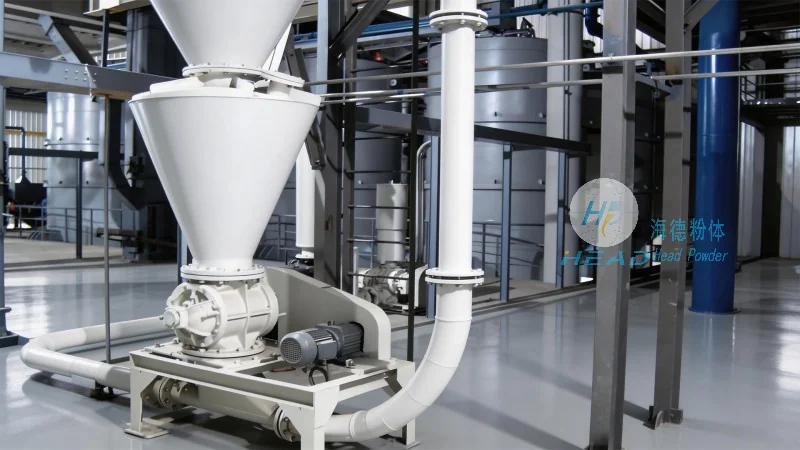
Understanding the Role of Automatic Powder Conveyors
In modern manufacturing and processing facilities, the need to handle large volumes of powders efficiently has led to the development of sophisticated conveyor systems. These systems are essential for applications ranging from pharmaceuticals and food processing to chemical manufacturing and mining. The primary function of an automatic powder conveyor is to transport materials in a controlled manner, minimizing product degradation, contamination, and loss. By automating the process, these systems enhance productivity, reduce labor costs, and improve overall operational safety.
Key Components and Working Principles
The design of an automatic powder conveyor typically involves several key components that work in concert to achieve efficient material handling. These include a hopper or feeder for storing and feeding the powder, a conveyor mechanism (such as a screw, belt, or pneumatic system), and control systems for regulating the flow and speed. The choice of component depends on the specific characteristics of the powder being handled, including its density, flowability, and potential for caking or segregation.
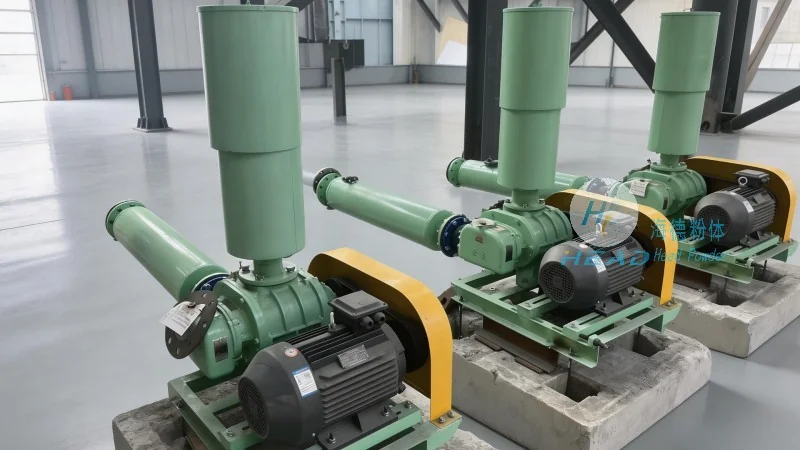
One of the most common types of automatic powder conveyors is the screw conveyor, which uses a rotating screw to push material forward. This design is particularly effective for materials with moderate flowability and is widely used in industries where gentle handling is required to prevent product degradation. Another popular option is the pneumatic conveyor, which uses compressed air to transport powders through a pipeline. This method is ideal for handling fine powders and can achieve high transport speeds, making it suitable for long-distance applications.
Design Principles for Optimal Performance
The effectiveness of an automatic powder conveyor is largely determined by its design, which must consider several factors to ensure reliable operation. First, the system must be designed to prevent material buildup or blockages, which can lead to system failure. This is achieved through features such as inclined screw sections, anti-segregation devices, and proper hopper design. Second, the conveyor must be able to handle variations in powder characteristics, such as changes in moisture content or particle size, without compromising performance. This flexibility is crucial for maintaining consistent product quality and minimizing downtime.
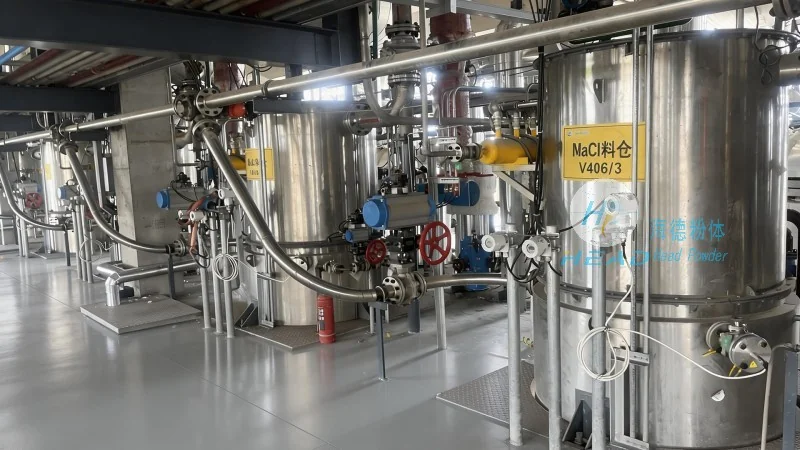
Third, the design must prioritize safety and maintenance. Automatic powder conveyors are often equipped with safety sensors and emergency stop mechanisms to prevent accidents. Additionally, the materials used in construction must be durable and resistant to corrosion or wear from the powder being handled. Regular maintenance is also essential to ensure the longevity and efficiency of the system. The design principles for optimal performance, as exemplified by systems from companies like Shandong HeadPowder Engineering Co., Ltd., focus on these aspects to deliver reliable operation.
Applications and Industry Impact
Automatic powder conveyors are used in a wide range of industries, each with specific requirements that influence the design of the system. In the pharmaceutical industry, for example, conveyors must meet stringent hygiene and contamination control standards, often incorporating stainless steel construction and easy-to-clean components. In the food industry, the equipment must be designed to handle food-grade materials and comply with regulatory requirements. Similarly, in the chemical industry, the conveyors may need to be constructed from corrosion-resistant materials to handle aggressive substances.
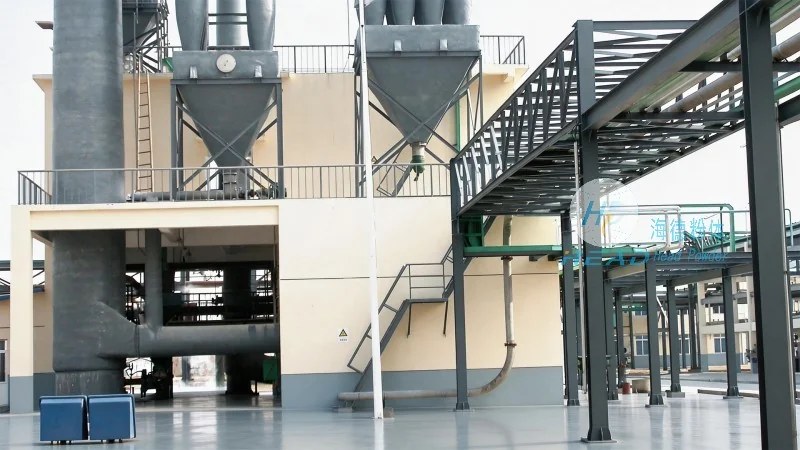
The impact of these systems on industrial operations is significant. By improving material handling efficiency, automatic powder conveyors help reduce production costs and increase output. They also contribute to better product quality by minimizing handling-related issues such as segregation or degradation. Furthermore, the automation aspect of these systems enhances workplace safety by reducing the need for manual handling of powders, which can be hazardous.
Conclusion
Automatic powder conveyors are essential equipment for industries that rely on the efficient transportation of bulk powders. Their design, which incorporates advanced components and principles, ensures reliable and controlled material handling. As technology continues to evolve, these systems are likely to become even more sophisticated, offering greater efficiency and adaptability. For businesses seeking to optimize their powder handling processes, understanding the capabilities and design principles of automatic powder conveyors is crucial.