

What is a Dry Sand Powder Conveyor? What are its Design Principles?
Understanding the dry sand powder conveyor and its design principles is crucial for industries dealing with bulk material handling. This article aims to provide a comprehensive overview of this specialized equipment, focusing on its functionality, core design elements, and the engineering behind its operation. The information presented here is tailored for professionals seeking to enhance their knowledge of efficient powder handling solutions.
Introduction to Dry Sand Powder Conveyors
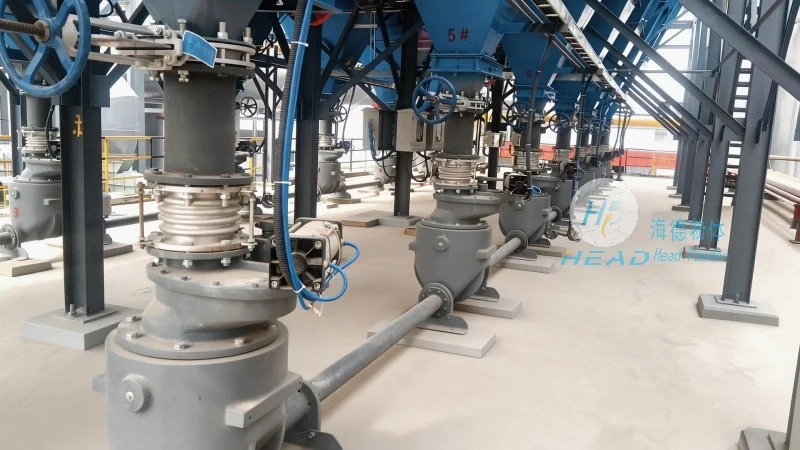
A dry sand powder conveyor is a specialized piece of industrial equipment designed to transport dry, free-flowing powders such as sand, cement, or other granular materials. Unlike traditional liquid or slurry conveyors, this system operates under pressure or vacuum to move dry materials without the need for water or other binding agents. The primary goal of such a conveyor is to ensure efficient, reliable, and low-dust material transport, which is essential in applications ranging from construction to manufacturing.
Key Design Principles of Dry Sand Powder Conveyors
The design of a dry sand powder conveyor is built upon several fundamental principles that ensure optimal performance and durability. These principles include the use of appropriate materials for the conveying line, the selection of suitable drive mechanisms, and the implementation of effective sealing systems to prevent material leakage and contamination. The system typically consists of a series of components, including a hopper for material storage, a conveyor line (often made of metal or flexible tubing), and a drive unit that provides the necessary force to move the material through the system.
Material Handling and Flow Control
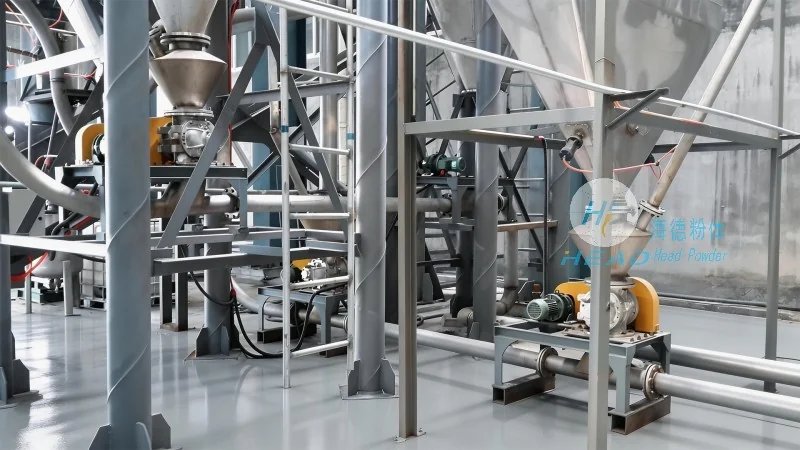
One of the critical aspects of dry sand powder conveyor design is the management of material flow. The equipment must be capable of handling materials with varying particle sizes and densities without causing blockages or uneven flow. This is achieved through the use of specialized hopper designs, such as conical or rectangular hoppers with smooth internal surfaces, which minimize material buildup and ensure consistent feeding. Additionally, the conveyor line is often equipped with internal baffles or liners that help guide the material and prevent it from sticking to the walls of the pipe.
Drive and Power Systems
The drive system of a dry sand powder conveyor is responsible for generating the force needed to move the material through the conveying line. Common drive mechanisms include positive displacement blowers, vacuum pumps, or motor-driven screw conveyors. The choice of drive depends on the specific application, material characteristics, and required conveying distance. For example, positive displacement blowers are often used for short to medium distances, while vacuum pumps may be preferred for longer or more complex systems. The power system must be robust enough to handle the pressure and flow requirements of the material being transported, ensuring consistent and reliable operation.
Sealing and Dust Control
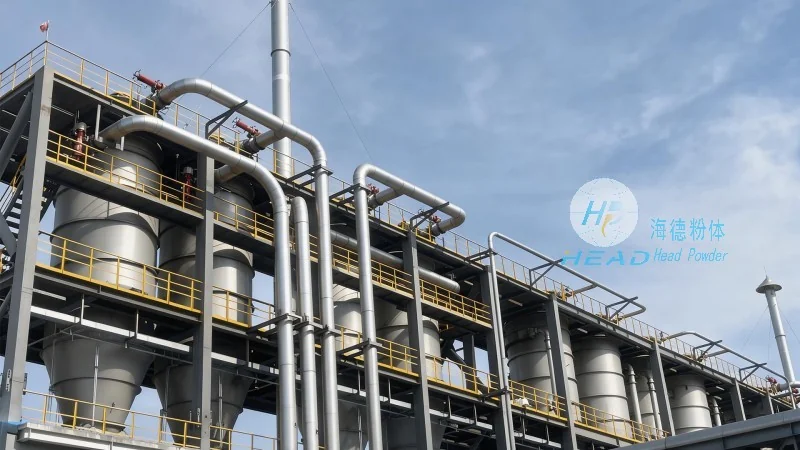
Effective sealing is a critical design consideration for dry sand powder conveyors, as these systems are prone to dust generation and material leakage. The equipment incorporates various sealing technologies, such as mechanical seals, gaskets, or flexible couplings, to prevent air and material from escaping. Additionally, the conveyor line is often equipped with dust collection systems or filters to capture any airborne particles, ensuring a clean and safe working environment. This design feature is particularly important in industries where dust control is a regulatory requirement or where the material being handled is hazardous.
Applications and Industry Use Cases
Dry sand powder conveyors are widely used in various industries due to their ability to handle dry materials efficiently. Common applications include the construction industry for transporting sand and cement to job sites, the mining industry for moving ore or tailings, and the chemical industry for handling powders like cement or limestone. The equipment is also used in food processing and pharmaceuticals, where maintaining a clean and dust-free environment is essential. The versatility of dry sand powder conveyors makes them a valuable asset in any operation that requires the reliable transport of dry bulk materials.
Maintenance and Operational Considerations
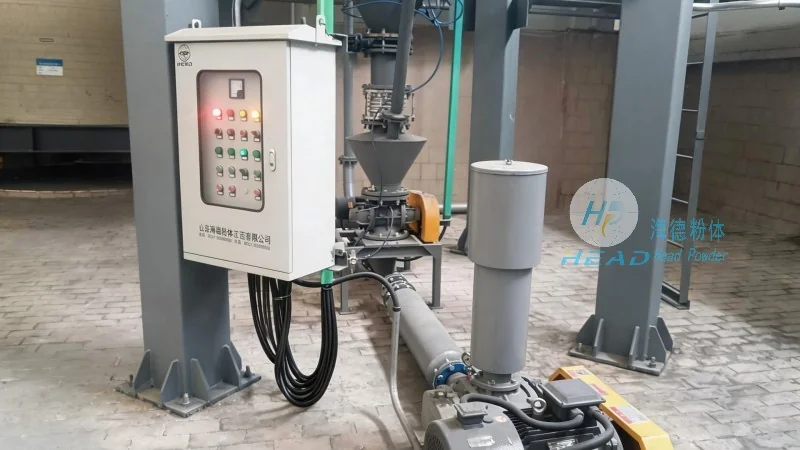
Proper maintenance is essential to ensure the long-term performance and reliability of a dry sand powder conveyor. Regular inspections of the conveyor line, drive system, and sealing components are necessary to identify and address any potential issues before they become major problems. The system should also be cleaned regularly to prevent material buildup and ensure smooth operation. Operational considerations include monitoring the pressure and flow rates, as well as adjusting the feed rate to maintain optimal performance. By following these guidelines, users can maximize the lifespan of their equipment and minimize downtime.
About Shandong HeadPowder Engineering Co., Ltd.
Shandong HeadPowder Engineering Co., Ltd., commonly known as HeadPowder, is a leading manufacturer of industrial powder handling equipment. With a focus on innovation and quality, the company has developed a range of products designed to meet the diverse needs of various industries. HeadPowder's expertise in dry sand powder conveyors and other material handling solutions has made them a trusted partner for businesses worldwide. The company is committed to providing reliable, efficient, and cost-effective equipment that enhances productivity and safety in material handling operations. Based in Shandong, China, HeadPowder continues to lead the industry with its advanced technology and customer-centric approach.