

What Is a Silo Powder Conveying Line? And What Are Its Design Principles?
Understanding the Silo Powder Conveying Line and Its Design Principles
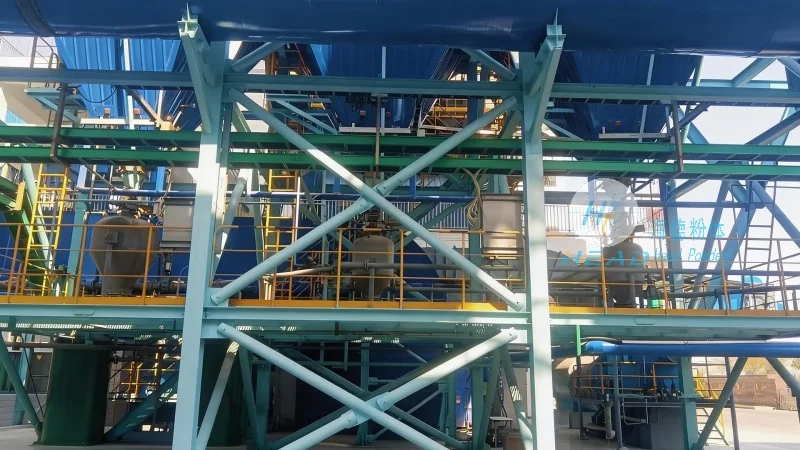
Introduction to Silo Powder Conveying Lines
A silo powder conveying line is a specialized system engineered to handle, transport, and manage bulk powders from storage silos to processing or packaging stations. These systems are critical in industries such as food processing, pharmaceuticals, chemicals, and mining, where efficient and reliable powder handling is essential for operational success. The design of a silo powder conveying line involves a combination of components that work in harmony to ensure safe, efficient, and consistent material flow. This article delves into the core components, operational mechanisms, and design principles that define these systems, providing a comprehensive overview for professionals in related fields.
Key Components of a Silo Powder Conveying Line
The silo powder conveying line typically consists of several interconnected components, each playing a vital role in the overall system. The primary components include the silo itself, which serves as the storage vessel for bulk powders; a discharge mechanism, such as a rotary valve or a gate valve, to control the release of material from the silo; a conveyor system, which may include screw conveyors, pneumatic conveyors, or bucket elevators, depending on the material characteristics and application requirements; and a control system that monitors and regulates the entire process. Additionally, auxiliary components like dust collectors, filters, and safety devices are often integrated to ensure environmental compliance and operational safety.
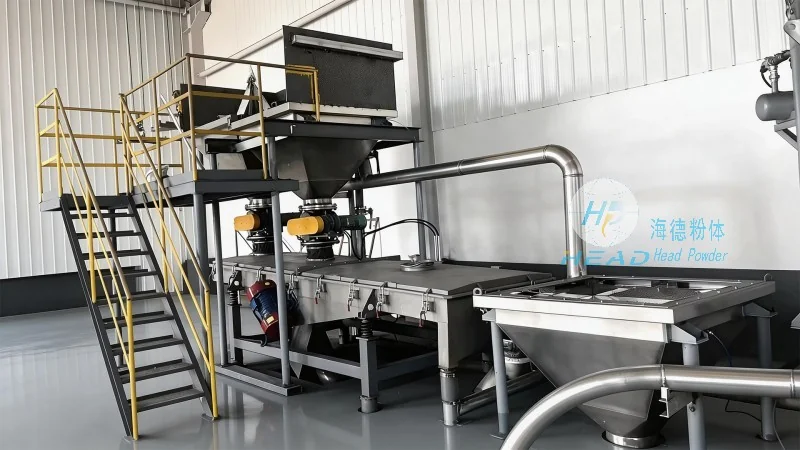
Design Principles for Efficient Powder Handling
The design of a silo powder conveying line is guided by several key principles aimed at optimizing performance, safety, and reliability. One of the fundamental principles is the minimization of material degradation and agglomeration during transport. This is achieved through the selection of appropriate conveyor types and the incorporation of features like vibration systems or air knives to maintain material flowability. Another critical principle is the prevention of dust generation and explosion hazards, which is addressed through the use of sealed systems, explosion-proof components, and effective dust collection mechanisms. The design also considers the specific properties of the powder being handled, including particle size, moisture content, and flowability, to select the most suitable conveying method and equipment. For example, cohesive or fine powders may require pneumatic conveying systems with positive pressure to prevent blockages, while free-flowing bulk materials might be better suited to mechanical screw or belt conveyors.
Operational Mechanisms and Flow Control
The operational mechanism of a silo powder conveying line involves a sequence of steps to ensure smooth material transfer. The process typically begins with the activation of the discharge mechanism from the silo, which allows the powder to enter the conveyor system. The conveyor then transports the material to the desired destination, such as a mixing tank, packaging machine, or processing unit. Flow control is a critical aspect of this process, as it ensures consistent material delivery and prevents overloading or underloading of downstream equipment. This is achieved through the use of variable speed drives, pressure sensors, and level indicators that monitor the material level in the silo and the flow rate through the conveyor. Advanced control systems may also incorporate feedback loops to adjust the discharge rate in real-time, based on the demand from downstream processes.
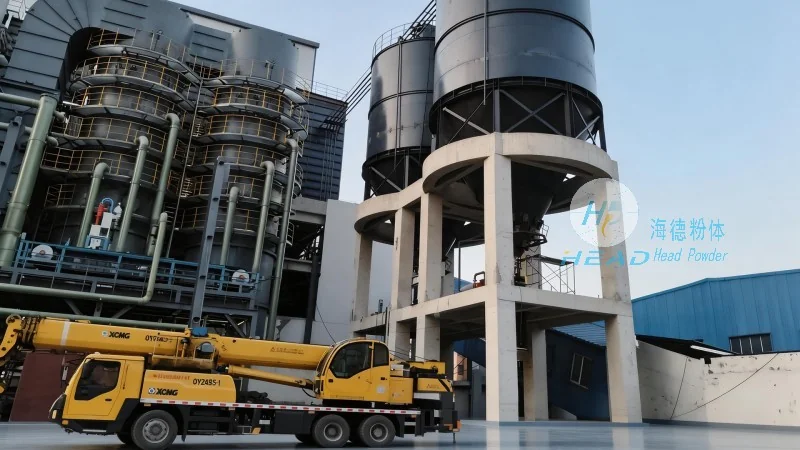
Safety and Environmental Considerations
Designing a silo powder conveying line requires careful consideration of safety and environmental factors to comply with regulations and protect personnel and equipment. Dust control is a primary concern, as powders can create hazardous dust clouds that pose explosion risks. Therefore, sealed conveyor systems, dust collectors, and explosion-proof components are standard features. Additionally, the system must be designed to prevent material buildup and blockages, which can lead to equipment failure or safety hazards. Regular maintenance and monitoring are essential to ensure the system operates within safe parameters. Environmental considerations also include the prevention of emissions and the proper disposal of any waste materials generated during operation. Companies like Shandong HeadPowder Engineering Co., Ltd. specialize in designing and manufacturing such systems with these safety and environmental standards in mind, providing reliable solutions for bulk powder handling.
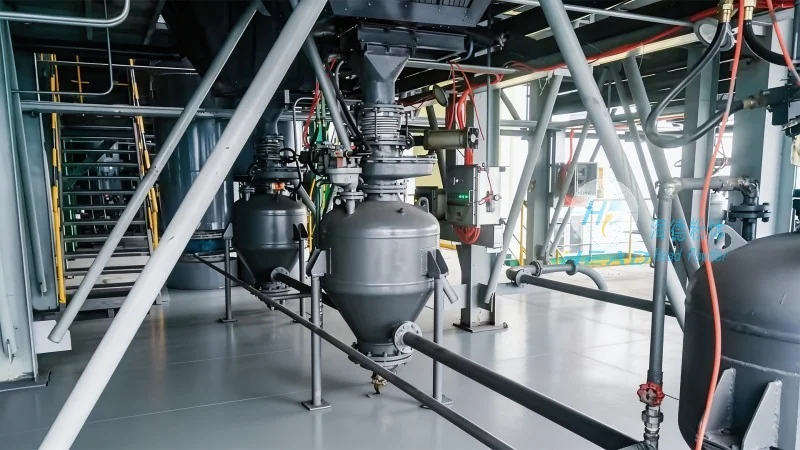
Applications and Industry Use Cases
Silo powder conveying lines are widely used across various industries due to their versatility and efficiency. In the food industry, they are used to transport ingredients like flour, sugar, and spices from storage silos to production lines. In the pharmaceutical sector, they handle active pharmaceutical ingredients (APIs) and excipients, ensuring precise and contamination-free delivery. The chemical industry utilizes these systems for transporting raw materials and finished products, while the mining industry relies on them to move bulk minerals from storage to processing facilities. Each application may require specific design modifications, such as the use of stainless steel components for hygienic applications or explosion-proof designs for hazardous materials. The adaptability of silo powder conveying lines makes them a preferred choice for industries that demand high efficiency and reliability in bulk powder handling.
Conclusion: The Importance of Well-Designed Silo Powder Conveying Lines
In conclusion, a silo powder conveying line is a sophisticated system that plays a crucial role in the efficient and safe handling of bulk powders. The design principles, components, and operational mechanisms work together to ensure optimal performance, minimize material loss, and comply with safety and environmental regulations. For industries that rely on consistent and reliable powder flow, investing in a well-designed silo powder conveying line is essential for maintaining productivity and meeting quality standards. Companies like Shandong HeadPowder Engineering Co., Ltd. offer expertise in designing and manufacturing these systems, providing tailored solutions that meet the specific needs of their clients. By understanding the core components and design principles, professionals can make informed decisions when selecting or upgrading their powder handling equipment, ensuring long-term operational success.