

What is a Soybean Material Handling Conveyor? Understanding Its Design Principles
When it comes to processing soybeans efficiently, the soybean material handling conveyor plays a crucial role in streamlining operations. This specialized equipment is designed to transport soybean raw materials through various stages of processing with precision and reliability. Understanding the core components and design principles behind these conveyors is essential for optimizing soybean handling in industrial settings.
Core Components of a Soybean Material Handling Conveyor
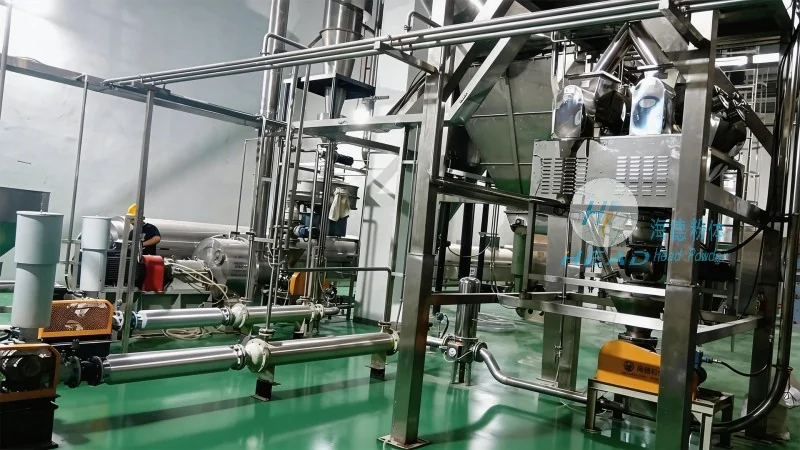
The soybean material handling conveyor system typically consists of several key components that work in harmony to ensure smooth material flow. These components include the conveyor belt, which serves as the primary transport medium, and the drive system that powers the belt's movement. Additionally, the frame structure provides stability and support for the entire assembly, while the idlers or rollers help maintain the belt's tension and alignment. Other critical elements may include feeding mechanisms, such as hoppers or feeders, that regulate the flow of soybeans onto the conveyor, and discharge systems that direct the processed material to the next stage of production.
Design Principles for Efficient Soybean Material Handling
The design of a soybean material handling conveyor is guided by several fundamental principles aimed at maximizing efficiency, durability, and adaptability. One key principle is the selection of appropriate materials for the conveyor belt and components to withstand the abrasive nature of soybeans and the environmental conditions of the processing facility. For instance, belts made from rubber or specialized synthetic materials are commonly used to prevent wear and tear from the raw material. Another important principle is the optimization of the conveyor's speed and capacity to match the production rate of the soybean processing line. This ensures that the conveyor can handle the volume of material without causing bottlenecks or overloading downstream equipment.
Material Flow Control and System Integration
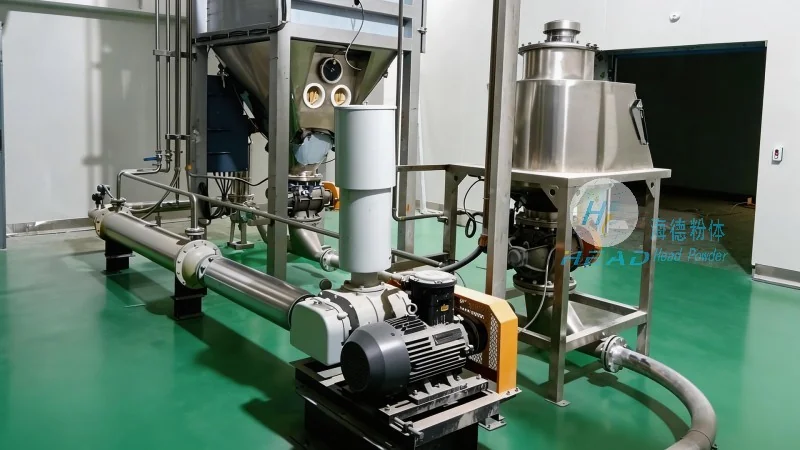
Effective control of material flow is a critical aspect of soybean material handling conveyor design. This involves implementing mechanisms such as variable speed drives, which allow operators to adjust the conveyor speed based on the processing requirements. Additionally, sensors and monitoring systems can be integrated to detect blockages, overloads, or changes in material density, enabling timely interventions to prevent system downtime. The conveyor is often integrated with other processing equipment, such as cleaning, drying, or grinding machines, to form a cohesive material handling system. This integration ensures that soybeans move seamlessly from one stage to the next, minimizing manual handling and reducing the risk of contamination or loss.
Durability and Maintenance Considerations
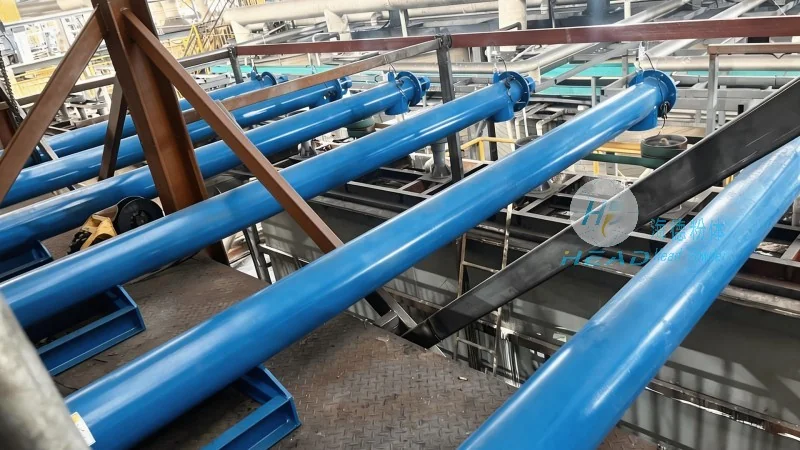
Given the demanding nature of soybean processing, the durability of the material handling conveyor is paramount. The design incorporates features such as reinforced frames, heavy-duty bearings, and robust drive systems to withstand continuous operation and the mechanical stresses associated with handling raw soybeans. Regular maintenance is also a key consideration in the design, with easy access to components for cleaning, lubrication, and replacement. This helps to extend the lifespan of the equipment and maintain its performance over time. Additionally, the use of corrosion-resistant materials in areas exposed to moisture or cleaning agents ensures long-term reliability in various processing environments.
Application in Soybean Processing Facilities
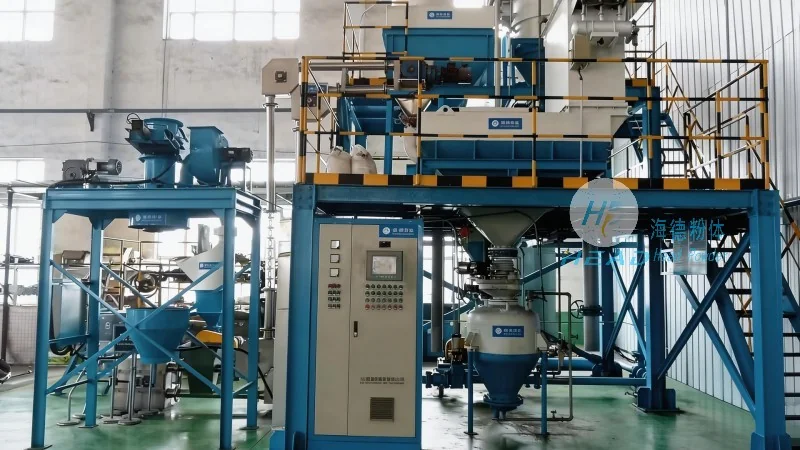
Soybean material handling conveyors are widely used in various stages of soybean processing, from initial reception and cleaning to subsequent processing steps like drying, grinding, or extrusion. In the reception stage, conveyors help move raw soybeans from storage bins or trucks into processing areas, ensuring a consistent flow of material. During cleaning, conveyors transport soybeans through washing and drying processes, where they are cleaned of impurities and moisture. In grinding operations, conveyors deliver the cleaned soybeans to grinding mills, where they are processed into soybean meal or other products. The versatility of these conveyors allows them to adapt to different processing requirements, making them an essential part of modern soybean processing facilities.
Conclusion and Company Overview
In summary, the soybean material handling conveyor is a vital piece of equipment in soybean processing, designed to efficiently transport raw materials through various stages of production. Its design principles focus on durability, material flow optimization, and system integration to ensure reliable and efficient operation. As a leading provider in this field, Shandong HeadPowder Engineering Co., Ltd. specializes in manufacturing high-quality soybean material handling conveyors tailored to the specific needs of industrial processing facilities. With a commitment to quality and innovation, HeadPowder delivers solutions that enhance productivity and reliability in soybean processing operations.