

What is a Rare Earth Material Conveying Line? And What Are Its Design Principles?
Understanding the rare earth material conveying line is crucial for optimizing material handling processes in industrial settings. This system is specifically engineered to transport rare earth materials, which are critical components in various high-tech applications. The design principles behind such lines focus on efficiency, safety, and adaptability to the unique characteristics of rare earth powders and granules.
Introduction to Rare Earth Material Conveying Lines
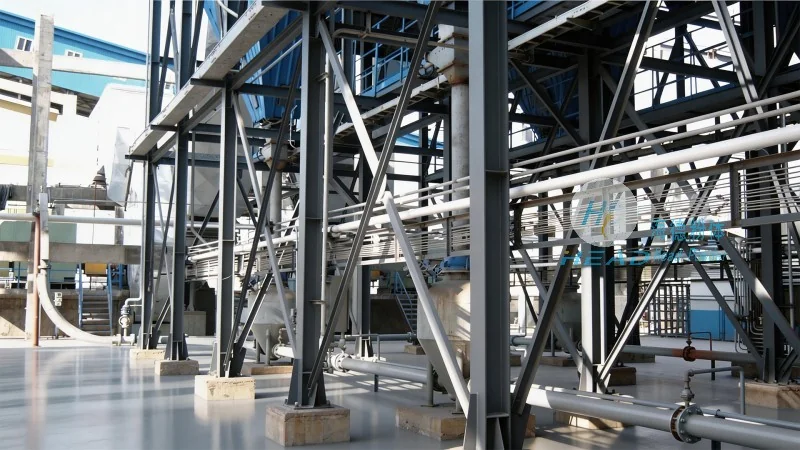
A rare earth material conveying line is a specialized industrial system designed to transport rare earth elements and their compounds. These materials, including oxides and metals, are often in powder or granular form and require handling solutions that prevent contamination, degradation, and dust generation. The conveying line typically integrates multiple components, such as feeders, conveyors, and control systems, to ensure smooth and continuous material movement from the source to the processing or storage point.
Key Components and Functional Design Principles
The design of a rare earth material conveying line is guided by several fundamental principles to meet the stringent requirements of material handling. One of the primary considerations is the prevention of material degradation, which can occur due to friction, impact, or exposure to air. To address this, the system often employs enclosed or sealed conveyor sections, such as pneumatic conveying or screw conveyors, to minimize contact with external elements. Additionally, the design incorporates adjustable speed controls and material flow monitoring to maintain consistent throughput and prevent overloading or blockages.
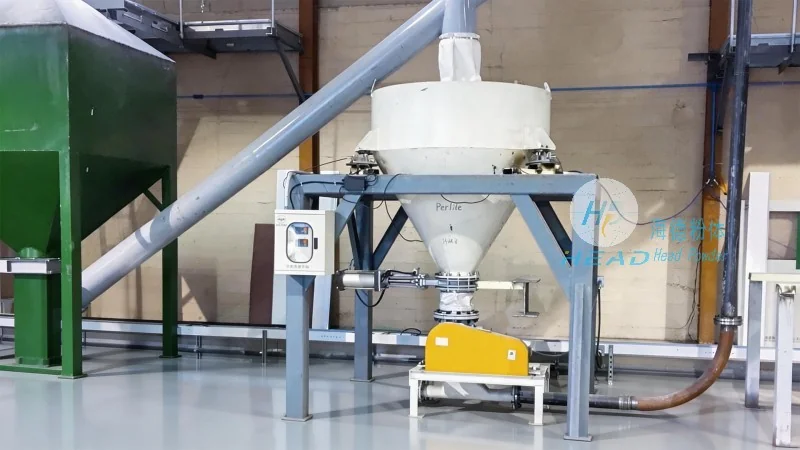
Another critical aspect is the handling of fine powders, which are prone to dust generation and air contamination. The conveying line may include dust collection systems and filtration units to ensure environmental compliance and worker safety. The components are typically made from materials resistant to corrosion and chemical reactions, such as stainless steel or specialized alloys, to withstand the acidic or reactive nature of some rare earth compounds. The design also emphasizes energy efficiency, with variable frequency drives (VFDs) used to adjust motor speeds based on the material load, reducing energy consumption during low-demand periods.
Application Scenarios and Operational Advantages
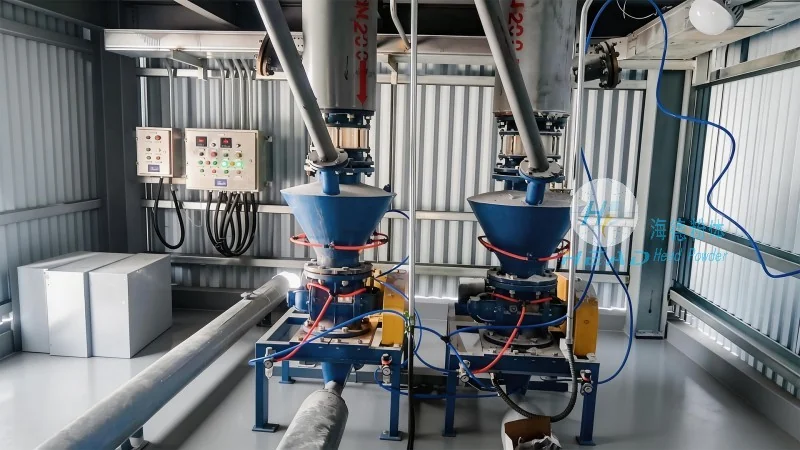
Rare earth material conveying lines are widely used in industries such as electronics, automotive, and aerospace, where rare earth elements are essential for manufacturing components like magnets, batteries, and catalysts. The operational advantages of these systems include improved productivity through automated material handling, reduced labor costs, and enhanced safety by minimizing manual handling of hazardous materials. The enclosed design also helps in maintaining material purity, which is vital for high-quality end products. Furthermore, the modular nature of the conveying line allows for easy integration with existing production lines and scalability to accommodate increased production demands.
Company Profile and Technical Capabilities
HeadPowder, a leading provider of material handling solutions, specializes in designing and manufacturing rare earth material conveying lines. With headquarters in Shandong, China, HeadPowder Engineering Co., Ltd. leverages over two decades of industry experience to deliver customized solutions tailored to the unique needs of clients. The company’s team of engineers and technicians work closely with clients to understand their specific material characteristics, production volumes, and operational constraints, ensuring the final design meets all technical and safety standards. HeadPowder’s products are known for their durability, reliability, and adherence to international quality certifications, making them a trusted choice for industries that demand precision and efficiency in material handling. By combining advanced technology with practical engineering, HeadPowder continues to set industry standards for rare earth material conveying systems.