

Principles and Working Scene Characteristics of Petrochemical Material Handling System Equipment
HeadPowder, a leading engineering firm based in Shandong, China, specializes in the design, manufacturing, and implementation of advanced material handling systems tailored for the petrochemical industry. This article delves into the core principles and operational characteristics of such systems, highlighting their critical role in ensuring efficient, safe, and reliable material transport within industrial settings.
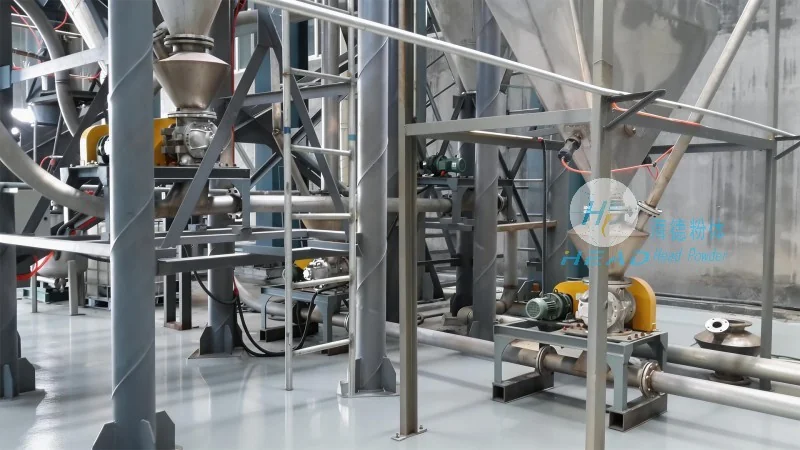
Core Principles of Petrochemical Material Handling Systems
The foundation of any effective petrochemical material handling system lies in its ability to manage diverse materials—ranging from liquids and gases to solids and powders—under stringent safety and performance standards. These systems are engineered to adhere to rigorous industry regulations, such as those from the American Petroleum Institute (API) and the International Organization for Standardization (ISO), ensuring compliance with safety protocols and operational efficiency. The primary principles include: seamless integration with production processes, enabling real-time material flow management; robust material compatibility, designed to handle corrosive or hazardous substances without degradation; and high reliability, with built-in redundancy and monitoring systems to prevent downtime.
Key Working Scene Characteristics
Petrochemical material handling systems operate in diverse industrial environments, each with unique challenges and requirements. The working scene characteristics are defined by several factors, including: environmental conditions, such as high temperatures, pressure, and exposure to chemicals; material properties, which dictate the choice of equipment (e.g., pumps, conveyors, or storage tanks); and process integration, where systems must synchronize with other industrial machinery for optimal performance. For instance, in a refinery, the system may involve large-scale pipelines for transporting crude oil, while in a chemical plant, it might focus on precise dosing of reagents through automated valves and meters.
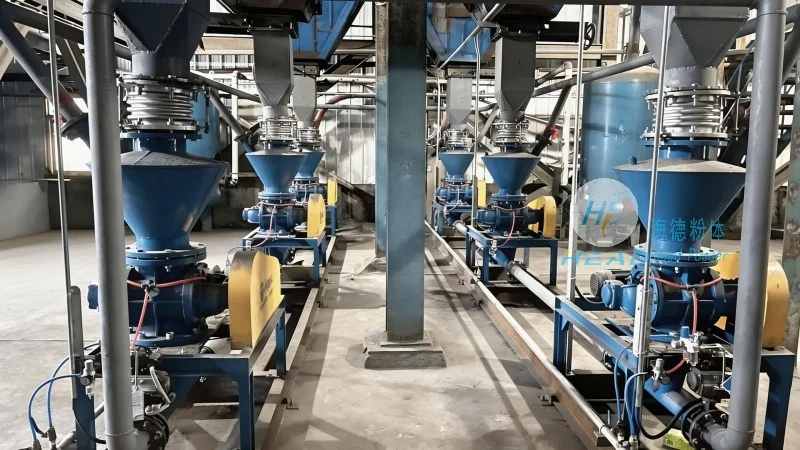
Equipment Components and Their Functions
Modern petrochemical material handling systems comprise several critical components, each playing a vital role in the overall operation. These include: conveying equipment (e.g., screw conveyors, belt conveyors, and pneumatic systems) for transporting bulk solids; fluid handling equipment (e.g., pumps, compressors, and storage tanks) for liquids and gases; and control systems (e.g., PLCs and SCADA) for monitoring and regulating the flow. The selection of these components is based on factors like material density, flow rate, and the need for temperature control. For example, a pneumatic conveyor system is ideal for transporting powders that are sensitive to moisture or contamination, while a centrifugal pump is suitable for high-pressure liquid transport.
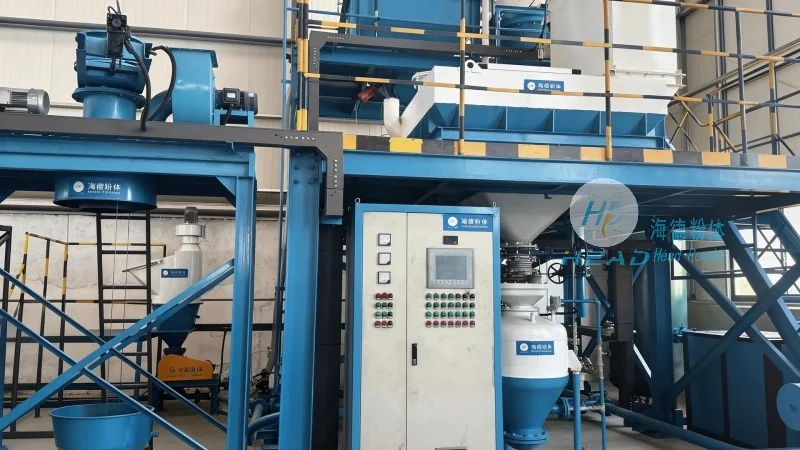
Ensuring Safety and Efficiency in Operations
Given the hazardous nature of petrochemical materials, safety is a paramount concern in material handling systems. Advanced systems incorporate multiple safety features, including: pressure relief valves to prevent over-pressurization; leak detection sensors to monitor for spills or leaks; and emergency shutdown systems that can halt operations in case of an anomaly. Additionally, the integration of real-time monitoring and predictive maintenance tools helps in identifying potential issues before they lead to system failures, thereby enhancing operational efficiency and reducing downtime. This proactive approach not only minimizes risks but also extends the lifespan of the equipment, contributing to long-term cost savings.
Customization and Scalability for Diverse Applications
HeadPowder recognizes that no two petrochemical facilities are identical, and thus, its material handling systems are designed to be customizable and scalable. The company works closely with clients to understand their specific operational needs, whether it’s for a small-scale chemical plant or a large-scale refinery. By offering tailored solutions, HeadPowder ensures that the systems not only meet current requirements but also adapt to future expansions or technological advancements. This flexibility is crucial in an industry where processes and regulations are constantly evolving.