

Principle and Working Scene Characteristics of Dry Ash Material Conveying System Equipment
HeadPowder, a leading engineering company based in Shandong, China, specializes in the design, manufacturing, and implementation of advanced dry ash material conveying systems. These systems are crucial for efficient and safe transportation of dry ash from industrial facilities, such as thermal power plants and cement factories, to disposal or utilization sites. This article explores the fundamental principles behind these systems and highlights the key characteristics that define their performance in various working environments.
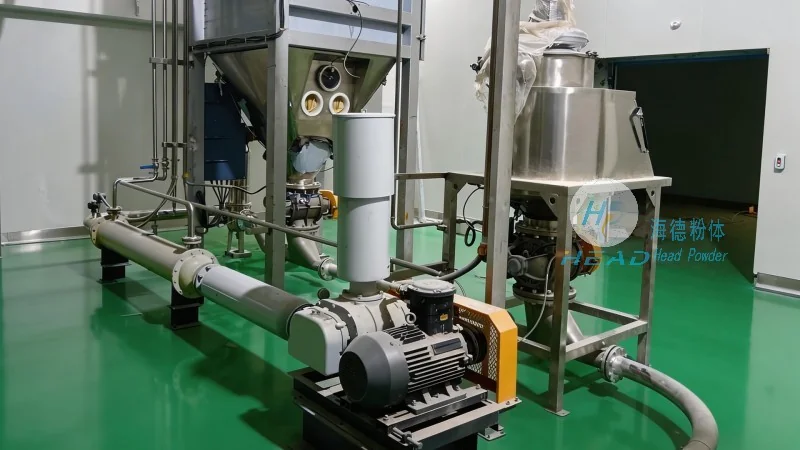
Overview of Dry Ash Material Conveying Systems
Dry ash material conveying systems are engineered to handle the transportation of fine, dry particulate materials like fly ash, bottom ash, and other industrial residues. The core components typically include a feeding mechanism, a conveying medium (often air or a combination of air and mechanical force), and a control system that regulates the flow and direction of the material. The system operates by drawing the dry ash into a pipeline through the conveying medium, which then transports the material to the desired destination. This approach eliminates the need for water-based slurry systems, reducing operational costs and environmental impact.
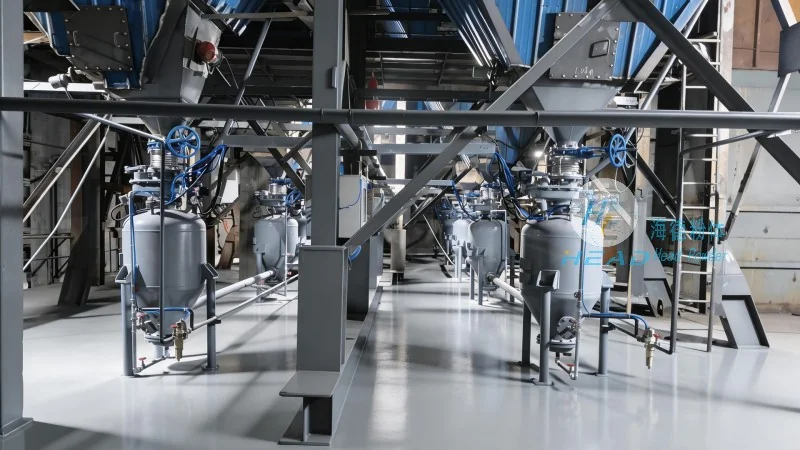
Working Principle of the Conveying Equipment
The working principle of dry ash material conveying systems revolves around the use of pneumatic or mechanical conveying technologies. In pneumatic systems, compressed air is used to create a flow that carries the dry ash particles through the pipeline. The air pressure and velocity are carefully controlled to ensure the material is transported without clogging or degradation. Mechanical systems, on the other hand, utilize rotating components like screws or belts to move the ash, often in combination with air to assist in the process. Both methods are designed to maintain the dryness of the ash, preventing clumping and ensuring consistent flow rates.
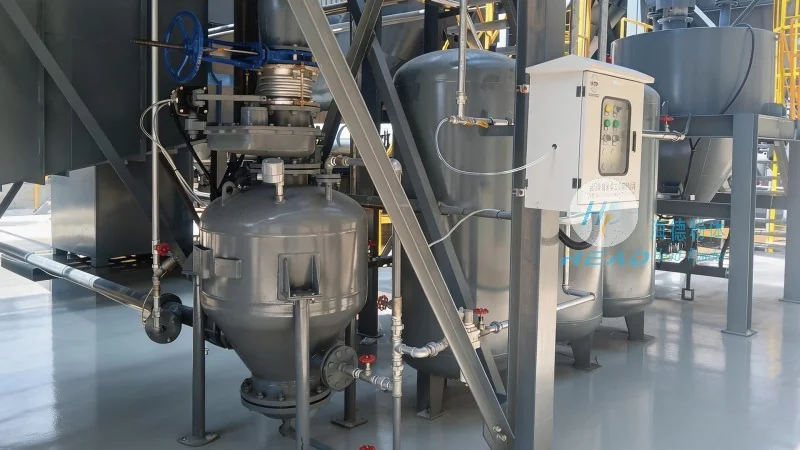
Key Characteristics in Different Working Scenes
The performance of dry ash material conveying systems is significantly influenced by the working environment. In thermal power plants, for example, the systems must handle high-temperature ash and operate in harsh, dusty conditions. The equipment is designed with corrosion-resistant materials and robust seals to withstand these challenges. In cement factories, the systems may need to transport ash with varying particle sizes and moisture content, requiring adjustable feeding mechanisms and filtration systems to maintain efficiency. The adaptability of these systems to different ash types and operating conditions is a critical factor in their effectiveness.
Application Scenarios and Operational Advantages
Dry ash material conveying systems are widely used in industrial settings where the efficient removal of ash is essential for maintaining plant operations and compliance with environmental regulations. The systems offer several advantages over traditional methods, including reduced water usage, lower transportation costs, and improved safety by eliminating the need for manual handling of ash. In addition, the systems can be integrated with other waste management processes, such as ash utilization for construction materials, enhancing the overall sustainability of the facility. The working scene characteristics, including the scale of the operation and the distance to be covered, are carefully considered during the system design to ensure optimal performance and reliability.
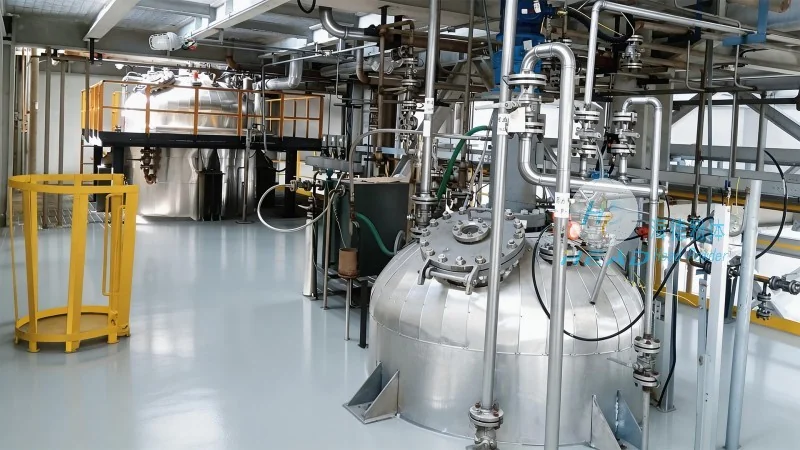
Conclusion
HeadPowder's dry ash material conveying systems exemplify advanced engineering solutions tailored to the specific needs of industrial facilities. By understanding the fundamental principles and working scene characteristics, these systems provide reliable, efficient, and environmentally friendly methods for ash transportation. As industrial operations continue to prioritize sustainability and operational efficiency, the importance of well-designed dry ash conveying systems will only grow, making them a vital component of modern waste management strategies.