

What Is a Silicon Micropowder Material Conveying Line? And What Are Its Design Principles?
Silicon micropowder material conveying lines are specialized industrial systems engineered to handle and transport fine silicon powders efficiently. These lines are crucial in various manufacturing processes where precise material handling is essential, particularly in industries such as semiconductor production, battery manufacturing, and advanced material synthesis. The design of these conveying systems must address unique challenges posed by silicon micropowders, including their fine particle size, static electricity generation, and potential for dust explosion risks. This article explores the fundamental aspects of silicon micropowder material conveying lines, focusing on their design principles and the key considerations that ensure safe and effective operation.
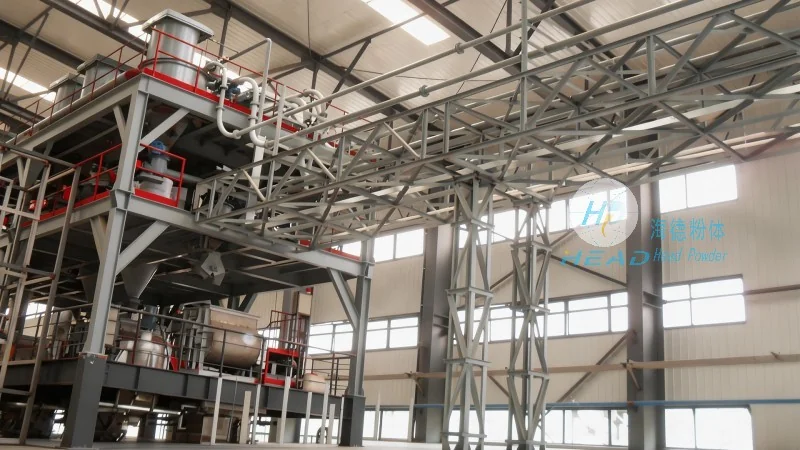
Understanding Silicon Micropowder Material Conveying Lines
A silicon micropowder material conveying line typically consists of several interconnected components designed to move powders from a source to a destination while maintaining material integrity and operational safety. The core components include a feeding system, conveying equipment (such as screw conveyors, pneumatic conveyors, or belt conveyors), a control system, and auxiliary devices like dust collectors and filtration units. Each component plays a critical role in the overall performance of the line, and their selection is based on factors like the powder's properties, the required conveying capacity, and the environmental regulations of the application.
Key Design Principles for Efficient Material Handling
The design of a silicon micropowder conveying line adheres to several fundamental principles to ensure optimal performance. First, the system must minimize particle degradation and agglomeration, which can occur due to friction or impact during transport. This is achieved through the use of smooth, non-stick surfaces and gentle conveying mechanisms, such as low-speed screw conveyors or air-assisted systems that reduce particle-to-particle and particle-to-surface contact. Second, static electricity control is paramount, as silicon powders are prone to generating static charges that can lead to dust explosions or material buildup. Design solutions include anti-static coatings, grounding systems, and ionizers integrated into the conveying equipment. Third, dust containment and filtration are critical to protect both the environment and personnel. Advanced dust collection systems, often equipped with HEPA filters, are incorporated to capture fine particles and prevent emissions. Additionally, the design must consider the material's hygroscopic nature, as moisture can affect powder flow and cause caking, necessitating dry, temperature-controlled environments.
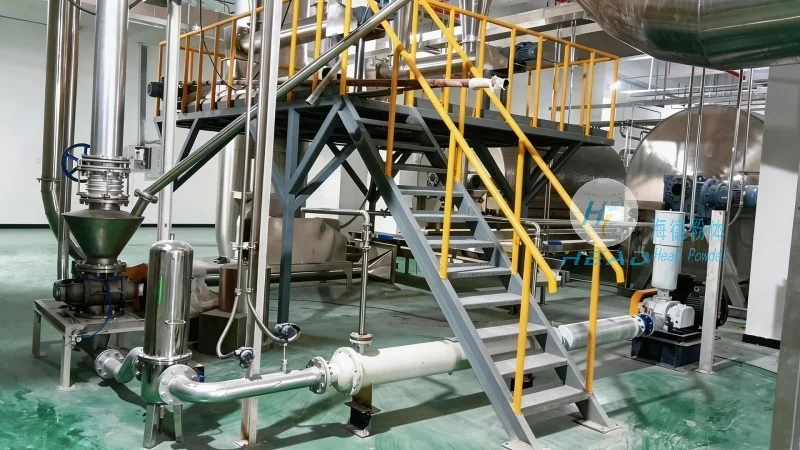
System Components and Their Functionality
Feeding systems are the starting point of a silicon micropowder conveying line, responsible for transferring the powder from storage bins or hoppers into the conveying equipment. These systems often include rotary valves or gate valves that control the flow rate and prevent backflow. The conveying equipment, such as screw conveyors or pneumatic conveyors, moves the powder through the line. Screw conveyors are ideal for horizontal or slight incline transport due to their ability to handle bulk materials with minimal air usage, while pneumatic conveyors use air pressure to transport powders in a closed system, offering flexibility for vertical or long-distance transport. The control system monitors and regulates the entire process, ensuring consistent flow rates, pressure levels, and temperature. It may include sensors for level detection, pressure monitoring, and particle size analysis, providing real-time data to operators. Auxiliary devices, such as dust collectors and filtration units, are essential for maintaining air quality and preventing dust accumulation in the system. These components work together to create a closed-loop system that minimizes material loss and environmental impact.
Ensuring Safety and Compliance in Design
Safety is a top priority in the design of silicon micropowder conveying lines, given the inherent risks associated with fine powders. The system must comply with international safety standards, such as those from the National Fire Protection Association (NFPA) or the European Union's ATEX directive, which address dust explosion prevention. Design features include explosion-proof motors, spark-proof components, and automatic shut-off mechanisms triggered by pressure or temperature spikes. Additionally, the system is designed to prevent material buildup, which can lead to blockages or fires. Regular maintenance and cleaning protocols are integrated into the design to ensure long-term safety and reliability. The use of corrosion-resistant materials, such as stainless steel or special coatings, is also common to withstand the abrasive nature of silicon powders and the potential for moisture exposure.
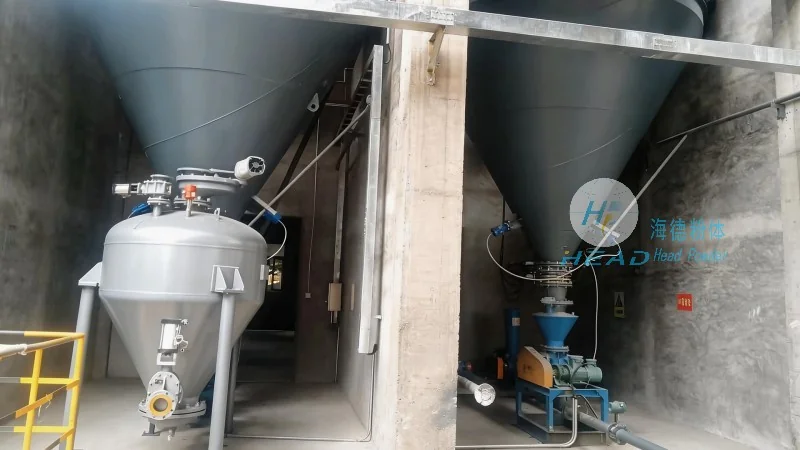
Application-Specific Design Considerations
The design of a silicon micropowder conveying line is tailored to the specific application, as different industries have varying requirements. For example, in semiconductor manufacturing, the line must handle ultra-fine powders with strict purity standards, requiring high-efficiency filtration and contamination control. In battery production, the line may need to transport powders at high temperatures or under inert gas environments to prevent oxidation. The design also considers the scale of operation, with large-scale systems requiring higher conveying capacities and more robust components. Customization is often necessary to meet the unique needs of each client, ensuring that the system is optimized for their production processes. Shandong HeadPowder Engineering Co., Ltd., a leading manufacturer in this field, specializes in designing and manufacturing such customized conveying lines, leveraging years of experience in handling silicon micropowders and adhering to the highest safety and quality standards.
Conclusion: The Importance of Proper Design
Silicon micropowder material conveying lines are complex systems that require careful consideration of material properties, safety, and operational efficiency. The design principles outlined above ensure that these lines can handle fine powders safely and effectively, supporting the needs of various industries. By integrating advanced technology and adhering to strict safety standards, manufacturers like Shandong HeadPowder Engineering Co., Ltd. provide reliable solutions that enhance productivity and reduce risks. As the demand for silicon micropowders continues to grow, the importance of well-designed conveying systems cannot be overstated, as they are critical to the success of modern manufacturing processes.