

What is a Calcium Carbonate Material Conveying Line? What are the Design Principles?
Calcium carbonate is a widely used industrial material, and the efficient transportation of this material is crucial for many production processes. A calcium carbonate material conveying line, also known as a calcium carbonate handling system, is a specialized setup designed to move calcium carbonate from its source to processing or storage locations. This system integrates various components to ensure the safe, reliable, and efficient transfer of the material, which is essential for maintaining production efficiency and product quality.
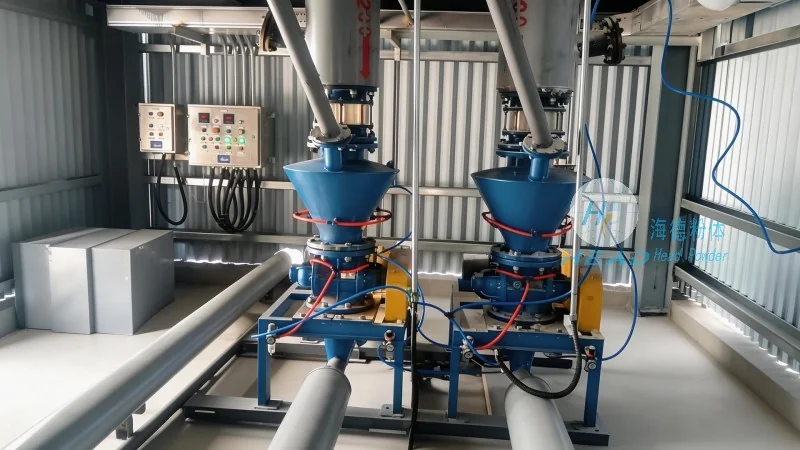
Understanding the Core Components of a Calcium Carbonate Conveying Line
The design of a calcium carbonate material conveying line typically involves several key components that work in tandem to facilitate material movement. These components may include feed hoppers, conveyors (such as belt conveyors, screw conveyors, or pneumatic conveyors), control systems, and sometimes dust collection equipment. The choice of components depends on factors like the material's characteristics, the distance to be covered, and the desired throughput. For example, if the material is fine and dusty, a pneumatic conveying system might be more suitable to minimize dust dispersion and ensure clean handling. Conversely, for bulkier or larger particles, mechanical conveyors like belt or screw conveyors are often preferred due to their robustness and ability to handle higher volumes.
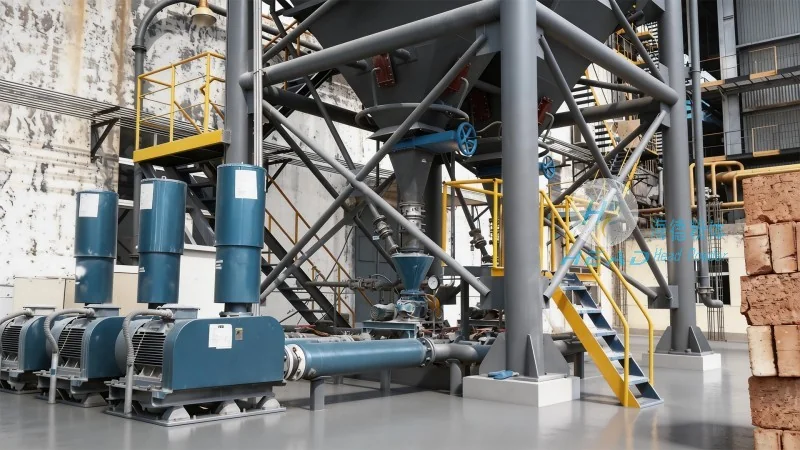
Design Principles for Optimal Performance in Calcium Carbonate Handling
The design principles of a calcium carbonate material conveying line are centered on ensuring efficiency, reliability, and safety. One of the primary principles is to minimize material degradation and loss during transport. This involves selecting appropriate equipment that can handle the material's physical properties without causing breakage or segregation. For instance, smooth surfaces and gentle curves in the conveyor system help prevent particle attrition, which is critical for maintaining the material's quality for downstream applications. Another key principle is to ensure consistent flow and avoid blockages. Properly sized and positioned feed hoppers and conveyors, along with effective control mechanisms, help maintain a steady flow rate, preventing bottlenecks that could lead to system downtime.
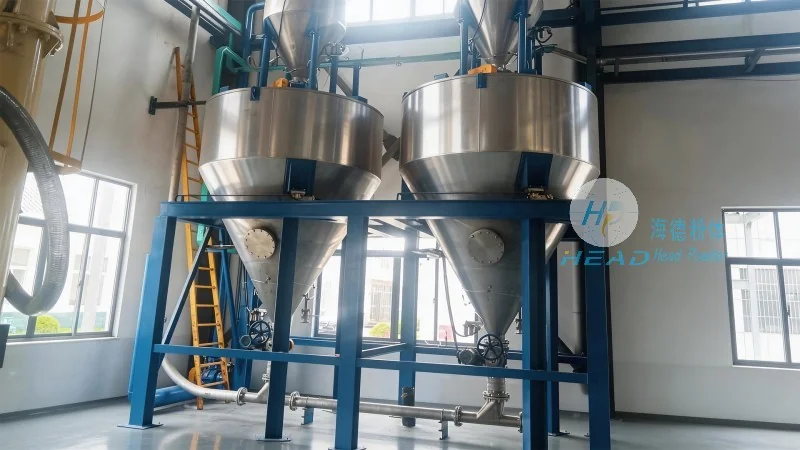
HeadPowder's Expertise in Calcium Carbonate Material Conveying Solutions
Shandong HeadPowder Engineering Co., Ltd., a leading provider of material handling solutions, specializes in designing and manufacturing calcium carbonate material conveying lines tailored to the specific needs of industrial clients. With a focus on innovation and customer-centric design, HeadPowder's engineers work closely with clients to understand their production requirements and material characteristics. The company's approach involves thorough analysis of the material's properties, such as particle size distribution, moisture content, and flowability, to select the most appropriate conveying technology. By leveraging advanced engineering techniques and high-quality materials, HeadPowder ensures that its conveying systems are durable, efficient, and capable of handling the demands of calcium carbonate processing. The company's commitment to quality and reliability has made it a trusted partner for many industries relying on calcium carbonate, including the chemical, pharmaceutical, and food sectors.
Key Considerations for Selecting a Calcium Carbonate Conveying Line
When selecting a calcium carbonate material conveying line, several factors must be considered to ensure the system meets operational and production goals. First, the material's physical characteristics are paramount. Fine, powdery calcium carbonate may require specialized equipment to prevent dust accumulation and ensure smooth transport, while coarser materials might benefit from mechanical conveyors that can handle higher loads. Second, the distance and layout of the conveying path influence the choice of equipment. Short distances might allow for simpler systems, while longer routes may necessitate more complex setups with multiple conveyors or transfer points. Third, operational efficiency and maintenance costs are critical considerations. A well-designed system should balance initial investment with long-term operational costs, ensuring that the conveying line provides consistent performance with minimal downtime. Additionally, safety features, such as dust suppression systems and emergency stop mechanisms, are essential to protect both personnel and equipment during operation.

Conclusion: The Importance of a Well-Designed Calcium Carbonate Conveying Line
In conclusion, a calcium carbonate material conveying line is a vital component of many industrial processes, and its design principles play a crucial role in ensuring optimal performance. By integrating appropriate components and adhering to key design principles, such as minimizing material degradation and ensuring consistent flow, these systems can efficiently transport calcium carbonate while maintaining product quality. Companies like Shandong HeadPowder Engineering Co., Ltd. play a significant role in providing tailored solutions that meet the specific needs of clients, helping them achieve their production goals efficiently and reliably. The careful consideration of material properties, operational requirements, and safety standards is essential when selecting or designing a calcium carbonate conveying line, as it directly impacts the overall effectiveness and longevity of the system.