

Principles and Working Scene Characteristics of Biomass Material Handling System Equipment
Biomass material handling systems play a crucial role in modern industrial and agricultural operations, facilitating the efficient transport of organic materials such as wood chips, agricultural residues, and other renewable resources. These systems are designed to optimize material flow, reduce labor costs, and enhance overall operational efficiency in various processing facilities. The core components and operational principles of such systems are tailored to handle diverse biomass types, ensuring reliable and consistent performance under different working conditions.
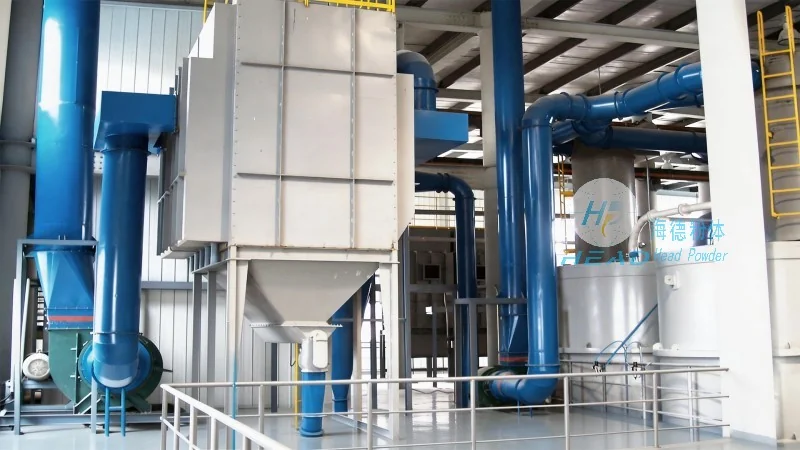
Understanding the Core Principles of Biomass Material Handling Systems
The fundamental principles of biomass material handling systems revolve around the mechanics of material transport, storage, and processing. Key components typically include feeders, conveyors, and processing units, each engineered to handle specific material characteristics. For instance, belt conveyors are widely used for horizontal or slight incline transport due to their high load capacity and low friction, while screw conveyors excel in vertical or inclined applications, providing precise control over material movement. The system's design also incorporates material handling accessories like hoppers, chutes, and gates, which regulate the flow and direction of biomass. Additionally, advanced systems may integrate sensors and control mechanisms to monitor and adjust operational parameters in real-time, ensuring optimal performance and minimizing downtime.
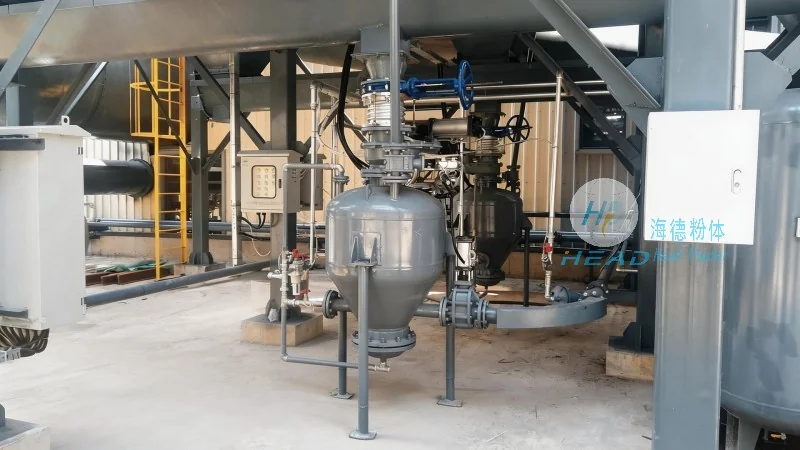
Key Working Scene Characteristics of Biomass Material Handling Equipment
The working scene characteristics of biomass material handling systems vary significantly based on the application and environment. In industrial settings, such as biomass power plants or biofuel production facilities, these systems must handle large volumes of raw materials with high throughput rates. The equipment is designed for continuous operation, often operating 24/7 to meet production demands. Environmental factors, including temperature fluctuations and moisture content, are also critical considerations, as they can affect material properties and system performance. In agricultural applications, like processing crop residues or animal feed, the systems need to accommodate irregularly shaped and varying moisture levels, requiring flexible and robust design solutions. Furthermore, the integration of safety features, such as emergency stop mechanisms and overload protection, is essential to ensure operational safety in diverse working environments.
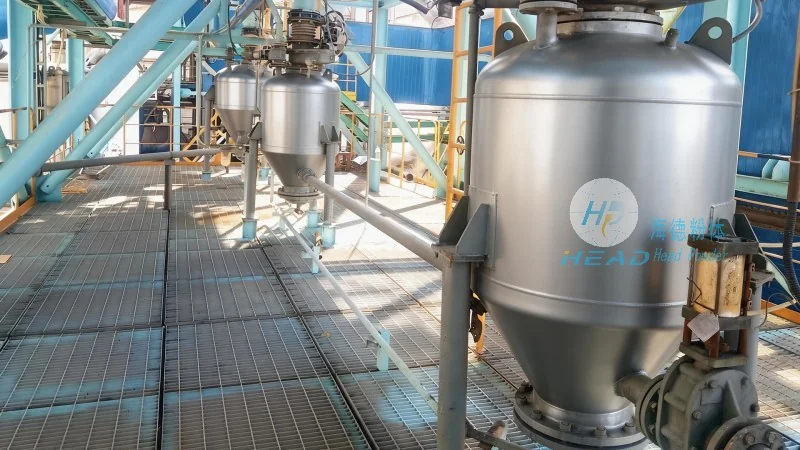
Company Profile: Shandong HeadPowder Engineering Co., Ltd.
HeadPowder, the professional manufacturer of biomass material handling systems, is headquartered in Shandong, China. With a commitment to innovation and quality, the company specializes in designing and manufacturing customized solutions for biomass processing industries. The company's facilities and technical expertise enable it to deliver reliable equipment that meets the specific needs of clients across various sectors. By combining advanced engineering principles with practical application experience, HeadPowder ensures that its biomass material handling systems are efficient, durable, and adaptable to different working scenarios. The company's focus on customer satisfaction and long-term partnerships has established it as a trusted provider in the biomass processing equipment market.
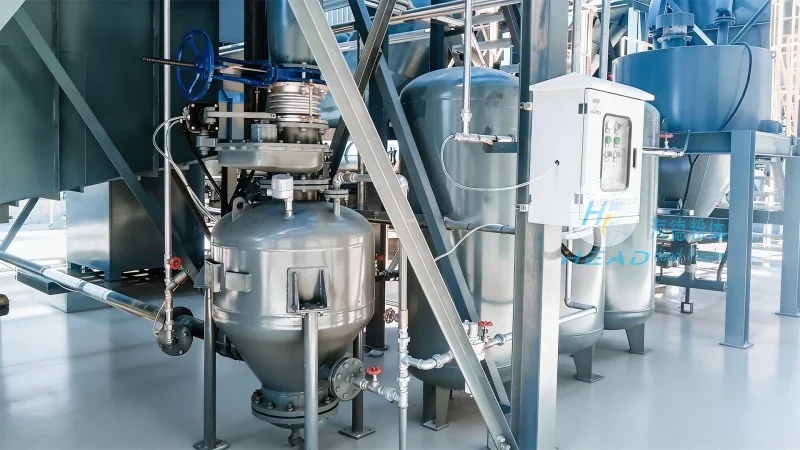
Through continuous research and development, HeadPowder remains at the forefront of biomass material handling technology, offering solutions that enhance operational efficiency and sustainability in biomass utilization. The company's products are designed to support the transition to renewable energy sources and sustainable practices, contributing to a greener future for industrial and agricultural operations worldwide.