

What is Lime Material Handling Equipment? And What Are Its Design Principles?
Lime material handling equipment is essential in various industrial sectors, particularly for the efficient transportation, storage, and processing of lime—a versatile chemical widely used in construction, water treatment, and environmental applications. Understanding the equipment designed for lime material handling, along with its underlying design principles, is crucial for optimizing operational efficiency and ensuring safety in industrial settings. This article provides a comprehensive overview of lime material handling equipment, focusing on its design principles and the key factors that influence its performance.
Introduction to Lime Material Handling Equipment
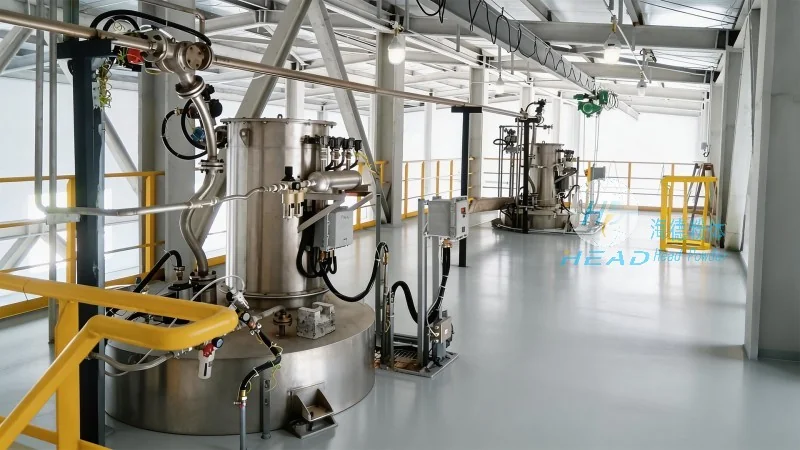
Lime material handling equipment encompasses a range of machinery and systems engineered to handle the unique properties of lime, such as its abrasive nature, moisture sensitivity, and variable particle sizes. Common types of equipment include conveyors, feeders, storage silos, and loading/unloading systems. These systems are integral to industries like cement production, steel manufacturing, and water treatment, where lime serves as a critical raw material or processing agent. The equipment is tailored to address the challenges of handling lime, ensuring consistent flow, preventing blockages, and maintaining material integrity throughout the process.
Design Principles of Lime Material Handling Equipment
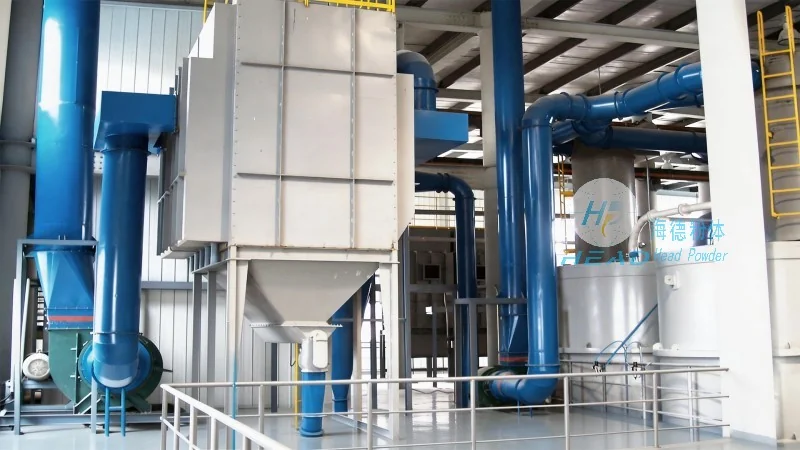
The design of lime material handling equipment is guided by several critical principles to ensure durability, efficiency, and safety. First, the equipment must be constructed from materials capable of withstanding the abrasive and corrosive effects of lime, minimizing wear and extending service life. High-quality stainless steel, alloy steel, or specialized coatings are often employed for components in direct contact with the material. Second, moisture sensitivity is a key consideration, as lime can clump or degrade when exposed to moisture. This is mitigated through sealed or enclosed systems, moisture-resistant materials, and proper ventilation to prevent moisture buildup. Third, the design must accommodate varying particle sizes of lime, ensuring consistent flow and preventing clogging. Adjustable feeders, variable-speed conveyors, and specialized hoppers are used to manage different particle distributions. Fourth, safety is paramount, with features like emergency stop buttons, protective guards, and monitoring systems to prevent accidents and comply with industrial safety standards. Additionally, energy efficiency is prioritized to reduce operational costs and environmental impact, achieved through energy-efficient motors, optimized conveyor speeds, and efficient material flow management.
Key Components and Their Functions
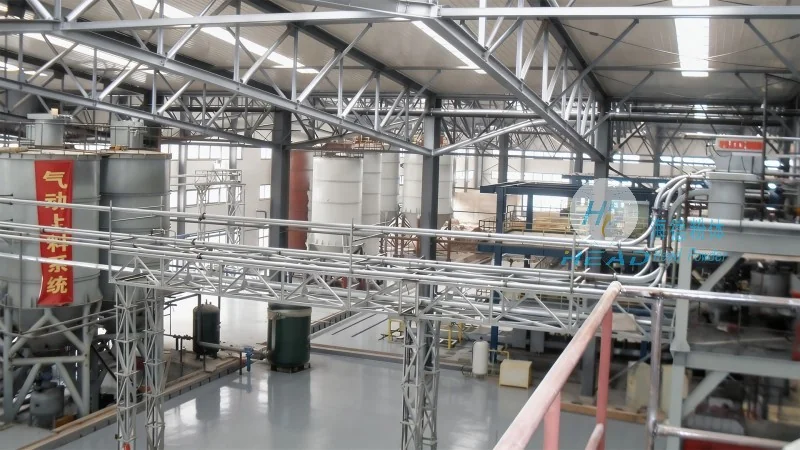
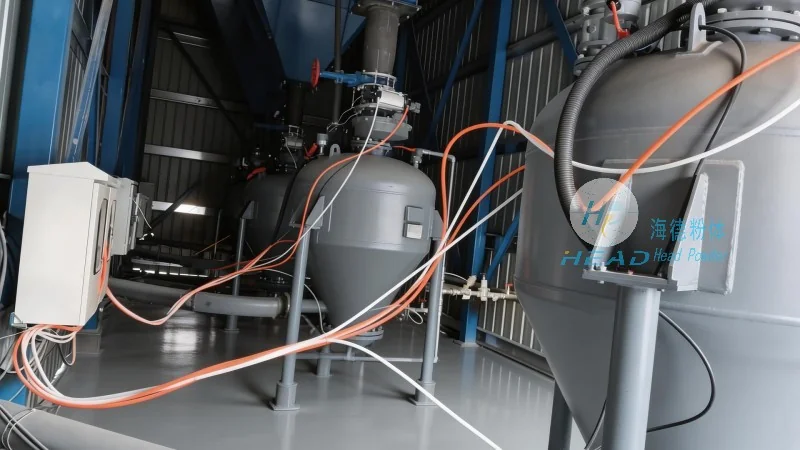
Several key components are integral to the effective operation of lime material handling equipment. Conveyors, such as belt, screw, or pneumatic types, are responsible for transporting lime horizontally, vertically, or at inclines. Belt conveyors are common for horizontal transport, while screw conveyors excel at vertical or inclined movement due to their ability to handle diverse materials. Pneumatic conveyors use air pressure to move fine powders or dust, making them suitable for handling lime in powder form. Feeders regulate the flow rate of lime into the system, with options like volumetric or gravimetric feeders providing precise control. Storage silos, typically made of steel or concrete, store large quantities of lime, equipped with aeration systems to prevent clumping and moisture buildup. Loading and unloading systems facilitate the transfer of lime from trucks or railcars to the processing plant, using hoppers, chutes, and conveyor systems. Each component is designed to work in harmony, ensuring smooth and efficient material handling.
Applications and Industry Impact
Lime material handling equipment is widely utilized across industries, directly impacting production efficiency and product quality. In the cement industry, lime is a primary raw material for clinker and cement production. The equipment ensures a consistent supply of lime to the kiln, optimizing the production process. In steel manufacturing, lime acts as a flux to remove impurities from molten steel; the equipment transports lime to the furnace, enhancing steel quality. In water treatment, lime adjusts pH and removes contaminants, with the equipment delivering lime to treatment plants for improved water quality. Efficient operation of lime material handling equipment reduces downtime, minimizes material loss, and improves cost-effectiveness. It directly supports industrial productivity and safety, contributing to the overall success of these sectors.
Conclusion
In summary, lime material handling equipment is a vital asset for industries relying on lime as a key component. Its design adheres to principles of durability, moisture resistance, material handling, and safety, with components like conveyors, feeders, and silos working together to ensure efficient operation. The equipment is integral to sectors such as cement, steel, and water treatment, improving production efficiency and product quality. The Shandong HeadPowder Engineering Co., Ltd., a leading manufacturer of lime material handling equipment, specializes in providing high-quality, reliable solutions tailored to industrial needs. With a focus on durability, efficiency, and safety, HeadPowder's equipment optimizes operational performance and ensures long-term reliability. The company's commitment to quality and innovation has established it as a trusted partner for industries worldwide, enhancing the safety and efficiency of lime material handling processes.