

What is a High-Pressure Pulse Material Handling Equipment? What are its Design Principles?
High-pressure pulse material handling equipment is a specialized industrial device designed to transport bulk materials efficiently and reliably. This equipment is widely used in various industries, including chemical, food processing, and pharmaceuticals, where the transportation of powders, granules, and other particulate materials is critical. The core function of this equipment is to deliver materials through a pipeline system using a high-pressure pulse mechanism, ensuring consistent flow and minimizing material degradation. Developed by Shandong HeadPowder Engineering Co., Ltd., a leading manufacturer in the field, this equipment represents a significant advancement in material handling technology.
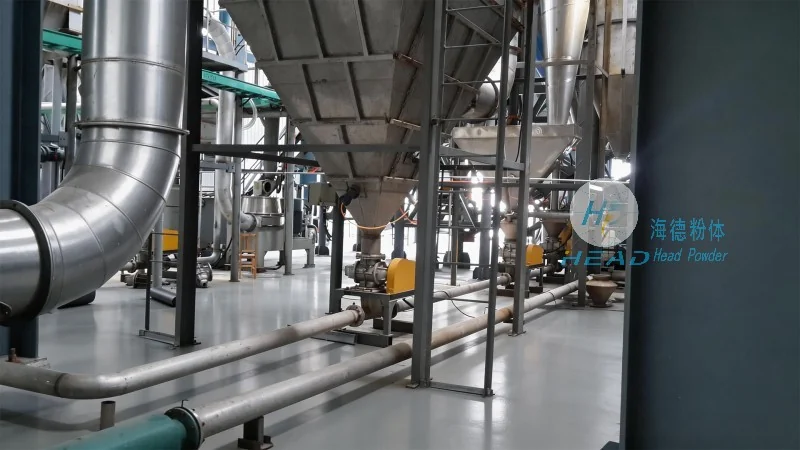
Key Features of High-Pressure Pulse Material Handling Equipment
One of the primary advantages of high-pressure pulse material handling equipment is its ability to handle a wide range of materials, from fine powders to larger granules. The equipment operates by creating a high-pressure pulse that propels the material through the pipeline, reducing the need for mechanical components like augers or screws that can cause wear and tear. This design also minimizes material segregation and ensures a uniform flow rate, which is essential for processes that require precise material control. The equipment is constructed with high-quality materials, such as stainless steel or corrosion-resistant alloys, to ensure durability and longevity in demanding industrial environments.
Design Principles of High-Pressure Pulse Material Handling Equipment
The design of high-pressure pulse material handling equipment is based on several fundamental principles to ensure optimal performance. The most critical component is the pulse generator, which produces the high-pressure pulses that drive the material. This generator typically uses a pump system that can deliver pressures ranging from 5 to 20 bar, depending on the application. The pipeline system is constructed from materials such as stainless steel or polyethylene, which are resistant to corrosion and can withstand the high pressures involved. Additionally, the equipment includes a control system that regulates the pulse frequency and pressure, allowing operators to adjust the flow rate according to the specific requirements of the process. The control system may include sensors and feedback mechanisms to monitor the pressure and flow rate in real-time, ensuring consistent operation.
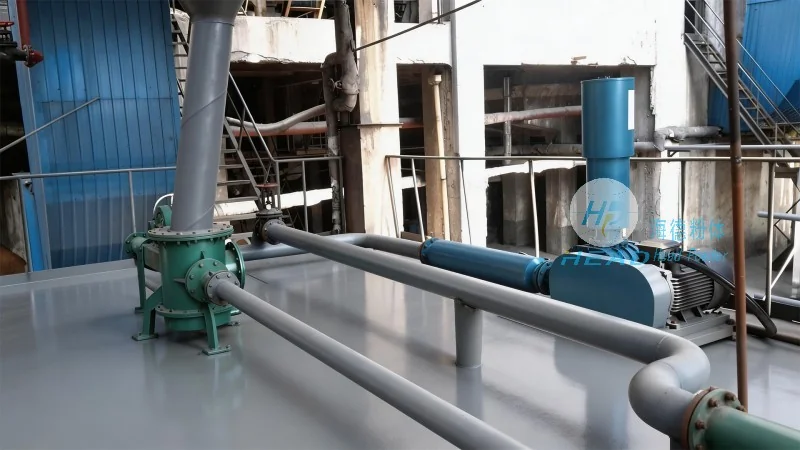
How High-Pressure Pulse Material Handling Equipment Works
The operation of high-pressure pulse material handling equipment involves a sequence of steps that ensure efficient material transport. First, the material is fed into the inlet of the equipment, where it is mixed with a carrier gas or liquid, if necessary. The high-pressure pulse then propels the material through the pipeline, moving it from the inlet to the outlet. The pulse frequency can be adjusted to control the flow rate, with higher frequencies resulting in a faster flow rate. The equipment also includes a pressure relief valve to prevent over-pressurization and a filter to remove any debris or contaminants from the material. The filter is typically made of a fine mesh or porous material to trap particles and prevent them from entering the downstream process.
Applications of High-Pressure Pulse Material Handling Equipment
High-pressure pulse material handling equipment is used in a variety of applications where traditional conveying methods are not suitable. For example, in the chemical industry, it is used to transport reactive powders and granules that are sensitive to moisture or heat. In the food industry, it is used to transport ingredients such as flour, sugar, and spices, where hygiene and contamination control are paramount. The equipment is also used in the pharmaceutical industry to transport active pharmaceutical ingredients (APIs) and other sensitive materials, where precision and consistency are critical. Additionally, it is used in the mining and construction industries to transport bulk materials like sand, gravel, and coal.
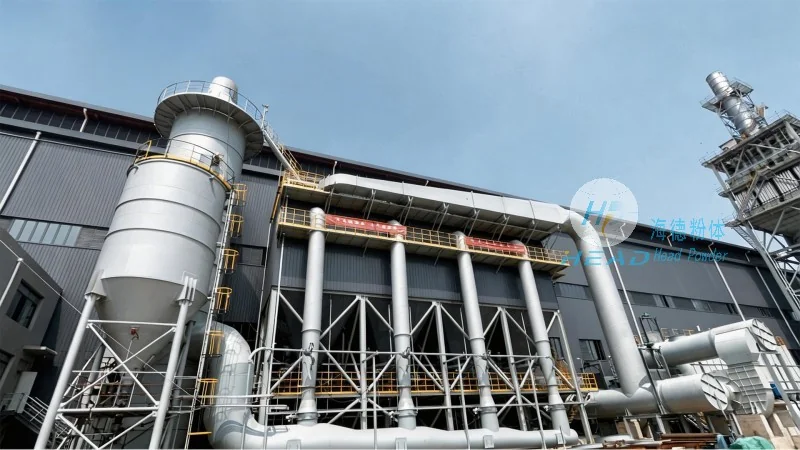
Advantages of Using High-Pressure Pulse Material Handling Equipment
There are several advantages to using high-pressure pulse material handling equipment over traditional conveying methods. One of the main advantages is its ability to handle a wide range of materials, including those that are difficult to transport using other methods. The equipment is also more energy-efficient than traditional methods, as it uses less power to transport the material. Additionally, the equipment is more reliable and requires less maintenance, as it has fewer moving parts. This reliability and efficiency are hallmarks of the products offered by Shandong HeadPowder Engineering Co., Ltd., which has built a reputation for delivering high-quality, durable equipment that meets the needs of its customers. The company’s commitment to quality and innovation has made its equipment a preferred choice for industries worldwide.
Conclusion
High-pressure pulse material handling equipment is a versatile and efficient solution for transporting bulk materials in various industrial applications. The design principles and features of this equipment make it an ideal choice for industries that require precise material control and minimal material degradation. With its ability to handle a wide range of materials and its energy-efficient operation, this equipment is a valuable asset for any industrial process. Shandong HeadPowder Engineering Co., Ltd. continues to lead the way in developing advanced material handling solutions, ensuring that its customers have access to the best technology available in the market.