

What is a Calcined Gypsum Powder Handling Equipment? What Are Its Design Principles?
HeadPowder, a leading enterprise in the field of powder handling technology, specializes in providing advanced solutions for the transportation and processing of calcined gypsum. This article aims to explore the fundamental aspects of calcined gypsum powder handling equipment, including its design principles and operational characteristics.
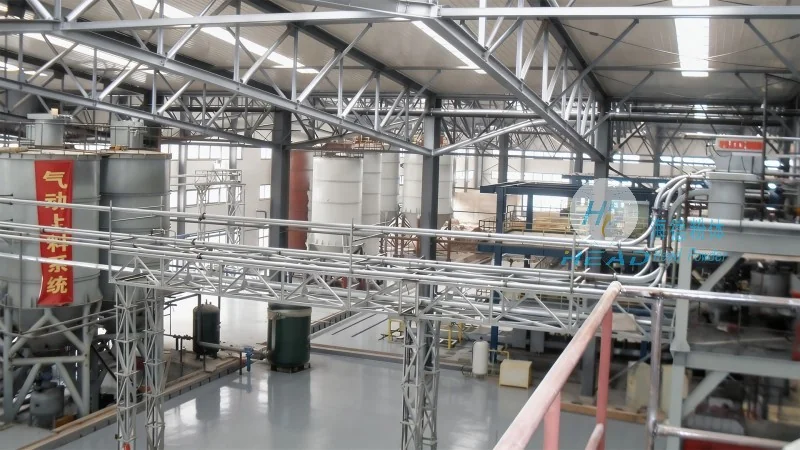
Introduction to Calcined Gypsum Powder Handling Equipment
Calcined gypsum, also known as plaster of Paris, is a widely used building material derived from gypsum through a calcination process. Its fine powder form necessitates specialized equipment for efficient handling, storage, and transportation. The calcined gypsum powder handling equipment is engineered to manage the unique properties of this material, such as its hygroscopic nature and potential for dust generation, ensuring safe and reliable operation in industrial settings.
Key Components and Design Principles
The design of calcined gypsum powder handling equipment is centered around several critical principles to address the material's characteristics. First, the equipment must ensure minimal dust generation to maintain a safe working environment and comply with industrial safety standards. This is achieved through the use of enclosed systems, airtight hoppers, and efficient dust collection mechanisms. Second, the equipment is designed to handle the material's flowability, which can be influenced by moisture content and particle size. To optimize flow, the design incorporates features like agitators, vibrators, and inclined chutes to prevent caking and blockages.
Third, the equipment is constructed with materials that are resistant to corrosion and chemical reactions, as calcined gypsum can be slightly acidic and may cause wear on certain components. Stainless steel and corrosion-resistant alloys are commonly used in the construction of hoppers, conveyors, and other critical parts. Additionally, the design prioritizes energy efficiency and operational reliability, with features like variable speed drives and automated control systems to enhance performance and reduce maintenance costs.
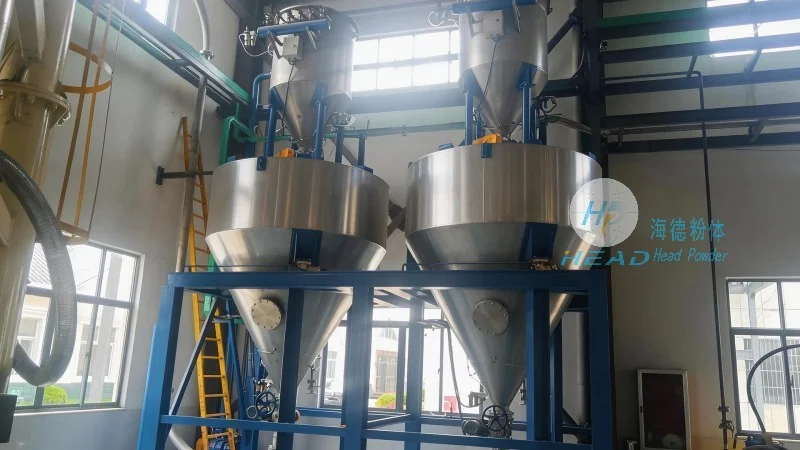
Operational Mechanisms and Applications
The operational mechanisms of calcined gypsum powder handling equipment typically involve a combination of storage, feeding, conveying, and discharging components. The process usually begins with the storage of calcined gypsum in a large hopper, where the material is held under controlled conditions to prevent moisture absorption. From the hopper, the material is fed into a conveyor system, which may include screw conveyors, pneumatic conveyors, or bucket elevators, depending on the specific application and material characteristics.
Pneumatic conveyors are particularly effective for calcined gypsum due to their ability to handle fine powders over long distances with minimal dust dispersion. These systems use air pressure to transport the material through a network of pipes, ensuring a clean and efficient transfer. The conveying system is equipped with filters and cyclones to separate any entrained air and collect fine particles, maintaining a dust-free environment. In industrial applications, such as in the production of gypsum boards or plaster products, the equipment is integrated into larger production lines, where the calcined gypsum is used as a raw material.
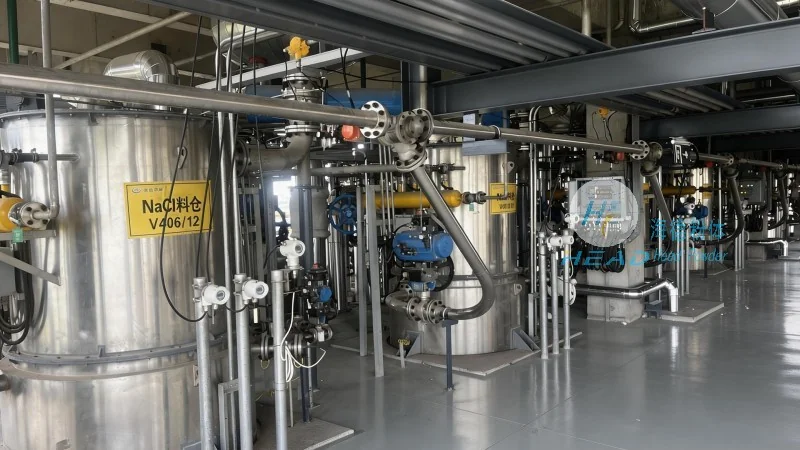
Advantages and Considerations for Calcined Gypsum Handling
Using specialized calcined gypsum powder handling equipment offers several advantages over traditional methods. The enclosed design minimizes dust exposure, protecting both personnel and the environment. The efficient conveying systems reduce material loss and improve overall material utilization rates. Additionally, the automated control systems enhance operational consistency and reduce the need for manual intervention, leading to lower labor costs and increased productivity.
However, there are considerations to keep in mind when selecting and operating such equipment. The hygroscopic nature of calcined gypsum means that moisture control is crucial to prevent caking and maintain material quality. Proper sealing and moisture-proofing of the equipment are essential to ensure stable performance. Furthermore, regular maintenance is required to keep the equipment in optimal condition, as the fine powder can cause wear on moving parts and require frequent cleaning of filters and other components.
Conclusion
Calcined gypsum powder handling equipment is a critical component in industrial processes that rely on this versatile material. The design principles, which prioritize dust control, efficient flow management, and material compatibility, ensure that the equipment operates safely and effectively. As a leading provider of powder handling solutions, Shandong HeadPowder Engineering Co., Ltd. continues to innovate and refine these technologies to meet the evolving needs of the industry, providing reliable and efficient equipment for the handling of calcined gypsum.