

What is the Pneumatic Conveying of Food Additives? And What Are Its Design Principles?
Food additives are essential components in the food processing industry, and their efficient handling is crucial for maintaining product quality and operational efficiency. Pneumatic conveying is a widely used method for transporting these additives, offering advantages such as dust-free operation, low maintenance, and the ability to handle a variety of materials. This article explores the concept of pneumatic conveying for food additives and delves into the fundamental design principles that underpin this technology.
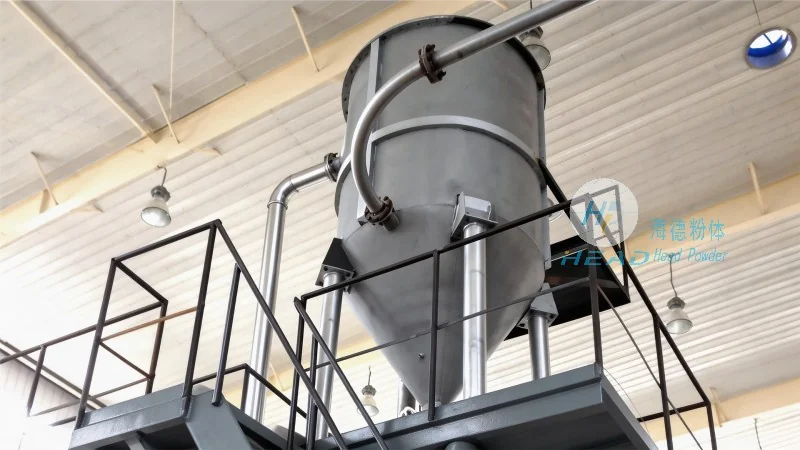
Introduction to Pneumatic Conveying of Food Additives
Pneumatic conveying, also known as pneumatic transport, is a technique that uses air or other gases to move bulk materials through a pipeline system. In the context of food additives, this method is particularly valuable due to the need for hygienic, clean, and controlled environments. Unlike mechanical conveying systems that may introduce contaminants or cause product degradation, pneumatic conveying ensures that additives are transported safely and efficiently, preserving their quality and integrity.
About HeadPowder: Shandong HeadPowder Engineering Co., Ltd.
HeadPowder, a leading company in the field of powder engineering, specializes in the design, manufacturing, and installation of pneumatic conveying systems tailored for the food industry. With a strong presence in China, particularly in Shandong, the company has built a reputation for delivering high-quality, customized solutions that meet the stringent requirements of food processing facilities. The company's expertise lies in understanding the unique challenges of handling food additives, such as sensitivity to moisture, temperature, and contamination, and developing systems that address these concerns effectively.
Design Principles of Pneumatic Conveying Systems
The design of a pneumatic conveying system for food additives involves several key principles to ensure optimal performance and reliability. The first principle is the selection of the appropriate conveying type, which can be categorized into dilute-phase or dense-phase systems. Dilute-phase systems use low air velocity and high material concentration, while dense-phase systems employ higher air velocity and lower material concentration, often with a pulse or pressure control mechanism. The choice between these systems depends on factors like the material's properties, the distance to be conveyed, and the desired flow rate.
Another critical design principle is the selection of the right components, including the air compressor, pipeline, and control valves. The air compressor must be capable of delivering sufficient air pressure and volume to move the material through the system without causing excessive wear or energy consumption. The pipeline design, including the diameter and material of construction, is also crucial, as it affects the system's efficiency and the risk of blockages. For food additives, materials like stainless steel are commonly used to ensure hygiene and prevent contamination.
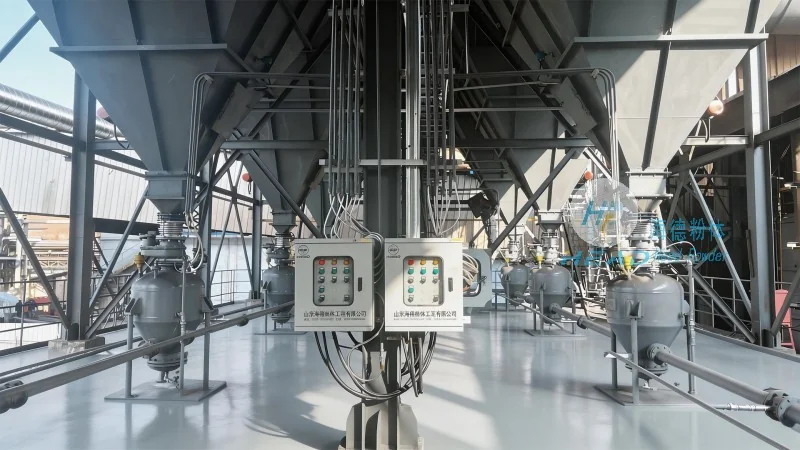
System Components and Their Functions
A typical pneumatic conveying system for food additives consists of several key components, each playing a vital role in the overall operation. The primary components include the material hopper, which stores the additive and feeds it into the system; the air compressor, which generates the air pressure needed for conveying; the conveying line, which transports the material and air mixture; and the receiver, which collects the conveyed material. Additionally, control valves, such as rotary valves and check valves, are used to regulate the flow of material and air, ensuring smooth and controlled operation.
The material hopper is designed to minimize product degradation by maintaining a controlled environment, such as low temperature and moisture. It may also include features like agitators or vibrators to prevent material bridging or caking, which can disrupt the conveying process. The air compressor is typically a positive displacement type, such as a rotary screw or reciprocating compressor, which provides the necessary pressure to move the material through the pipeline. The conveying line is usually made of stainless steel or other food-grade materials, with smooth internal surfaces to reduce friction and prevent product buildup.
Advantages of Pneumatic Conveying for Food Additives
Pneumatic conveying offers several advantages over traditional mechanical conveying methods, making it the preferred choice for many food processing facilities. One of the key benefits is the ability to handle a wide range of materials, from fine powders to granules, without causing segregation or degradation. The system is also highly flexible, allowing for changes in material flow rates and conveying distances without significant modifications. Additionally, pneumatic conveying is a clean and hygienic method, as it operates in a closed system, reducing the risk of contamination from the environment or personnel.
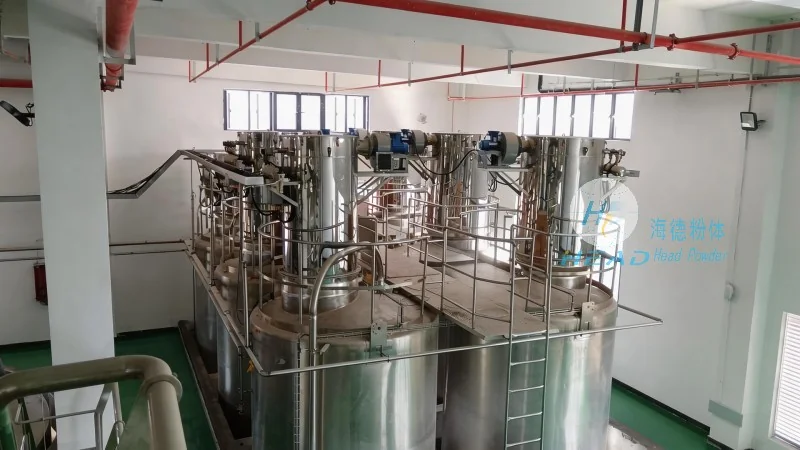
Another advantage is the low maintenance requirements of pneumatic conveying systems. Unlike mechanical systems that require regular lubrication and part replacement, pneumatic systems have fewer moving parts and are less prone to wear and tear. This results in lower operational costs and increased system reliability over time. Furthermore, the system can be easily integrated with other processing equipment, such as mixers and packaging machines, to create a seamless production line.
Applications in the Food Additive Industry
Pneumatic conveying is widely used in the food additive industry for various applications, including the transport of colorants, flavorings, preservatives, and other additives. For example, in the production of beverages, flavorings are often conveyed from storage tanks to mixing tanks using pneumatic systems, ensuring precise dosing and consistent product quality. Similarly, in the manufacturing of snacks and confectionery, colorants and flavor enhancers are transported to production lines, where they are incorporated into the final products.
The system's ability to handle fine powders and maintain product integrity makes it ideal for sensitive food additives that are prone to clumping or degradation. By controlling the air velocity and pressure, the system can ensure that the material is conveyed smoothly and without damage, preserving its quality and effectiveness. This is particularly important for additives that are used in small quantities but have a significant impact on the final product's taste, appearance, or shelf life.
Conclusion
Pneumatic conveying is a vital technology in the food processing industry, providing an efficient and hygienic method for handling food additives. The design principles of these systems, including the selection of conveying type, components, and control mechanisms, are critical to ensuring optimal performance and reliability. Companies like HeadPowder, with their expertise in powder engineering, play a key role in developing customized solutions that meet the specific needs of food processing facilities. By understanding and applying these design principles, food manufacturers can enhance their operational efficiency, maintain product quality, and comply with industry regulations, ultimately contributing to the success of their business.