

What is Lithium Hexafluorophosphate Pneumatic Conveying? Design Principles Explained
HeadPowder, a leading provider in the field of material handling solutions, specializes in advanced pneumatic conveying systems. This article delves into the concept of lithium hexafluorophosphate (LiPF₆) pneumatic conveying, exploring its design principles and the technical aspects that make it an efficient method for transporting this critical material.
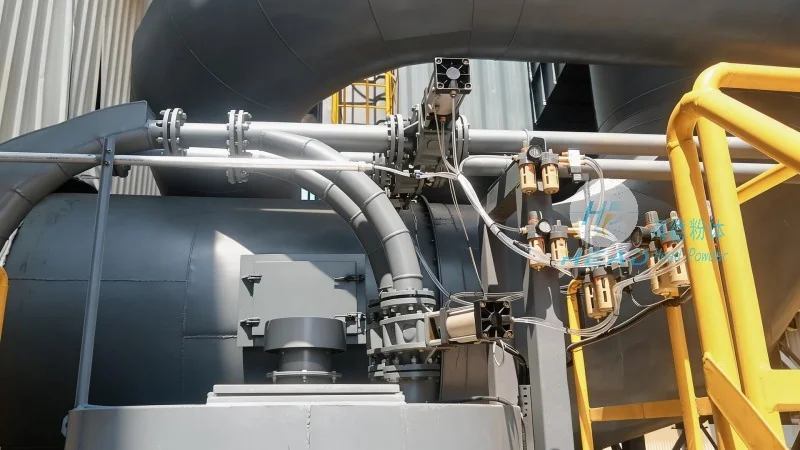
Introduction to Lithium Hexafluorophosphate Pneumatic Conveying
Lithium hexafluorophosphate (LiPF₆) is a widely used lithium salt in the production of lithium-ion batteries, known for its high ionic conductivity and stability. Pneumatic conveying is a technique that uses compressed air to transport bulk materials like LiPF₆ from one location to another. This method offers advantages such as minimal product contamination, low maintenance requirements, and the ability to handle sensitive materials without mechanical contact. At Shandong HeadPowder Engineering Co., Ltd., we have extensive experience in designing and implementing such systems tailored to the specific needs of the battery manufacturing industry.
Design Principles of Lithium Hexafluorophosphate Pneumatic Conveying Systems
The design of a LiPF₆ pneumatic conveying system involves several key principles to ensure efficient and safe operation. First, the system must be designed to handle the material's physical properties, including its particle size, density, and flow characteristics. LiPF₆ particles are typically fine and can be prone to agglomeration, which requires careful consideration of the conveying velocity and pressure to prevent blockages. The system design also considers the need for proper air filtration and moisture control, as LiPF₆ is hygroscopic and can degrade if exposed to moisture.
Second, the system must ensure minimal product degradation and contamination. This is achieved through the use of high-quality materials for the conveying lines and components, such as stainless steel or specialized polymers, which are resistant to corrosion and chemical reactions with LiPF₆. The design also includes features like air filtration systems to remove dust and particulates, and possibly vacuum or pressure control mechanisms to maintain consistent flow rates.
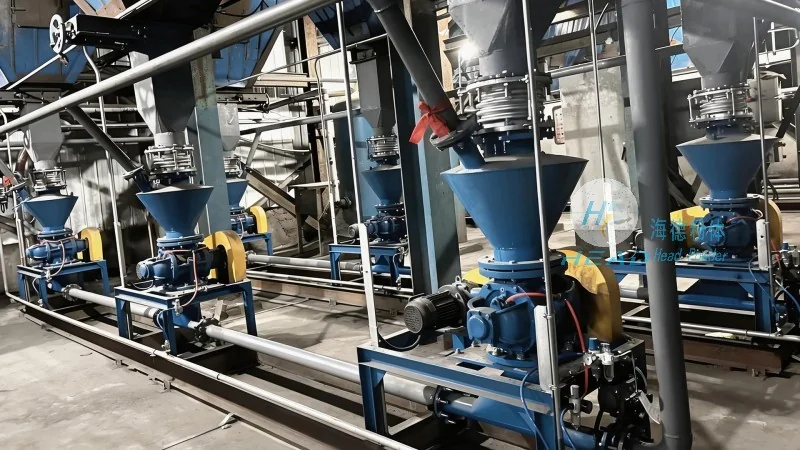
Third, the system's layout and components are optimized for energy efficiency and operational reliability. This includes selecting appropriate air compressors, filters, and control valves that can handle the specific pressure and flow requirements of LiPF₆. The system may also incorporate monitoring and control systems to ensure consistent performance and detect any issues early, such as blockages or pressure drops.
Key Components and Their Roles in the System
A typical LiPF₆ pneumatic conveying system consists of several key components, each playing a crucial role in the overall operation. The primary components include a material hopper or feeder, an air compressor or blower, a conveying line (often with bends and elbows), and a receiving hopper or silo. The material hopper is designed to feed the LiPF₆ into the system at a controlled rate, preventing overloading and ensuring a steady flow. The air compressor provides the necessary pressure to move the material through the conveying line, with the pressure level determined by the distance and height the material needs to be transported.
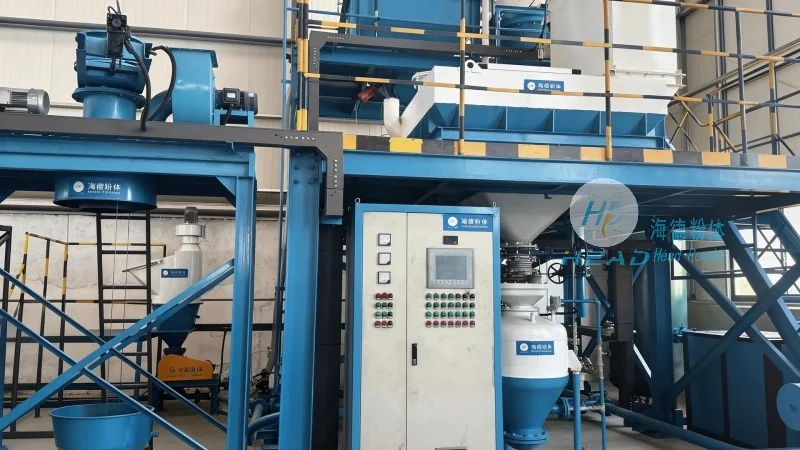
The conveying line is typically made of smooth, corrosion-resistant materials to minimize friction and prevent material buildup. It may include features like vibration or agitation devices to break up any agglomerates and ensure consistent flow. The receiving hopper collects the conveyed LiPF₆ and may include a storage or processing system for further use in battery production. The system may also include additional components such as filters, moisture traps, or vacuum pumps to maintain the purity and quality of the material.
Advantages and Considerations for Implementing LiPF₆ Pneumatic Conveying
Implementing a LiPF₆ pneumatic conveying system offers several advantages over traditional mechanical conveying methods. These include reduced labor costs due to automated material handling, improved safety by eliminating manual handling of potentially hazardous materials, and enhanced product quality through minimal contamination and degradation. However, there are also considerations to keep in mind, such as the need for proper maintenance to prevent system failures, and the importance of selecting the right system design for the specific application to ensure optimal performance.
At Shandong HeadPowder Engineering Co., Ltd., we provide comprehensive solutions for LiPF₆ pneumatic conveying, including system design, installation, and maintenance services. Our team of experts works closely with clients to understand their specific requirements and develop customized systems that meet their production needs while adhering to industry standards and safety regulations. By leveraging our experience and expertise, we help our clients achieve efficient, reliable, and cost-effective material handling for their lithium-ion battery production processes.