

What is Biomass Pellet Pneumatic Conveying? What Are the Design Principles?
Biomass pellet pneumatic conveying is a key technology in the handling and transportation of biomass materials. This method uses compressed air or other gas to transport solid particles, such as biomass pellets, through a pipeline system. It offers an efficient and flexible solution for moving biomass from storage to processing or other destinations. Understanding the principles behind this technology is crucial for optimizing its application in various industrial settings.
About HeadPowder: Your Biomass Handling Expert
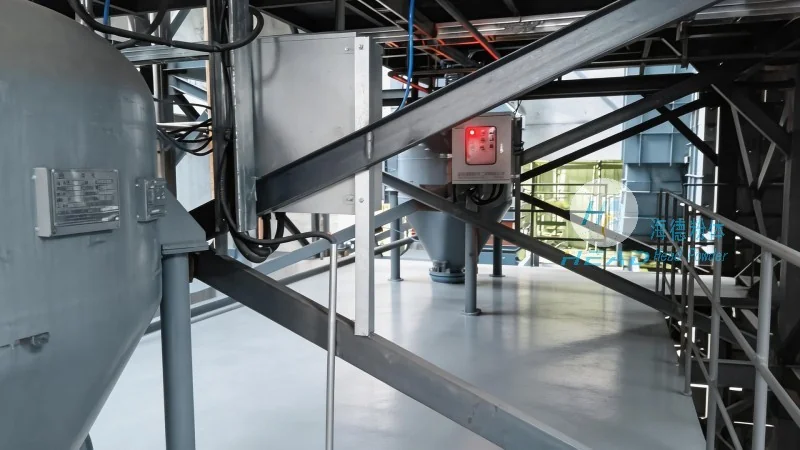
HeadPowder, or Shandong HeadPowder Engineering Co., Ltd., is a leading company specializing in engineering solutions for biomass handling. With a base in Shandong, China, the company provides comprehensive services and equipment tailored to the needs of biomass processing industries. Their expertise lies in designing and implementing efficient pneumatic conveying systems that ensure reliable and cost-effective material transport.
The Core Design Principles of Pneumatic Conveying Systems
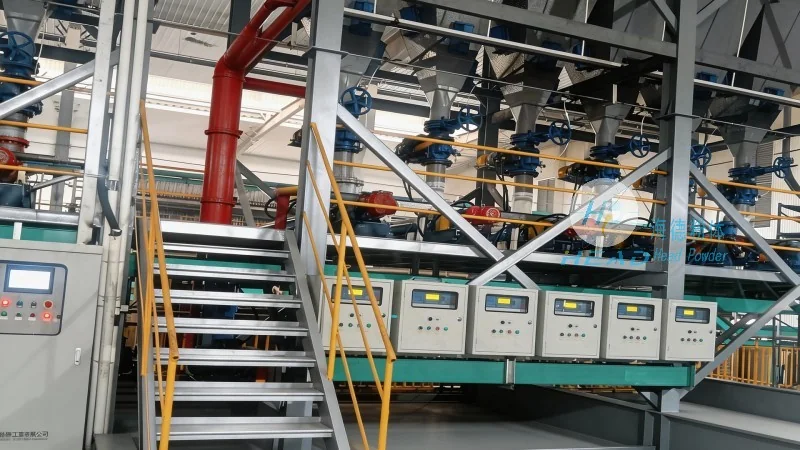
The design of a biomass pellet pneumatic conveying system involves several critical principles that ensure optimal performance. First, the system must be designed to handle the specific characteristics of biomass pellets, including their size, density, and moisture content. The choice of conveying velocity and pressure is paramount; too low, and the material may settle in the pipeline, while too high can cause excessive wear and energy consumption. The pipeline layout, including the number of bends, vertical sections, and horizontal runs, is carefully planned to minimize pressure drop and maintain consistent flow. Additionally, the system incorporates components like air locks, filters, and cyclones to manage the air and material separation, ensuring clean and efficient operation. The selection of materials for the pipeline and components is also critical, as they must withstand the abrasive nature of biomass pellets and the corrosive effects of moisture.
Key Components and Their Functions in Pneumatic Conveying
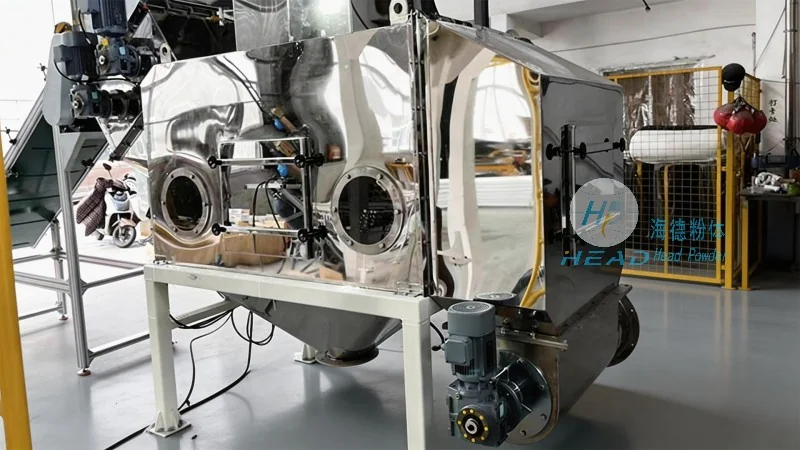
A typical biomass pellet pneumatic conveying system consists of several key components that work in tandem to achieve efficient material transport. The conveying pipeline is the main channel through which the pellets and air travel. It is usually made of durable materials like stainless steel or high-density polyethylene to resist wear and corrosion. The air source, typically a blower or compressor, provides the necessary pressure and volume of air to move the material. The feed system includes devices like hoppers and feeders that introduce the biomass pellets into the pipeline at a controlled rate. The air lock or feeder at the discharge end prevents the backflow of air and ensures that the material is discharged smoothly. The filter and cyclone system separates the pellets from the air, allowing the air to be recirculated or discharged while the pellets are collected for further use. Each component is designed to work together seamlessly, ensuring the system operates efficiently and reliably.
Advantages of Biomass Pellet Pneumatic Conveying
Implementing a biomass pellet pneumatic conveying system offers several advantages over traditional methods like belt conveyors or manual handling. One of the primary benefits is the ability to transport materials over long distances with minimal space requirements, as the pipeline can be installed in a straight line or with minimal bends. The system is also highly flexible, allowing for changes in the conveying route or capacity without major modifications. Additionally, pneumatic conveying is less prone to material contamination, as the material is enclosed in the pipeline, protecting it from dust, moisture, and other environmental factors. The system also reduces labor costs and improves safety by eliminating the need for manual handling of heavy or bulky biomass pellets. Furthermore, the design allows for easy integration with other processing equipment, such as pelletizers or dryers, creating a seamless workflow in the biomass processing plant.
Conclusion: Optimizing Biomass Handling with Pneumatic Conveying
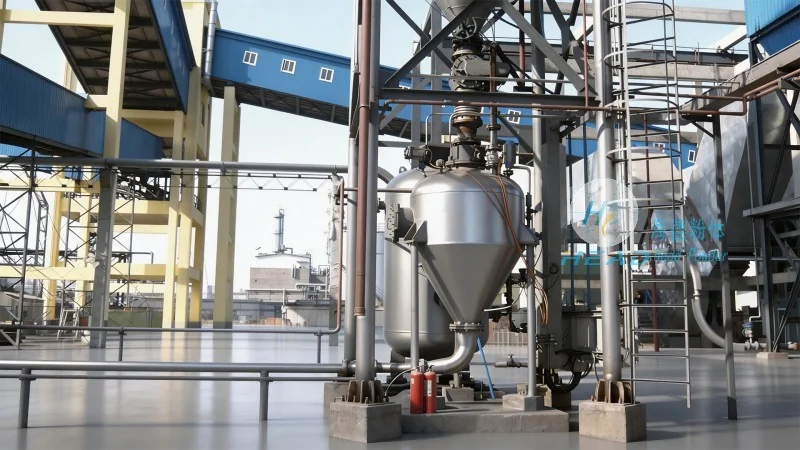
Biomass pellet pneumatic conveying is a sophisticated and efficient technology that plays a vital role in the modern biomass processing industry. By understanding the design principles and components of such systems, industries can optimize their material handling processes, leading to increased productivity and cost savings. Companies like Shandong HeadPowder Engineering Co., Ltd. provide expert solutions and equipment to help businesses implement and maintain effective pneumatic conveying systems, ensuring reliable and efficient transport of biomass materials. With the growing demand for renewable energy and biomass utilization, the importance of efficient material handling systems cannot be overstated, and pneumatic conveying remains a key technology in meeting these needs.