

What is Sawdust and Husk Pneumatic Conveying? And What Are Its Design Principles?
Sawdust and husk pneumatic conveying is a specialized form of material handling technology that utilizes air pressure or vacuum to transport granular or powdery materials like sawdust and various agricultural husks. This method has become increasingly important in industries such as woodworking, agriculture, and biomass processing, where efficient and clean material transport is crucial for operational efficiency and product quality. The technology offers a non-contact, low-maintenance solution for moving these materials over short to medium distances, making it an attractive alternative to traditional mechanical conveyors.
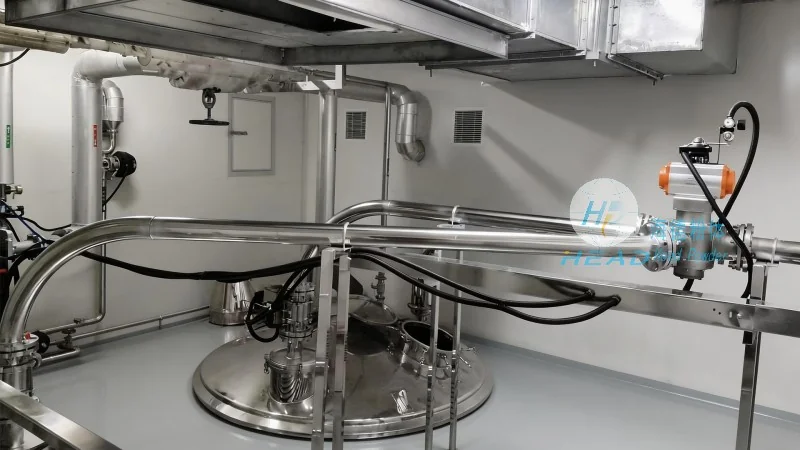
Understanding Sawdust and Husk Pneumatic Conveying Systems
Pneumatic conveying systems for sawdust and husk applications typically consist of several key components, including a material feed hopper, a conveyor line (either positive or negative pressure), a separation or filtration system, and a discharge outlet. The feed hopper is designed to store and meter the material, ensuring a consistent flow into the conveying line. The conveyor line can operate under positive pressure, where air is forced through the material to push it forward, or under negative pressure, where air is drawn through the material to pull it along. For sawdust and husk, which are often light and prone to dust generation, positive pressure systems are commonly preferred as they provide better control over material movement and reduce the risk of dust contamination.
Design Principles of Sawdust and Husk Pneumatic Conveying
The design of a sawdust and husk pneumatic conveying system involves several critical principles aimed at optimizing performance, efficiency, and reliability. First, the system must be tailored to the specific properties of the material being conveyed. Sawdust and husk vary in density, moisture content, and particle size, which directly impact the air velocity required for effective transport. Engineers must calculate the appropriate air velocity to ensure that the material is fully entrained and moves smoothly without causing excessive pressure drops or material degradation. Second, the system's pressure and flow rates are carefully balanced to minimize energy consumption while maintaining sufficient material transport capacity. This involves selecting the right type of air compressor or vacuum pump, as well as the appropriate pipe diameter and length. Third, the inclusion of a separation or filtration system is essential to prevent dust accumulation in the system and protect downstream equipment. These systems may include cyclones, bag filters, or electrostatic precipitators, depending on the application and regulatory requirements. Additionally, the design must consider the overall system layout, ensuring that the conveying line is as direct as possible to reduce pressure losses and the need for additional booster fans or vacuum pumps.
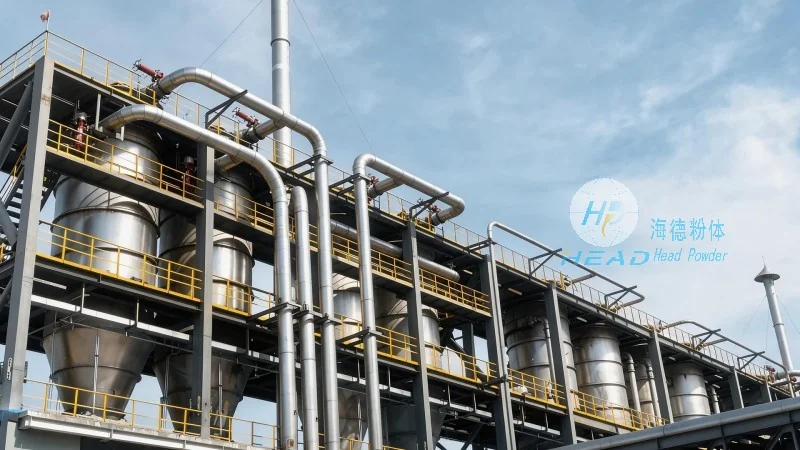
Applications and Benefits of Sawdust and Husk Pneumatic Conveying
Sawdust and husk pneumatic conveying is widely used in various industrial processes, including the production of wood pellets, biomass energy generation, and agricultural product processing. In wood pellet manufacturing, for example, the system efficiently transports raw sawdust from storage silos to the pelletizing machine, ensuring a continuous and clean feed. This not only improves the efficiency of the pelletizing process but also reduces the risk of contamination from external sources. Similarly, in biomass power plants, the technology is used to transport husks and sawdust from storage areas to the boiler, where they are burned to generate electricity. The benefits of this method extend beyond operational efficiency; it also offers a cleaner and more hygienic solution compared to traditional conveyors, which can generate significant dust and noise. Furthermore, pneumatic conveying systems are relatively low-maintenance, as they have fewer moving parts compared to mechanical systems, reducing downtime and maintenance costs over the long term.
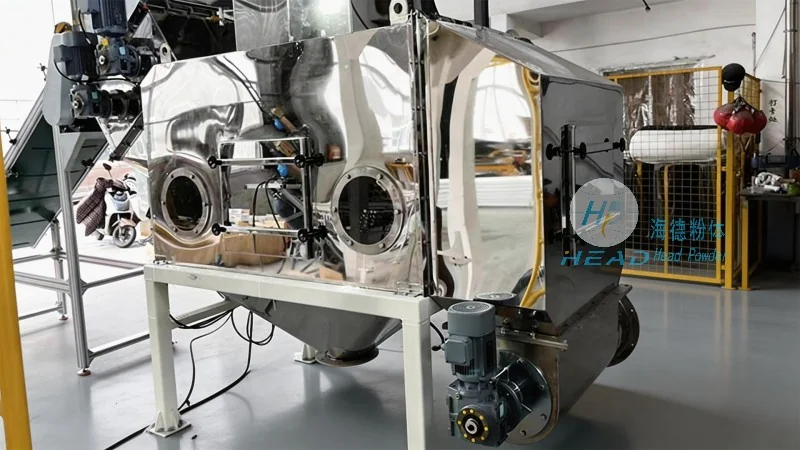
Key Considerations for Implementing Sawdust and Husk Pneumatic Conveying
When implementing a sawdust and husk pneumatic conveying system, several factors must be carefully considered to ensure optimal performance and longevity. First, the material's physical properties, such as its bulk density and moisture content, must be thoroughly analyzed. These properties directly affect the system's design parameters, including air velocity and pressure requirements. Second, the system's capacity must be matched to the production needs of the facility. Overloading the system can lead to increased pressure drops, reduced material transport efficiency, and potential system failure. Third, the system's layout and integration with existing infrastructure must be carefully planned. This includes ensuring that the conveying line is properly supported and that there are no obstructions that could impede material flow. Fourth, regular maintenance and monitoring are essential to prevent issues such as clogging or wear and tear. This may involve routine cleaning of the filtration system, inspection of the air compressor, and checking for any signs of material buildup in the pipes. By addressing these considerations, facilities can maximize the benefits of pneumatic conveying while minimizing operational risks.
About Shandong HeadPowder Engineering Co., Ltd.
Shandong HeadPowder Engineering Co., Ltd., commonly known as HeadPowder, is a leading manufacturer and supplier of pneumatic conveying systems and related equipment. With its headquarters located in Shandong, China, the company specializes in designing and manufacturing customized solutions for a wide range of material handling applications, including sawdust, husk, and other granular materials. HeadPowder's team of experienced engineers and technicians utilizes advanced technology and rigorous testing to ensure that each system meets the highest standards of performance, efficiency, and reliability. The company's commitment to quality and customer satisfaction has made it a trusted partner for industries worldwide, providing innovative solutions that enhance operational efficiency and reduce costs. HeadPowder's products are designed to be durable, low-maintenance, and adaptable to various production environments, making them an ideal choice for facilities seeking to improve their material handling processes.