

Introduction to Styrene Pneumatic Conveying and the Working Principle of Pneumatic Conveying Systems
Styrene, a vital chemical intermediate widely utilized in the production of polystyrene and other polymers, often requires efficient and reliable material handling solutions for industrial applications. Pneumatic conveying systems have emerged as a preferred method for transporting styrene due to their ability to handle the material safely and effectively, minimizing the risk of dust explosions and ensuring consistent flow rates. This article provides an overview of styrene pneumatic conveying and explains the fundamental principles behind the operation of pneumatic conveying systems.
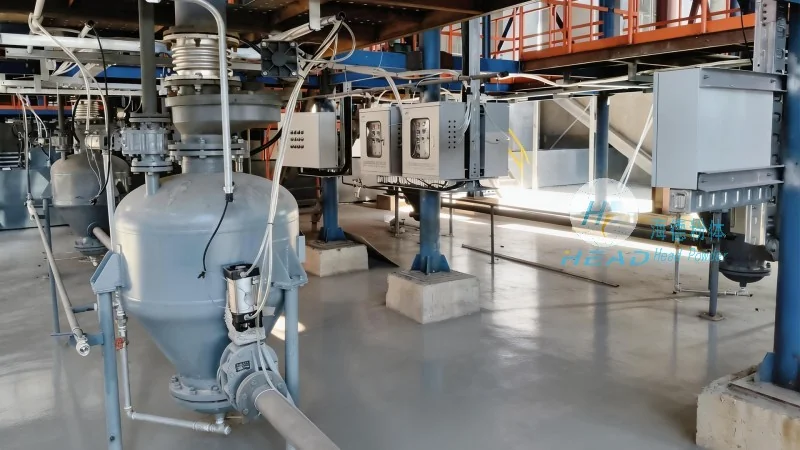
Overview of Styrene Pneumatic Conveying
Styrene pneumatic conveying involves the use of air or other gases to transport styrene particles from a source to a destination. This method is particularly advantageous for styrene, which is a volatile and potentially hazardous material. The process typically involves a hopper or storage tank where styrene is stored, a conveyor line equipped with a blower or compressor to generate the necessary air pressure, and a receiver where the material is deposited. The system can be either positive pressure or negative pressure, depending on the specific requirements of the application. Positive pressure systems push the material through the pipeline using compressed air, while negative pressure systems create a vacuum to draw the material into the pipeline.
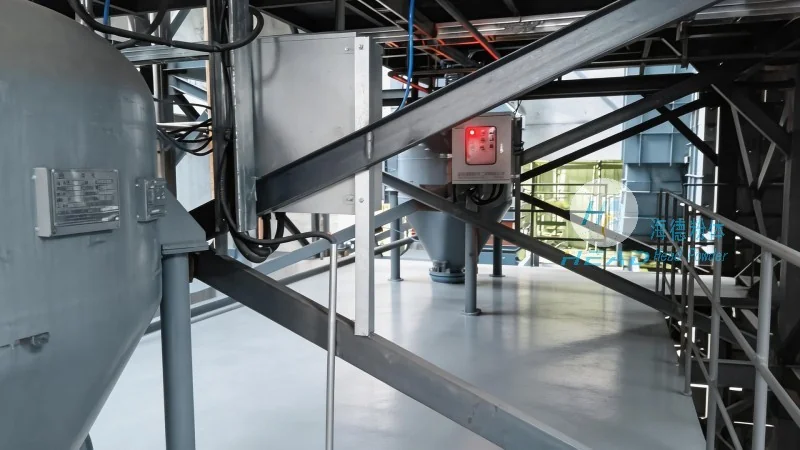
Key Components of a Pneumatic Conveying System
A typical pneumatic conveying system for styrene consists of several key components that work in tandem to ensure efficient material transport. These components include the material feed hopper, which holds the styrene and provides a controlled discharge; the air supply unit, which generates the required air pressure or vacuum; the conveyor line, which is usually made of stainless steel or other corrosion-resistant materials to handle the chemical properties of styrene; and the receiver, which collects the transported material. Additionally, the system may include accessories such as filters to remove dust and moisture, and check valves to prevent backflow of material or air.
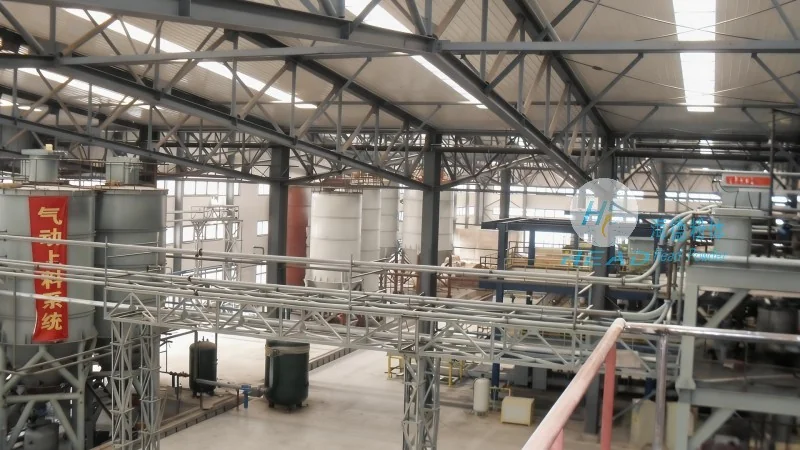
Working Principle of Pneumatic Conveying
The core principle of pneumatic conveying is the use of air to create a fluidized bed or a suspended flow of the material particles. In a positive pressure system, the blower pushes air into the conveyor line, which lifts the styrene particles and carries them along the pipeline. The air velocity must be sufficient to keep the particles suspended and prevent them from settling or clogging the line. In a negative pressure system, the vacuum created by the fan draws the material into the pipeline, where it is carried by the air flow. The design of the system, including the air velocity, pipeline diameter, and material characteristics, is critical to achieving optimal conveying performance.
Advantages of Pneumatic Conveying for Styrene Handling
Implementing a pneumatic conveying system for styrene offers several advantages over traditional mechanical conveying methods. Firstly, it provides a dust-free and enclosed environment, reducing the risk of inhalation of styrene particles and minimizing the potential for fire or explosion hazards. Secondly, the system can handle varying material flow rates and can be easily integrated with existing production lines. Thirdly, it reduces the need for manual handling, improving workplace safety and efficiency. Finally, the system can be designed to meet specific regulatory requirements for handling hazardous materials, ensuring compliance with industry standards.
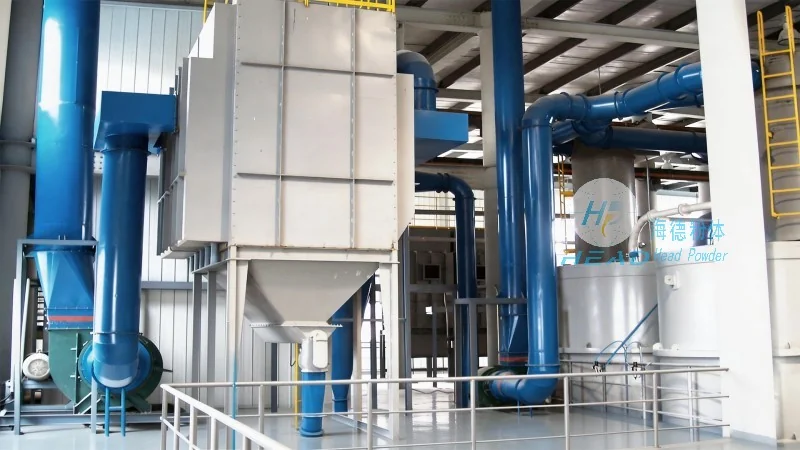
Applications of Styrene Pneumatic Conveying
Styrene pneumatic conveying is widely used in various industrial applications, including the production of polystyrene, styrene-butadiene rubber (SBR), and other styrene-based polymers. In these applications, the system is used to transport styrene from storage tanks to reactors or processing equipment. The system can also be used in the chemical industry for the handling of other similar materials, such as monomers and solvents. The flexibility and reliability of pneumatic conveying make it an ideal solution for industries that require consistent and safe material transport.