

Introduction to Phosphate Calcium Pneumatic Conveying and the Working Principle of Pneumatic Conveyi
Phosphate calcium, a critical raw material in various industrial applications, often requires efficient and reliable material handling solutions. Pneumatic conveying systems have emerged as a preferred method for transporting phosphate calcium due to their ability to handle fine powders and provide a closed-loop operation, minimizing dust exposure and environmental impact. This article provides an overview of phosphate calcium pneumatic conveying and delves into the fundamental working principles of such systems.
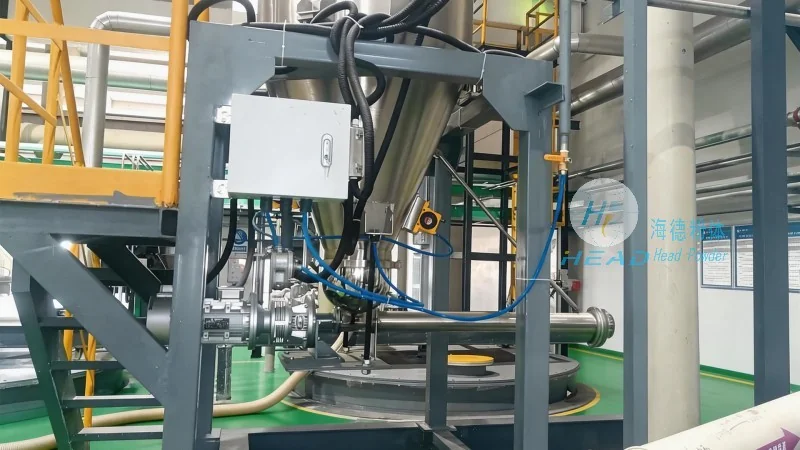
Overview of Phosphate Calcium Pneumatic Conveying
Phosphate calcium, chemically known as calcium phosphate, is widely used in agriculture, food processing, and pharmaceutical industries. Its fine powder form necessitates specialized handling techniques to ensure safety and efficiency. Pneumatic conveying systems offer a solution by using air or gas to transport the material from one location to another without the need for mechanical components like belts or buckets. This method is particularly advantageous for phosphate calcium, which can be prone to dust generation and caking if not handled properly.
Key Components of a Pneumatic Conveying System
A typical pneumatic conveying system for phosphate calcium consists of several essential components that work in tandem to facilitate material transport. These components include a hopper or feeder to store and meter the phosphate calcium, a conveyor line (either positive or negative pressure), a filter or cyclone to separate the material from the air stream, and a collection bin or silo at the destination. The system may also incorporate additional features such as a rotary valve, airlocks, or a vacuum pump, depending on the specific application and operational requirements.
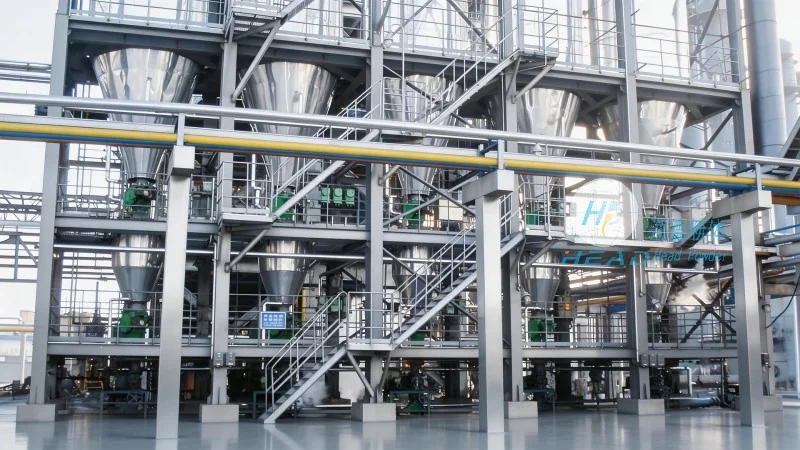
The Working Principle of Pneumatic Conveying
The core mechanism of a pneumatic conveying system involves creating a pressure differential between the source and destination points. In a positive pressure system, air is forced through the conveyor line, carrying the phosphate calcium particles along with it. The air velocity is maintained at a level sufficient to keep the particles suspended and prevent settling. As the material travels through the system, it passes through a filter or cyclone where the air is separated from the solid particles. The purified air is then discharged, while the phosphate calcium is collected in the receiving container. In contrast, a negative pressure (or vacuum) system draws air and material through the conveyor line by creating a lower pressure at the destination, pulling the material from the source.
Advantages of Pneumatic Conveying for Phosphate Calcium
Implementing pneumatic conveying for phosphate calcium offers numerous benefits that enhance operational efficiency and safety. One of the primary advantages is the ability to handle fine powders without the risk of blockages or material degradation. The closed-loop design minimizes dust emissions, reducing the risk of respiratory issues for workers and preventing contamination of the surrounding environment. Additionally, pneumatic systems can transport phosphate calcium over longer distances and through multiple points of transfer without the need for intermediate storage, streamlining the overall material flow. The flexibility of pneumatic conveying also allows for easy integration with other processing equipment, such as mixers or reactors, enabling seamless production workflows.
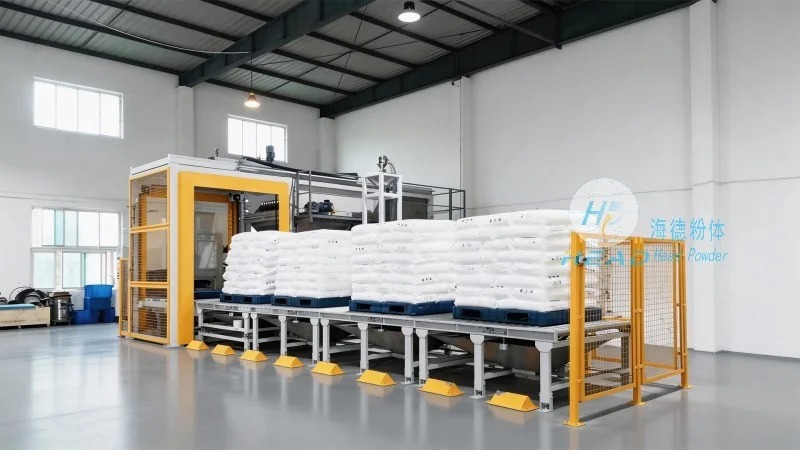
Application Considerations for Phosphate Calcium Pneumatic Conveying
When designing a pneumatic conveying system for phosphate calcium, several factors must be considered to ensure optimal performance. The particle size, density, and flow properties of the material are critical, as they influence the air velocity required for effective transport. The system's capacity and the distance between the source and destination points also impact the choice of conveyor type and component sizing. For example, long-distance transport may require a combination of positive and negative pressure stages to maintain sufficient air velocity and prevent material deposition. Furthermore, the system must be equipped with appropriate filtration and cleaning mechanisms to handle the potential for caking or agglomeration in the phosphate calcium particles, which could otherwise lead to system blockages.
Conclusion
Pneumatic conveying systems represent a highly effective solution for the handling and transportation of phosphate calcium, offering a balance of efficiency, safety, and environmental responsibility. By understanding the fundamental working principles and key components of such systems, industries can optimize their material handling processes, reduce operational costs, and enhance overall productivity. As a leading provider in this field, Shandong HeadPowder Engineering Co., Ltd., based in Shandong, China, specializes in designing and manufacturing customized pneumatic conveying solutions tailored to the specific needs of phosphate calcium applications, ensuring reliable and efficient material transport for clients worldwide.