

Introduction to Zinc Oxide Pneumatic Conveying and the Working Principle of Pneumatic Conveying Syst
Zinc oxide is a widely used chemical compound in various industrial applications, and the efficient handling of this material is crucial for maintaining production efficiency and safety. Pneumatic conveying systems have emerged as a reliable method for transporting zinc oxide, offering advantages such as dust control, flexibility, and automation. This article provides an overview of zinc oxide pneumatic conveying, detailing the working principles and benefits of such systems.
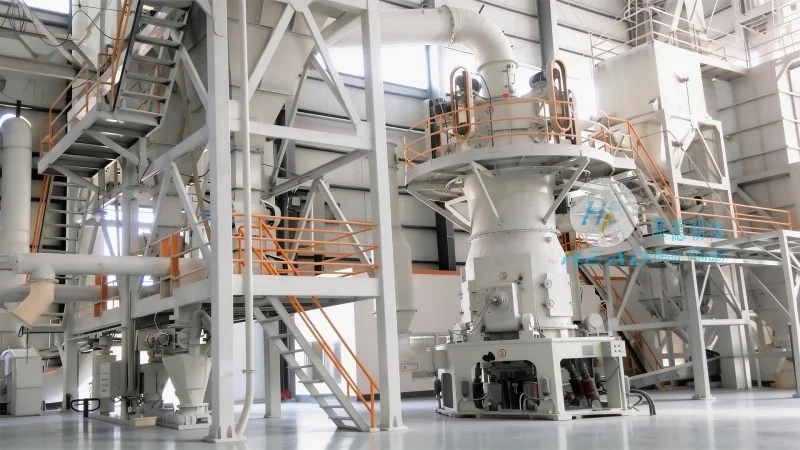
Company Profile: Shandong HeadPowder Engineering Co., Ltd.
Shandong HeadPowder Engineering Co., Ltd., commonly known as HeadPowder, is a leading provider of pneumatic conveying solutions. With headquarters in Shandong, China, the company specializes in designing, manufacturing, and installing advanced material handling systems tailored to the needs of the chemical and pharmaceutical industries. HeadPowder's expertise lies in optimizing material flow, ensuring compliance with industry standards, and delivering durable, high-performance equipment for clients worldwide.
Understanding Pneumatic Conveying Systems
Pneumatic conveying systems utilize compressed air or gas to transport bulk materials like zinc oxide through a network of pipes. The process involves several key components, including a material feeder, a conveying line, and a receiver or discharge point. The system operates by creating a pressure differential that propels the material along the pipeline. There are two primary types of pneumatic conveying: pressure and vacuum systems. Pressure systems use compressed air to push material forward, while vacuum systems use suction to draw material into the line. Each type has specific applications and advantages, depending on the material characteristics and operational requirements.
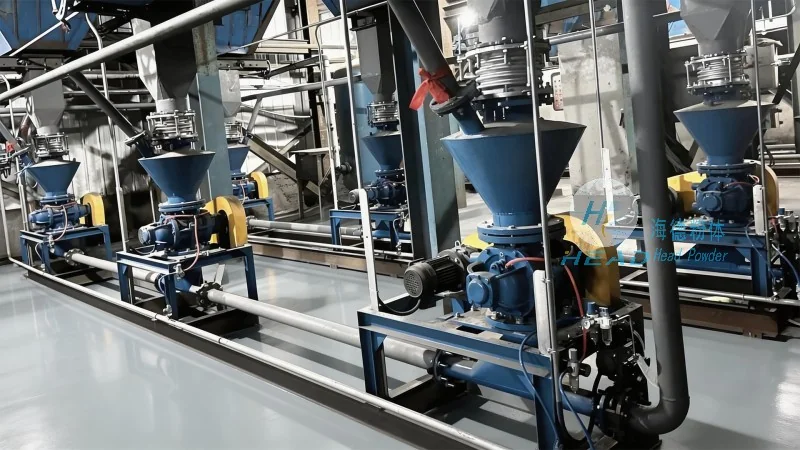
The Working Principle of Zinc Oxide Pneumatic Conveying
For zinc oxide, pneumatic conveying systems are particularly effective due to the material's fine particle size and potential for dust generation. The process begins with the material being fed into a hopper or feeder, where it is then introduced into the conveying line under controlled conditions. Compressed air is introduced at the inlet of the pipe, creating a flow that carries the zinc oxide particles. The velocity of the air is critical; it must be sufficient to overcome the gravitational forces and friction within the pipeline while preventing particle separation or degradation. Proper air-to-material ratios are essential to maintain stable conveying and avoid system blockages or material degradation. The system also incorporates features such as cyclones or filters to separate the material from the air stream at the receiver, ensuring clean material delivery and efficient air recovery.
Advantages of Pneumatic Conveying for Zinc Oxide Handling
Implementing pneumatic conveying for zinc oxide offers several benefits that enhance operational efficiency and product quality. First, it provides a dust-free environment, reducing the risk of inhalation hazards and contamination in processing areas. Unlike mechanical conveying methods, which may generate significant dust and require additional dust control measures, pneumatic systems contain the material within a sealed pipeline, minimizing exposure risks. Second, pneumatic conveying offers flexibility in material routing, allowing for multiple destinations or complex layouts without the need for additional equipment. This adaptability is particularly valuable in facilities where space is limited or where material needs to be transported to various processing units. Third, the system can be integrated with automation and control systems, enabling real-time monitoring and adjustment of conveying parameters. This integration enhances process control, reduces downtime, and improves overall productivity. Additionally, pneumatic conveying reduces the need for manual handling, improving workplace safety and reducing labor costs associated with material transport.
Technical Considerations for Optimal Performance
Successful implementation of zinc oxide pneumatic conveying requires careful consideration of several technical factors. Particle size and density are key parameters that influence system design. Fine particles, like zinc oxide, may require higher air velocities to maintain stable flow, while larger particles may need lower velocities to prevent system blockages or wear. The system's design must account for the material's flow properties, including its angle of repose and cohesive forces, to ensure smooth transport. Material moisture content also plays a role, as high moisture can lead to clumping or caking, which can disrupt the conveying process. Proper pipeline sizing and material of construction are critical to prevent corrosion or wear from the zinc oxide particles. For example, stainless steel or corrosion-resistant materials are often used to withstand the chemical properties of zinc oxide and ensure long-term system reliability. Additionally, the air filtration system must be designed to handle the specific characteristics of zinc oxide, preventing clogging and maintaining efficient air recovery.
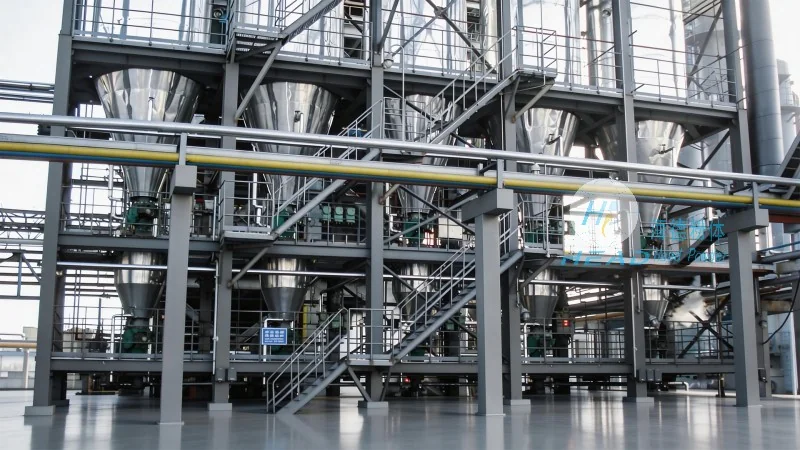
Applications and Industry Impact
Zinc oxide pneumatic conveying systems are widely used in industries that rely on zinc oxide as a raw material, such as rubber, plastics, and pharmaceuticals. In the rubber industry, zinc oxide is used as a curing agent and processing aid, and efficient transport is essential to maintain consistent quality in the final product. In the pharmaceutical sector, where purity and contamination control are paramount, pneumatic conveying ensures that zinc oxide is handled in a sterile and dust-free environment, meeting stringent regulatory requirements. The ability to transport zinc oxide without direct human contact also enhances safety in high-risk environments, such as those involving toxic or hazardous materials. By optimizing material handling, pneumatic conveying systems contribute to improved product consistency, reduced waste, and enhanced operational efficiency across various industrial applications.
Conclusion and Future Trends
In conclusion, pneumatic conveying systems offer a reliable and efficient solution for handling zinc oxide, addressing the challenges of dust control, material transport, and operational safety. Shandong HeadPowder Engineering Co., Ltd. has established itself as a trusted provider of such systems, leveraging advanced technology and industry expertise to meet the diverse needs of clients. As industrial demands for cleaner and more automated material handling continue to grow, the importance of pneumatic conveying in the processing of zinc oxide and other fine materials will only increase. By investing in well-designed and maintained pneumatic systems, companies can enhance their production capabilities, ensure product quality, and maintain a competitive edge in their respective markets.