

Introduction to Gypsum Powder Pneumatic Conveying and Explanation of the Working Principle of Pneuma
For industries dealing with bulk materials like gypsum powder, efficient material handling is crucial for operational efficiency and cost management. Pneumatic conveying systems offer a reliable solution for transporting such powders, and understanding their principles is key to optimizing processes. This article provides an overview of gypsum powder pneumatic conveying, detailing the working principles and benefits of such systems.
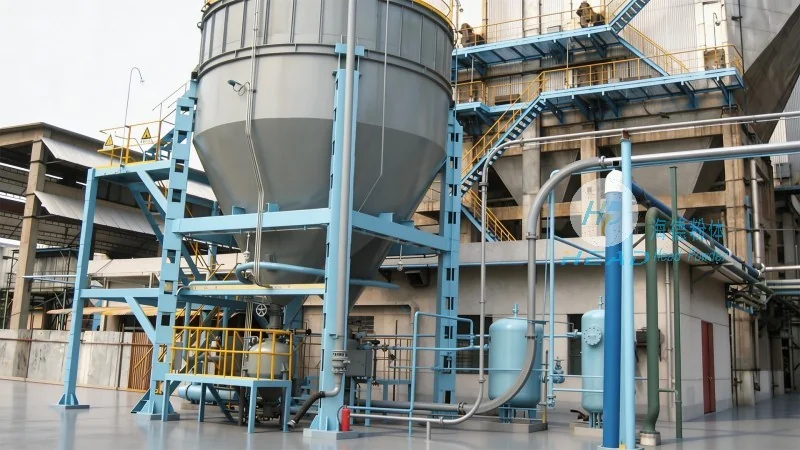
HeadPowder, a leading provider in the field, specializes in engineering and manufacturing pneumatic conveying solutions tailored to the unique requirements of gypsum powder handling. With a focus on innovation and precision, the company has established itself as a trusted partner for businesses seeking to enhance their material transport capabilities. Based in Shandong, China, HeadPowder leverages local expertise and advanced technology to deliver high-performance conveying systems that meet industry standards and customer expectations.
Understanding Pneumatic Conveying Systems
Pneumatic conveying systems utilize air or gas to transport bulk materials through a pipeline network. The process involves generating a flow of air that moves the material from the source to the destination, eliminating the need for mechanical components like belts or buckets. This method is particularly advantageous for materials that are dusty, abrasive, or require a dust-free environment, as it minimizes contact with external elements and reduces the risk of contamination.
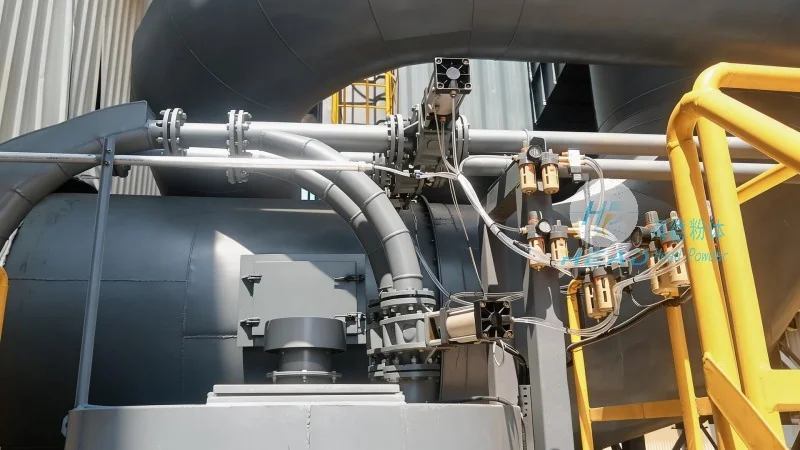
The core components of a pneumatic conveying system include a material feed hopper, a conveyor line, a dust collection system, and a control unit. The material is introduced into the hopper, where it is then drawn into the conveyor line by the moving air. The air velocity is carefully controlled to ensure the material is carried efficiently without causing excessive wear on the system components. The system also incorporates filtration and cleaning mechanisms to maintain air quality and prevent material buildup in the pipeline.
Key Features of Gypsum Powder Pneumatic Conveying
Gypsum powder, with its fine particle size and hygroscopic properties, presents specific challenges in material handling. Pneumatic conveying systems are well-suited for this application due to their ability to handle fine powders without clogging or degradation. The systems are designed to maintain consistent air flow and pressure, ensuring smooth transport of gypsum powder from storage silos to processing units or packaging areas.
One of the primary advantages of pneumatic conveying for gypsum powder is its ability to maintain a dust-free environment. Unlike mechanical systems that may generate dust during operation, pneumatic systems enclose the material in a sealed pipeline, reducing airborne particles and improving workplace safety. This feature is especially important in industries where dust control is a regulatory requirement or a health and safety priority.
Working Principle of Pneumatic Conveying
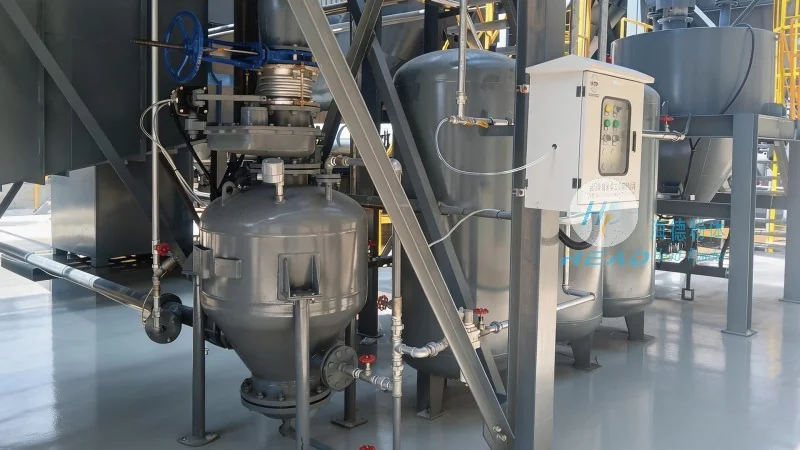
The working principle of a pneumatic conveying system for gypsum powder involves several stages. Initially, the gypsum powder is stored in a hopper or silo. From there, the material is fed into the conveyor line using a rotary valve or a screw feeder, which controls the flow rate. Simultaneously, a fan or blower generates a high-velocity air stream within the pipeline. The air flow entrains the gypsum powder particles, lifting them into the conveyor line and transporting them to the destination point.
The velocity of the air is critical in determining the efficiency of the conveying process. If the air velocity is too low, the material may settle and cause blockages. Conversely, if the velocity is too high, it can lead to excessive wear on the pipeline and components. HeadPowder’s systems are equipped with advanced control mechanisms that adjust air pressure and flow rate in real-time, ensuring optimal conveying conditions for gypsum powder.
Benefits and Applications
Pneumatic conveying systems offer numerous benefits for gypsum powder handling, including improved efficiency, reduced labor costs, and enhanced safety. By automating the material transport process, businesses can minimize manual handling, which reduces the risk of accidents and improves productivity. Additionally, the enclosed system design helps maintain the quality of the gypsum powder, preventing moisture absorption or contamination that could affect its performance in downstream applications.
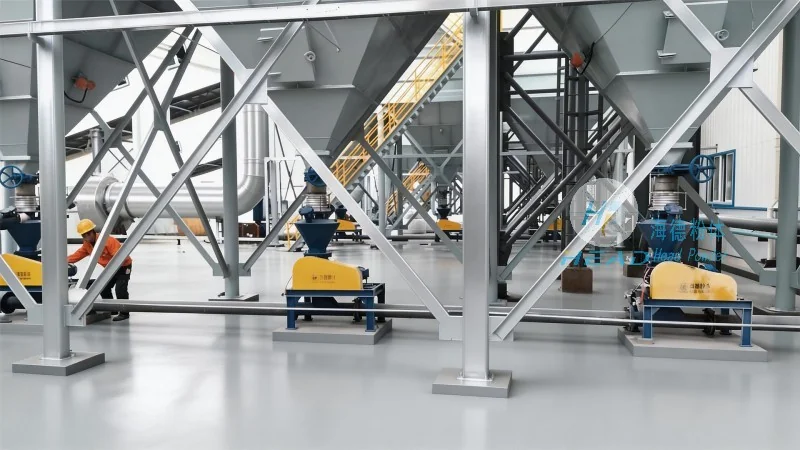
Applications of gypsum powder pneumatic conveying include the production of gypsum board, plaster, and other building materials. In these processes, the material is transported from storage to mixing and processing equipment, ensuring a consistent supply of raw material. The systems are also used in industrial settings where gypsum is used as a filler or additive in various products, such as cement, paints, and plastics.
Conclusion
Gypsum powder pneumatic conveying systems are a sophisticated and efficient solution for handling bulk materials in various industries. By understanding the working principles and benefits of such systems, businesses can optimize their material transport processes, reduce operational costs, and enhance workplace safety. HeadPowder, with its expertise and commitment to quality, continues to provide reliable pneumatic conveying solutions that meet the evolving needs of the gypsum powder industry. For companies seeking to improve their material handling capabilities, investing in a well-designed pneumatic conveying system is a strategic step toward operational excellence.