

Introduction to Coconut Shell Powder Pneumatic Conveying and the Working Principle of Pneumatic Conv
For industries that process and handle bulk materials such as coconut shell powder, the efficiency of material transport is a critical factor in overall operational productivity. Pneumatic conveying systems have emerged as a preferred method for moving these powders due to their ability to handle the material in a closed, controlled environment. This article provides a comprehensive introduction to coconut shell powder pneumatic conveying, explaining the fundamental principles behind the technology and how it operates to ensure effective material handling.
Core Components and Functionality of Pneumatic Conveying Systems
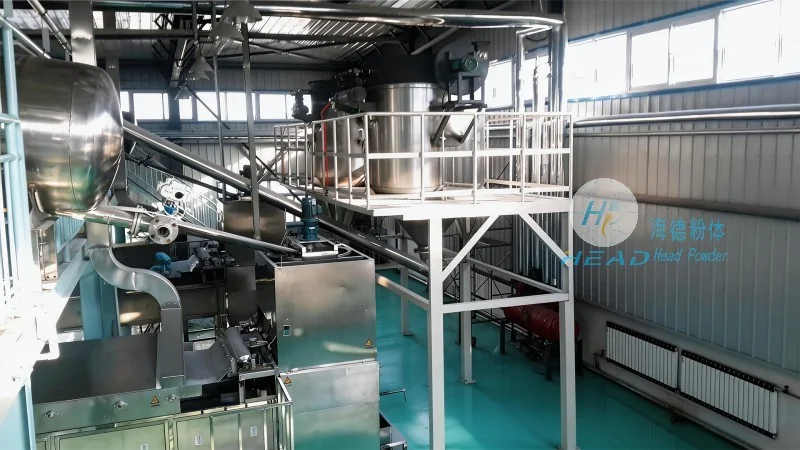
A pneumatic conveying system for coconut shell powder typically consists of several key components, each playing a vital role in the material transport process. The primary components include a material feeder, a conveying line, a separator, and a dust collection unit. The material feeder, often a rotary valve or a screw feeder, is responsible for introducing the coconut shell powder into the system at a controlled rate. This ensures a steady flow of material into the conveying line. The conveying line, usually made from stainless steel or other corrosion-resistant materials, is where the powder is transported using pressurized air. The air velocity within the line is carefully managed to lift and move the powder particles without causing excessive wear or degradation of the material. The separator, which may be a cyclone or a bag filter, then separates the powder from the air stream, collecting the material for further processing. The dust collector, typically a baghouse or an electrostatic precipitator, removes any residual particles from the air before it is released back into the environment.
Working Principle: From Feeder to Collection
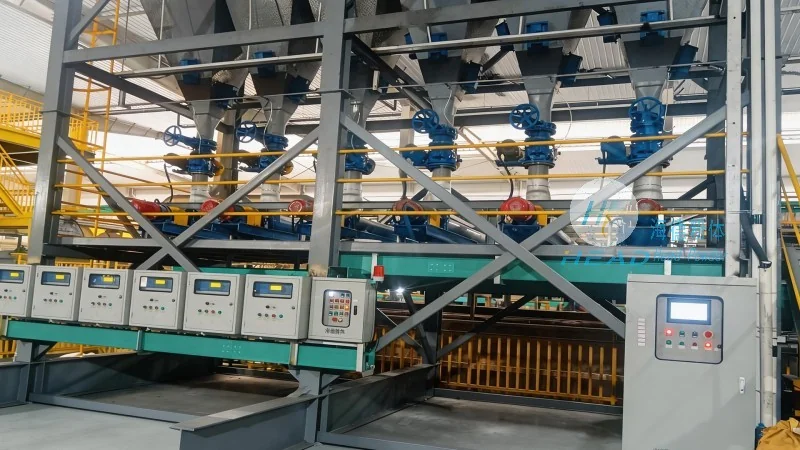
The operation of a pneumatic conveying system for coconut shell powder begins with the material being fed into the system. The feeder maintains a consistent flow rate, which is essential for preventing blockages or uneven material delivery. As the powder enters the conveying line, it is mixed with pressurized air. The air is introduced at a specific pressure and velocity, which is determined based on the particle size, density, and flowability of the coconut shell powder. In positive pressure systems, compressed air is used to push the material through the line, while negative pressure systems employ a vacuum to draw the material in. The choice between these modes depends on factors such as the distance to be covered and the material's properties. The conveying line's design, including its diameter and length, is optimized to minimize pressure drop and energy consumption. The separator then separates the material from the air, ensuring that the powder is collected in a clean and dry state. The dust collector further ensures that no air contaminants are released, maintaining compliance with environmental regulations.
Advantages of Pneumatic Conveying for Coconut Shell Powder Handling
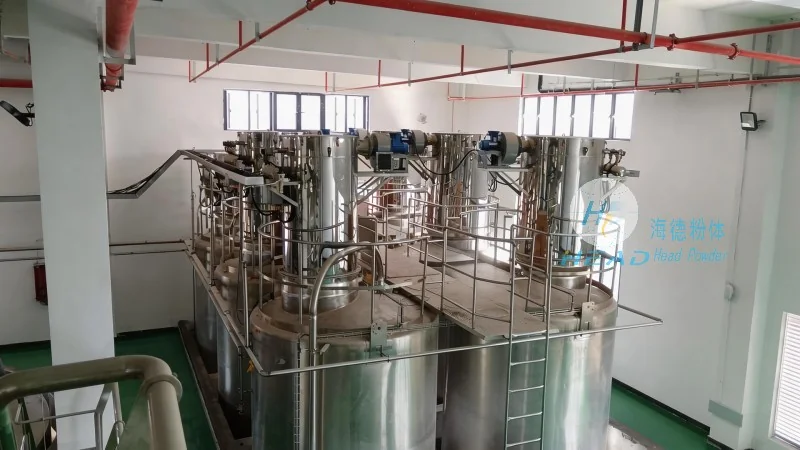
Adopting a pneumatic conveying system for coconut shell powder offers numerous benefits that enhance both operational efficiency and workplace safety. One of the key advantages is the elimination of manual handling, which reduces labor costs and minimizes the risk of workplace injuries. The closed system design also prevents product contamination, ensuring that the coconut shell powder remains free from external pollutants. Additionally, pneumatic conveying allows for precise control over the flow rate and pressure, enabling consistent and reliable material delivery to downstream processes. The system's ability to handle materials with varying characteristics makes it versatile for different applications, from small-scale operations to large industrial facilities. Furthermore, pneumatic conveying reduces the risk of dust explosions compared to open systems, as the material is contained within the pipeline. This enhances overall safety in the workplace and reduces the need for additional safety measures. The system also minimizes material degradation, as the powder is not subjected to excessive friction or impact during transport.
Shandong HeadPowder Engineering Co., Ltd.: Expertise in Pneumatic Conveying Solutions
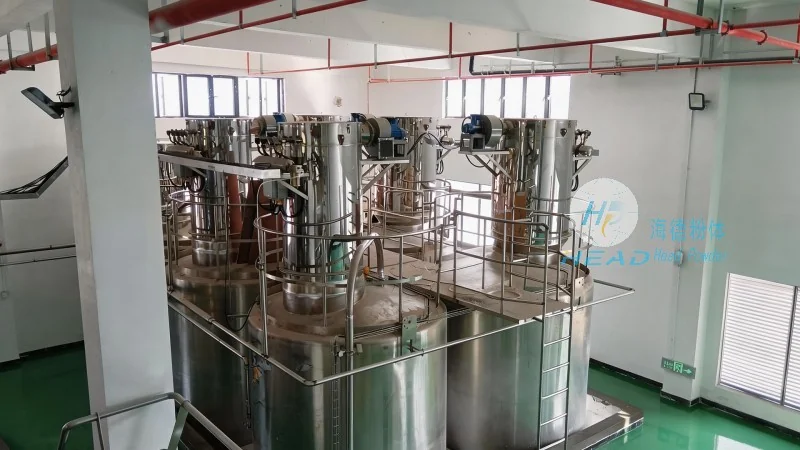
Shandong HeadPowder Engineering Co., Ltd. is a prominent player in the field of pneumatic conveying technology, specializing in systems designed specifically for bulk materials like coconut shell powder. The company has built a reputation for delivering high-quality, customized solutions that meet the unique requirements of its clients. HeadPowder's team of engineers and technicians possesses extensive knowledge and experience in material handling, enabling them to design systems that optimize performance and efficiency. The company's facilities are located in Shandong, China, where it leverages advanced manufacturing capabilities and state-of-the-art technology to produce reliable pneumatic conveying equipment. HeadPowder offers a range of services, including system design, installation, and maintenance, ensuring that clients receive comprehensive support throughout the lifecycle of their equipment. By partnering with HeadPowder, industries can benefit from expert guidance in selecting the most suitable pneumatic conveying system for their coconut shell powder handling needs, ultimately improving operational productivity and reducing costs.