

What are the conveying methods for broad beans? Introduction to Haide broad bean pneumatic conveying method
When it comes to the transportation of broad beans—a staple ingredient in many food processing industries—choosing the right conveying method directly impacts product quality, operational efficiency, and overall cost. Broad beans, with their relatively hard outer shell and irregular shape, require careful handling to avoid breakage, dust generation, or contamination. Among the various techniques available, pneumatic conveying has emerged as a highly effective solution. This article explores the most common broad bean conveying methods, with a special focus on the advanced pneumatic conveying systems developed by Shandong Headpowder Engineering Co., Ltd. (headpowder).
Why Conveying Method Matters for Broad Beans
Broad beans, also known as fava beans, are widely used in snacks, flour, and animal feed. Their physical properties—such as bulk density, particle size distribution, and moisture content—determine which conveying method is suitable. Traditional mechanical conveyors like belt conveyors, bucket elevators, and screw conveyors have been used for decades, but they often suffer from issues like product degradation, high maintenance, and limited flexibility. On the other hand, pneumatic conveying—also called air conveying or material conveying—uses a stream of air to move broad beans through enclosed pipelines, offering gentler handling, lower dust emissions, and easier routing. Headpowder specializes in designing and manufacturing such systems tailored to the unique requirements of broad bean processing.
Common Broad Bean Conveying Methods
Before diving into the headpowder solution, let us review the primary conveying methods available for broad beans:
1. Mechanical Conveying – This includes belt conveyors, screw conveyors, and bucket elevators. Belt conveyors are simple and low-cost but require frequent cleaning and can cause bean damage at transfer points. Screw conveyors are compact but generate high friction, leading to surface abrasion on broad beans. Bucket elevators are good for vertical lifting but are prone to clogging and dust leakage.
2. Pneumatic Conveying (Air Conveying) – This method uses air pressure or vacuum to transport broad beans through pipes. It can be divided into dilute phase and dense phase systems. Dilute phase conveys beans at high velocity with low material-to-air ratio, while dense phase moves them more slowly, reducing breakage. Pneumatic conveying is ideal for long distances, multiple destinations, and complex layouts.
3. Vibratory Conveying – Uses vibration to move beans along a trough. Gentle but limited to short distances and horizontal or slightly inclined paths.
4. Gravity Conveying – Relies on gravity through chutes. Simple but lacks control and can cause impact damage if not properly designed.
Among these, pneumatic conveying stands out for its versatility and gentleness, especially when designed by a professional engineering company like headpowder.
Introduction to Headpowder's Broad Bean Pneumatic Conveying System
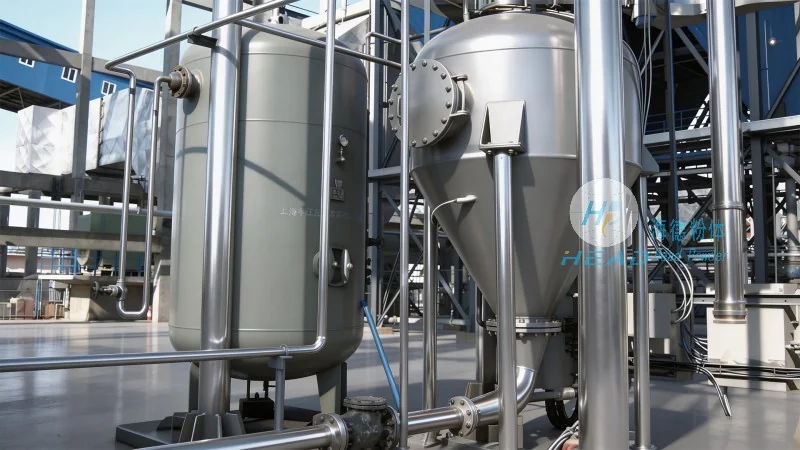
Headpowder, officially known as Shandong Headpowder Engineering Co., Ltd., is a leading manufacturer based in Shandong, China, specializing in pneumatic conveying systems for granular and powdery materials. Their broad bean pneumatic conveying solution is engineered to handle the specific challenges of broad bean transport. Unlike generic systems, headpowder's design considers the bean's size, weight, and fragility, ensuring minimal breakage and dust generation. The system uses a combination of positive pressure and vacuum technology to move broad beans smoothly from storage silos to processing lines, packaging stations, or other destinations. The entire process is enclosed, preventing contamination and maintaining hygiene standards required in food processing.
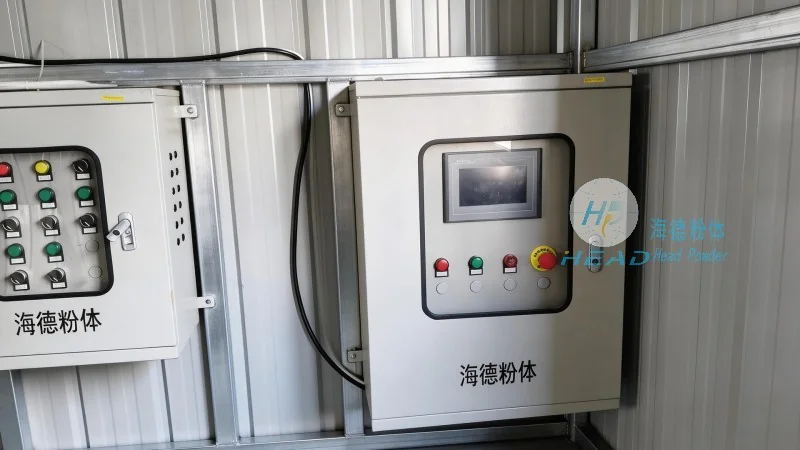
One of the key advantages of headpowder's approach is the ability to customize the system according to the facility layout. Whether you need to convey broad beans horizontally over 50 meters or vertically up several floors, the pneumatic conveying system can be adapted without major structural changes. The control system is automated, allowing precise regulation of air flow, material velocity, and discharge rates. This eliminates manual intervention and reduces labor costs. For businesses seeking reliable broad bean conveying, headpowder's pneumatic solution offers a significant upgrade over traditional mechanical methods.
How Headpowder's Pneumatic Conveying Works for Broad Beans
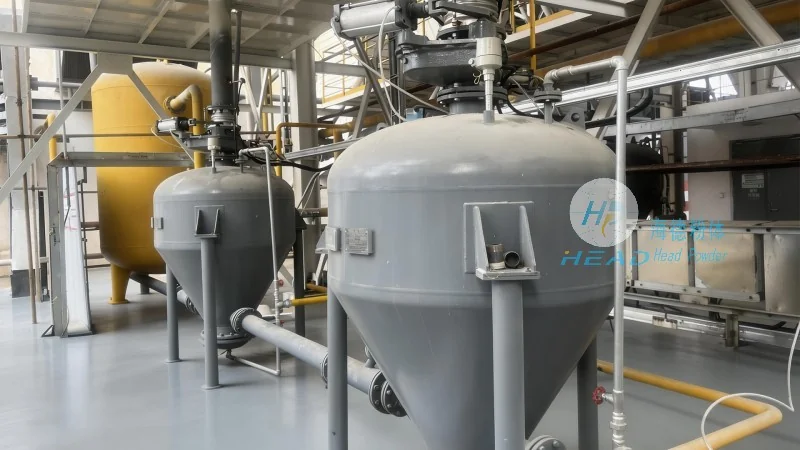
The headpowder broad bean pneumatic conveying system typically operates in a closed loop. At the intake point, broad beans are fed into a rotary valve or a venturi feeder, where they are mixed with a high-velocity air stream. The air carries the beans through stainless steel or carbon steel pipelines. The system can be configured as a positive pressure system (pushes the beans) or a vacuum system (pulls the beans). For sensitive materials like broad beans, a dense phase design is often recommended. In dense phase pneumatic conveying, the beans move in plugs or slugs at low velocity, with air pressure building up behind each plug. This reduces impact forces and practically eliminates breakage.
Headpowder's engineers carefully calculate the optimal air velocity, pipeline diameter, and bend radius to prevent blockages and wear. The system includes air filters, silencers, and pressure relief valves to ensure safe and quiet operation. At the discharge end, a cyclone separator or a bag filter separates the beans from the air, dropping them gently into a hopper or directly into the next process. The cleaned air can be recirculated or exhausted after filtration. This closed-loop design not only protects the product but also minimizes dust emissions, meeting strict environmental regulations.
Benefits of Choosing Headpowder for Broad Bean Conveying
Shandong Headpowder Engineering Co., Ltd. has extensive experience in material conveying across multiple industries, including food, chemical, and agriculture. When it comes to broad bean pneumatic conveying, the company offers several distinct advantages:
Gentle Handling: The system is designed to minimize mechanical stress on broad beans, preserving their integrity for further processing like roasting, grinding, or packaging.
High Efficiency: Pneumatic conveying can move large volumes of broad beans continuously, with capacities ranging from a few hundred kilograms to several tons per hour.
Flexibility: Pipelines can be routed around existing equipment, through walls, and over obstacles, making it ideal for retrofitting older plants.
Low Maintenance: With fewer moving parts compared to mechanical conveyors, headpowder's pneumatic systems require less frequent maintenance and have a longer service life.
Hygienic Design: The enclosed system prevents contamination from dust, pests, and foreign materials, crucial for food-grade broad bean processing.
These benefits make headpowder a trusted partner for companies looking to upgrade their broad bean conveying operations. The company's team, led by General Manager Zhang, provides comprehensive support from initial consultation to installation and after-sales service. For inquiries, you can contact Zhang via WeChat: 15662777102.
Comparing Pneumatic Conveying to Other Methods for Broad Beans
To fully appreciate the value of headpowder's broad bean pneumatic conveying, it is helpful to compare it with alternative methods. Mechanical belt conveyors, for instance, are inexpensive upfront but often require frequent belt replacement and cleaning. They also have exposed surfaces that can collect dust and harbor bacteria. Screw conveyors, while compact, cause significant abrasion on broad beans—especially when the screw speed is high—leading to broken beans and fines. Bucket elevators are prone to spillage at the loading and discharge points, creating waste and safety hazards.
In contrast, pneumatic conveying provides a completely sealed environment. The air stream itself acts as a cushion, reducing impact. Headpowder's system also incorporates specially designed bends and wear-resistant linings to further protect the beans. For large-scale operations that require transferring broad beans from a central receiving area to multiple production lines, a pneumatic system with diverter valves can distribute the product automatically, something mechanical conveyors cannot do easily. Additionally, the energy consumption of a well-designed pneumatic system is often comparable to or lower than that of a combination of mechanical conveyors, especially when considering maintenance and downtime costs.
Customization and Integration by Headpowder
Every broad bean processing facility has unique requirements. Some may need to convey beans from outdoor storage to indoor processing, while others require integration with existing cleaning, sorting, or roasting equipment. Headpowder offers custom design services to match these needs. Their engineers visit the site, measure available space, study the material flow, and then propose a tailored pneumatic conveying solution. The system can be integrated with upstream and downstream equipment through programmable logic controllers (PLCs) for seamless automation. For example, the broad bean conveying rate can be synchronized with the demand of a roasting machine, ensuring consistent feed without overloading.
Headpowder also provides a range of accessories, including air compressors, dryers, filters, and control panels, all sourced from reputable brands. The company's manufacturing facility in Shandong, China, adheres to strict quality standards, and each system undergoes rigorous testing before delivery. After installation, headpowder offers training for operators and maintenance staff to ensure optimal performance. Should any issues arise, the technical support team is available to assist. For project inquiries, contact Zhang (Manager) at WeChat: 15662777102.
Real-World Applications of Headpowder's Broad Bean Pneumatic Conveying
Headpowder's pneumatic conveying systems have been successfully deployed in various food processing plants handling broad beans. For instance, a snack manufacturer in China needed to move broad beans from a washing station to a frying line without causing breakage. The traditional bucket elevator was causing up to 5% damage. After installing headpowder's dense phase pneumatic system, the breakage rate dropped to below 0.5%, and the plant saw a 20% reduction in cleaning time. Another example involves a flour mill that required conveying broad beans to a grinding mill located 80 meters away. The mechanical conveyor system was too long and prone to misalignment. Headpowder designed a vacuum pneumatic system that easily navigated the distance and allowed multiple discharge points for different grind sizes. The client reported significant improvement in product consistency and reduced dust emissions.
These examples demonstrate that headpowder's broad bean conveying solution is not just a theoretical concept but a proven technology that delivers tangible benefits. Whether you are a small-scale processor or a large industrial facility, the company can scale the system to meet your throughput needs. The combination of engineering expertise, quality manufacturing, and customer-centric service makes headpowder a reliable choice for any material conveying project involving broad beans or similar granular products.
Final Thoughts on Broad Bean Conveying Methods
Selecting the right conveying method for broad beans is a critical decision that affects product quality, operational efficiency, and long-term profitability. While mechanical conveyors remain an option for simple applications, pneumatic conveying—especially as designed by Shandong Headpowder Engineering Co., Ltd.—offers superior performance in terms of gentleness, flexibility, and hygiene. The headpowder team, led by General Manager Zhang, has the experience and technology to tailor a system that fits your exact needs. To learn more about how headpowder's broad bean pneumatic conveying can transform your production line, reach out to Zhang via WeChat: 15662777102. With a proven track record and a commitment to innovation, headpowder is your partner in efficient and reliable material conveying.