

Types and Practical Applications of Pneumatic Conveying Systems for Potassium Carbonate Transport
Potassium carbonate, a critical chemical widely used in industries such as glass manufacturing, food processing, and chemical synthesis, requires efficient and reliable transport solutions to ensure smooth production processes. Pneumatic conveying systems have emerged as a preferred method for handling potassium carbonate due to their ability to transport bulk materials over long distances with minimal dust generation and reduced risk of contamination. This article explores the various types of pneumatic conveying systems used in potassium carbonate transport and their practical applications, highlighting the advantages and considerations for each system type. HeadPowder, a leading engineering company based in Shandong, China, specializes in the design and implementation of pneumatic conveying systems for various bulk material transport applications, including potassium carbonate. With years of experience in the industry, HeadPowder has developed expertise in tailoring pneumatic conveying solutions to meet the specific needs of clients, ensuring efficient and reliable material handling.
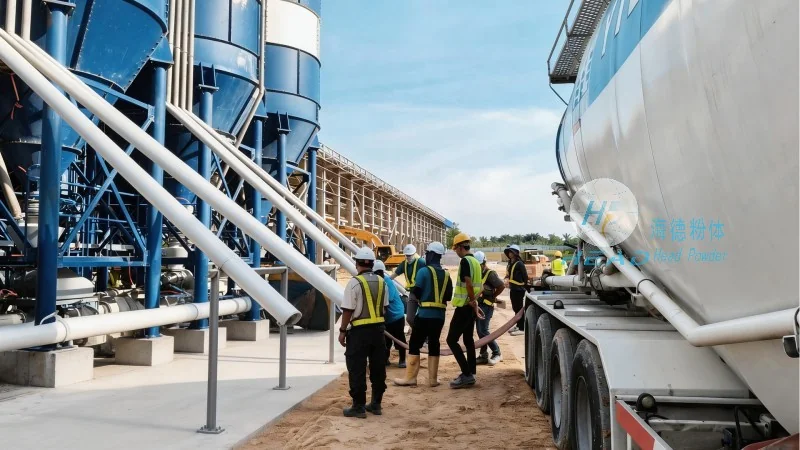
Types of Pneumatic Conveying Systems
There are primarily two main categories of pneumatic conveying systems: positive pressure and negative pressure systems. Each type has distinct characteristics that make it suitable for different operational conditions and material properties.
Positive Pressure Pneumatic Conveying Systems
Positive pressure systems operate by blowing air or gas into the conveying line, creating a pressure higher than the ambient air pressure. This method is particularly effective for transporting potassium carbonate in a dry, free-flowing state. The system typically consists of a blower, a hopper for material storage, a feeder to control the flow rate, and a pipeline that transports the material to the destination. Positive pressure systems are known for their high conveying capacity and ability to handle long distances and multiple transfer points. They are also suitable for applications where the material needs to be delivered to multiple destinations from a single source.
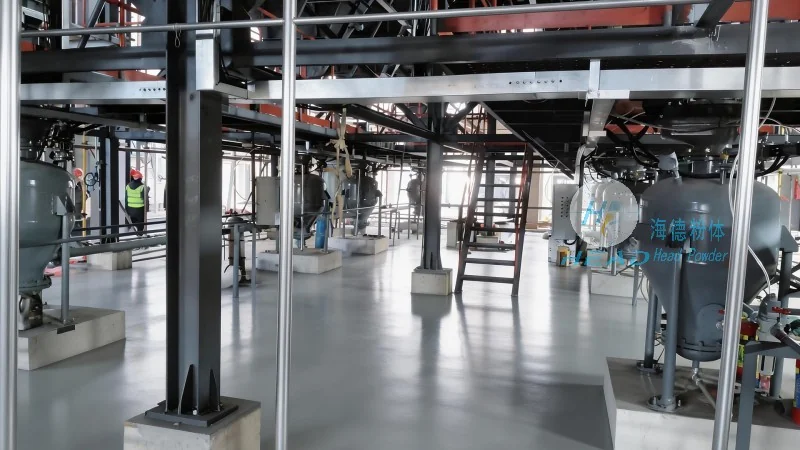
Negative Pressure Pneumatic Conveying Systems
Negative pressure systems, also known as vacuum systems, operate by creating a vacuum in the conveying line, drawing material from the source into the pipeline. This method is ideal for applications where the material is sensitive to pressure changes or where the need is to transport material from multiple points into a single collection point. Negative pressure systems are generally more suitable for shorter distances and lower material flow rates compared to positive pressure systems. They are also advantageous in environments where dust control is critical, as the system draws material into the pipeline rather than expelling it.
Practical Applications in Potassium Carbonate Handling
The choice of pneumatic conveying system for potassium carbonate transport depends on several factors, including the material's characteristics, the distance to be covered, the number of transfer points, and the environmental requirements. For example, in glass manufacturing plants, where large quantities of potassium carbonate are used, positive pressure systems are often preferred due to their high capacity and ability to handle long conveying distances. These systems can efficiently transport the material from storage silos to the glass melting furnaces, ensuring a consistent and uninterrupted supply.
In food processing industries, where hygiene and contamination control are paramount, negative pressure systems may be more suitable. These systems can transport potassium carbonate in a closed pipeline, minimizing dust exposure and maintaining product purity. This is particularly important when the material is used in food applications, as any contamination could lead to product recalls and regulatory issues.
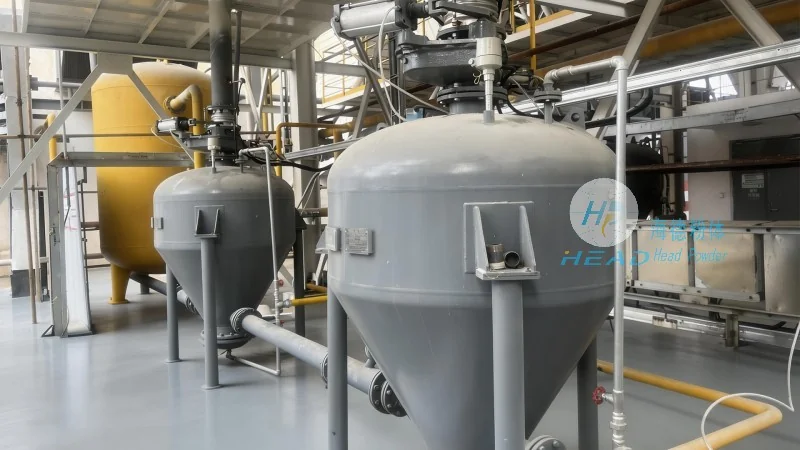
Advantages and Considerations
Both positive and negative pressure pneumatic conveying systems offer significant advantages for potassium carbonate transport. Positive pressure systems provide high conveying efficiency, flexibility in system design, and the ability to handle abrasive materials without excessive wear on the equipment. Negative pressure systems, on the other hand, excel in dust control and are suitable for applications where the material is sensitive to pressure variations or where the need is to collect material from multiple sources.
However, each system type also has its considerations. Positive pressure systems require more energy to operate due to the need to maintain a higher pressure, and they may generate more noise and vibration. Negative pressure systems, while effective in dust control, can be more complex to maintain and may require more frequent cleaning of the pipeline to prevent material buildup.