

Types and Practical Applications of Pneumatic Conveying Systems for Calcium Phosphate Transport
HeadPowder, a leading engineering company based in Shandong, China, specializes in the design and implementation of advanced pneumatic conveying systems tailored for the transport of calcium phosphate materials. This article explores the various types of pneumatic conveying systems and their practical applications in handling calcium phosphate, a critical component in the production of fertilizers, food additives, and pharmaceuticals.
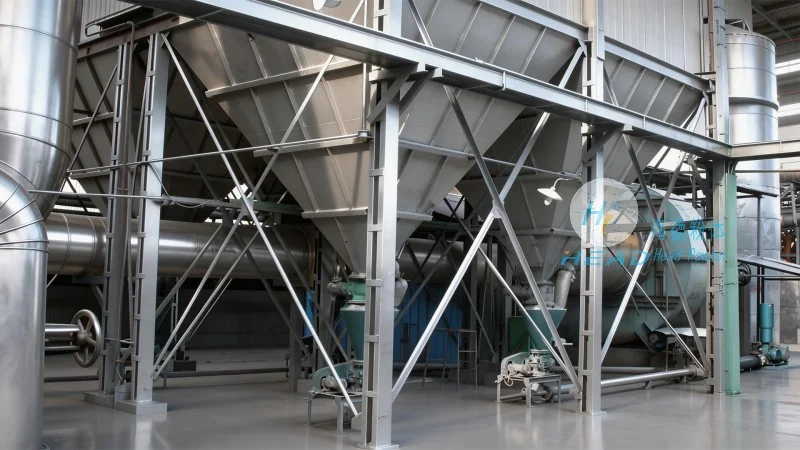
Types of Pneumatic Conveying Systems for Calcium Phosphate Transport
There are primarily two main categories of pneumatic conveying systems used for calcium phosphate transport: positive pressure systems and negative pressure systems. Each type has distinct characteristics and is suitable for different operational requirements.
Positive pressure systems, also known as pressure conveying systems, operate by forcing air or gas through the material to be transported. These systems are generally more suitable for long-distance or high-capacity transport, as they can maintain consistent pressure and flow rates. The positive pressure system typically includes a blower or compressor at the discharge end, which pushes the material through the pipeline. This method is effective for transporting calcium phosphate from storage silos to processing units, ensuring efficient and continuous material flow.
Negative pressure systems, or vacuum conveying systems, create a vacuum at the receiving end to draw the material into the pipeline. These systems are often preferred for short-distance or low-volume transport, particularly when the material is sensitive to pressure changes or when the material is to be collected from multiple sources. The negative pressure system uses a vacuum pump at the inlet to pull the material into the pipeline, which is then transported to the processing facility. This approach is ideal for handling calcium phosphate from bulk bags or hoppers, ensuring minimal material degradation and consistent quality.
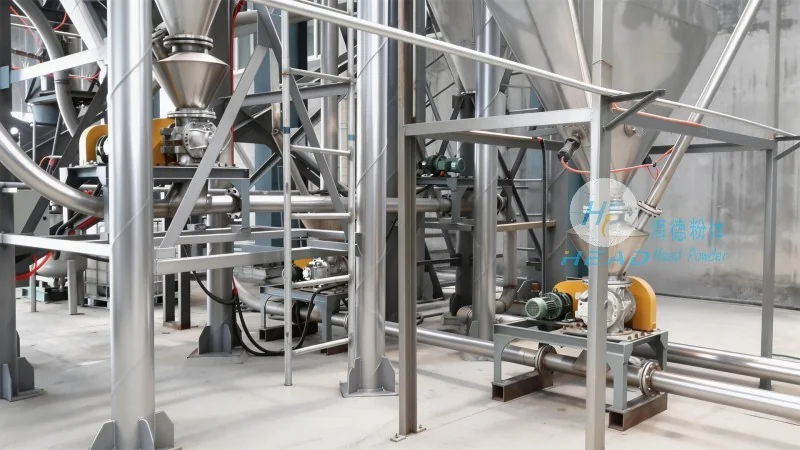
Practical Applications in Calcium Phosphate Processing
The practical applications of pneumatic conveying systems for calcium phosphate are diverse and essential across various industries. In the fertilizer industry, these systems are crucial for transporting calcium phosphate from raw material storage to the production line, where it is blended with other nutrients to create high-quality fertilizers. The consistent flow provided by pneumatic conveying systems ensures that the mixing process is efficient, reducing downtime and improving product uniformity.
In the food and pharmaceutical industries, the handling of calcium phosphate requires strict adherence to hygiene and contamination control. Pneumatic conveying systems, especially negative pressure designs, are preferred for their ability to maintain a clean environment and prevent cross-contamination. These systems are used to transport calcium phosphate from raw material hoppers to processing equipment, such as granulators or mixers, ensuring that the final product meets stringent quality standards.
Additionally, in the chemical industry, calcium phosphate is used as a filler or additive in various products. Pneumatic conveying systems enable the efficient transport of these materials from storage to production lines, supporting the manufacturing of coatings, plastics, and other chemical products. The reliability of these systems ensures that production processes run smoothly, minimizing material losses and maximizing productivity.
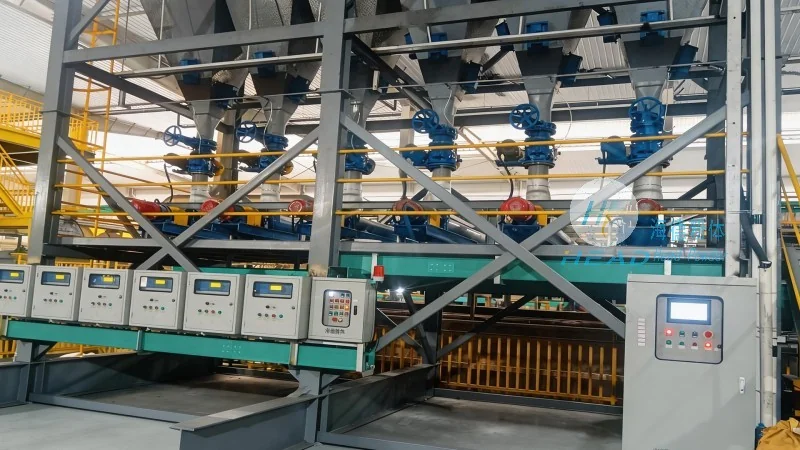
Advantages of Using Pneumatic Conveying Systems for Calcium Phosphate
Implementing pneumatic conveying systems for calcium phosphate transport offers several advantages over traditional methods like belt conveyors or bucket elevators. One of the key benefits is the ability to handle fine or powdery materials without the risk of blockages or material degradation. The enclosed pipeline system prevents dust emissions, which is critical for maintaining a safe and clean working environment, especially in industries where calcium phosphate is used in food or pharmaceutical applications.
Another advantage is the flexibility in system design. Pneumatic conveying systems can be customized to suit specific operational needs, including varying material flow rates, distances, and material characteristics. This adaptability allows companies to optimize their material handling processes, reducing energy consumption and operational costs over time.
Furthermore, the continuous operation of pneumatic conveying systems ensures a steady supply of calcium phosphate to processing units, which is essential for maintaining production efficiency. Unlike batch handling methods, pneumatic systems provide a consistent flow, reducing the need for manual intervention and improving overall process control.