

Design of a Negative Pressure Pneumatic Conveying Device for Desulfurization Sodium Bicarbonate
HeadPowder, a leading engineering firm based in Shandong, China, specializes in the design and manufacturing of advanced material handling systems. Our expertise lies in creating efficient and reliable solutions for transporting bulk materials, particularly in industrial applications such as desulfurization processes. This article focuses on the design of a negative pressure pneumatic conveying device specifically tailored for the transportation of sodium bicarbonate used in flue gas desulfurization (FGD) systems.
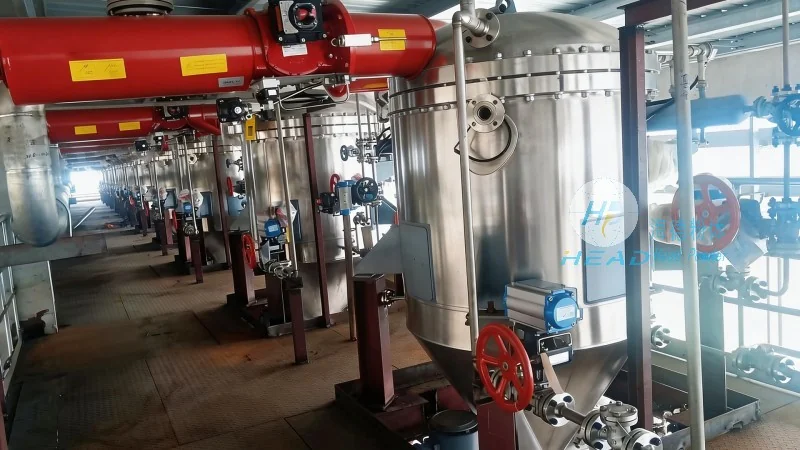
Overview of the Negative Pressure Pneumatic Conveying System
The negative pressure pneumatic conveying system is a critical component in modern industrial operations, especially in power plants and chemical facilities where the safe and efficient transport of desulfurization reagents is essential. Unlike positive pressure systems, which use compressed air to push material through pipelines, negative pressure systems utilize a vacuum to draw material from the source to the destination. This approach offers several advantages, including lower energy consumption, reduced material degradation, and enhanced safety by minimizing dust emissions and preventing the backflow of air.
Key Components and Design Considerations
The design of the negative pressure pneumatic conveying device for sodium bicarbonate involves several key components, each carefully selected to ensure optimal performance and durability. The primary components include a vacuum pump, a material feed hopper, a rotary airlock valve, a filter system, and a discharge unit. The vacuum pump is responsible for creating the necessary negative pressure within the system, while the feed hopper stores the sodium bicarbonate and feeds it into the pipeline. The rotary airlock valve acts as a gate to control the flow of material, preventing backflow and ensuring consistent delivery. The filter system is crucial for capturing any fine particles and preventing them from entering the vacuum pump, which could cause damage or reduce efficiency. The discharge unit is designed to safely release the material at the destination, often into a storage silo or processing equipment.
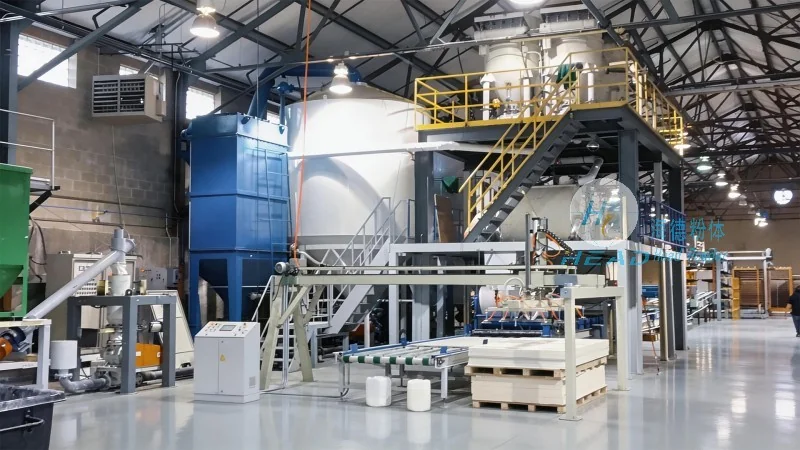
Material Selection and System Durability
Given the corrosive nature of sodium bicarbonate and the potential presence of acidic gases in the desulfurization process, the selection of materials for the conveying system is paramount. All components, including the hopper, pipeline, and valves, are constructed from corrosion-resistant materials such as stainless steel or high-grade alloys. The pipeline is designed with smooth, rounded bends to minimize friction and prevent material buildup, which could lead to blockages. Additionally, the system incorporates wear-resistant liners in high-stress areas, such as the discharge point and valve seats, to extend the operational life of the equipment.
Control and Automation Features
Modern negative pressure pneumatic conveying systems are equipped with advanced control and automation features to enhance operational efficiency and safety. The system includes a programmable logic controller (PLC) that monitors and controls the vacuum pump, feed rate, and material flow. Sensors are installed throughout the system to detect pressure levels, material levels, and any blockages, providing real-time feedback to the control system. This allows for immediate adjustments to maintain optimal performance and prevent system failures. The automation features also enable remote monitoring and diagnostics, reducing downtime and maintenance costs.
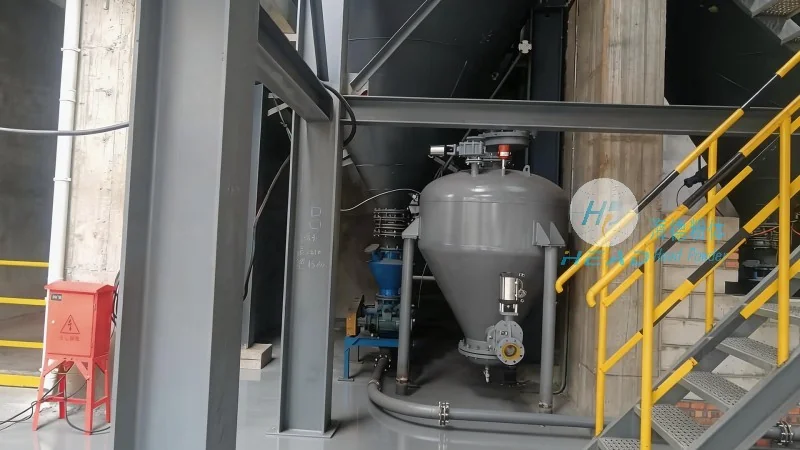
Environmental and Safety Considerations
Environmental and safety considerations are integral to the design of the negative pressure pneumatic conveying device. The system is engineered to minimize dust emissions and ensure compliance with environmental regulations. The filter system effectively captures fine particles, preventing them from being released into the atmosphere. Additionally, the system includes safety features such as pressure relief valves and emergency shut-off mechanisms to prevent over-pressurization and ensure the safety of operators. The use of negative pressure also reduces the risk of material spillage and contamination, contributing to a cleaner and safer working environment.
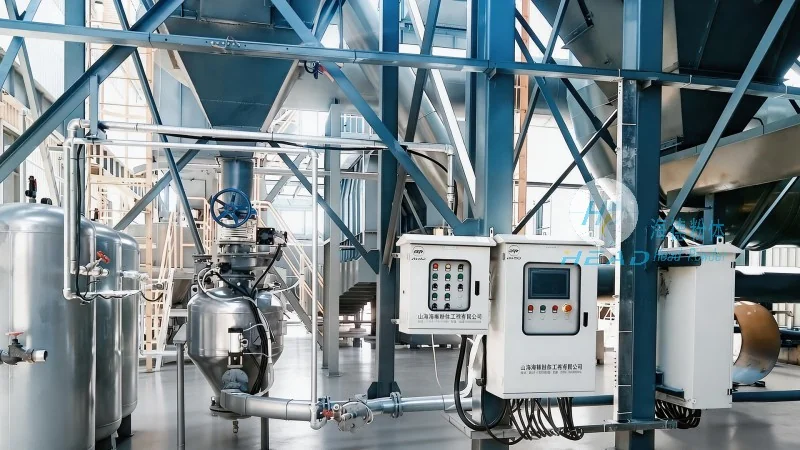
Application and Performance Metrics
The negative pressure pneumatic conveying device for sodium bicarbonate is specifically designed for use in flue gas desulfurization systems, where it plays a critical role in transporting the reagent to the scrubber. The system is capable of handling large volumes of material at a consistent rate, ensuring that the desulfurization process operates efficiently. Performance metrics, such as the conveying capacity, pressure drop, and material recovery rate, are optimized through careful design and testing. The system is capable of conveying sodium bicarbonate at rates up to 10 tons per hour over distances of up to 100 meters, depending on the specific application requirements.
Conclusion
HeadPowder's design of a negative pressure pneumatic conveying device for desulfurization sodium bicarbonate represents a significant advancement in material handling technology. By combining advanced engineering principles with robust materials and automation, the system offers superior performance, reliability, and safety. The device is an essential component in modern desulfurization processes, contributing to the reduction of sulfur dioxide emissions and the protection of the environment. With its headquarters in Shandong, China, HeadPowder continues to innovate and provide high-quality engineering solutions to meet the evolving needs of the industrial sector.