

Design of a Negative Pressure Pneumatic Conveying System for Shredded Paper
Shandong HeadPowder Engineering Co., Ltd., a leading manufacturer based in Shandong, China, specializes in the design and development of advanced pneumatic conveying systems tailored for various industrial applications. The company's expertise lies in creating efficient and reliable solutions for material handling, particularly in the processing of shredded paper and similar light, low-density materials. This article focuses on the design principles and technical aspects of a negative pressure pneumatic conveying system specifically engineered for transporting shredded paper, highlighting the innovative features and practical applications of such a system.
Overview of Negative Pressure Pneumatic Conveying Systems
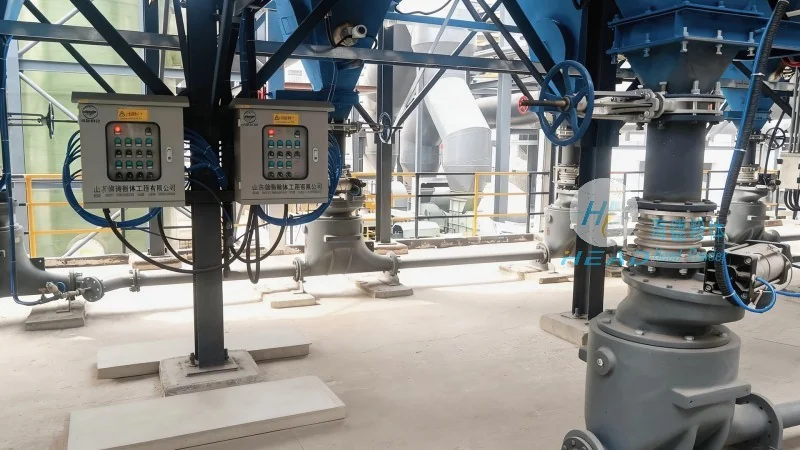
Negative pressure pneumatic conveying, also known as suction conveying, operates by creating a vacuum in the conveying line to draw material from the source to the destination. This method is particularly advantageous for handling fine, dusty, or lightweight materials like shredded paper, as it minimizes dust dispersion and reduces the risk of material degradation during transport. The system typically consists of a vacuum pump, a material feed hopper, a conveying pipe network, and a collection tank or silo. The vacuum pump generates the necessary suction force, while the feed hopper ensures a consistent supply of material, and the pipe network transports the material efficiently to the desired location.
Key Design Considerations for Shredded Paper Conveying
When designing a pneumatic conveying system for shredded paper, several critical factors must be considered to ensure optimal performance and reliability. First, the material's physical properties, such as particle size, moisture content, and bulk density, play a significant role in determining the appropriate conveying velocity and pressure drop. Shredded paper is characterized by its low bulk density and high dust potential, which necessitates a system with sufficient suction capacity to maintain material flow without excessive pressure loss. Second, the system's layout and pipe configuration are crucial for minimizing energy consumption and preventing blockages. The use of appropriate pipe diameters, bends, and fittings is essential to maintain a smooth flow and avoid material accumulation or clogging. Third, the selection of the vacuum pump and its capacity is critical. The pump must be capable of generating the required negative pressure to overcome the resistance in the pipe network and the material's resistance to flow. Additionally, the system should incorporate features like air filtration and moisture control to maintain the quality of the conveyed material and protect the equipment from damage.
System Components and Their Functions
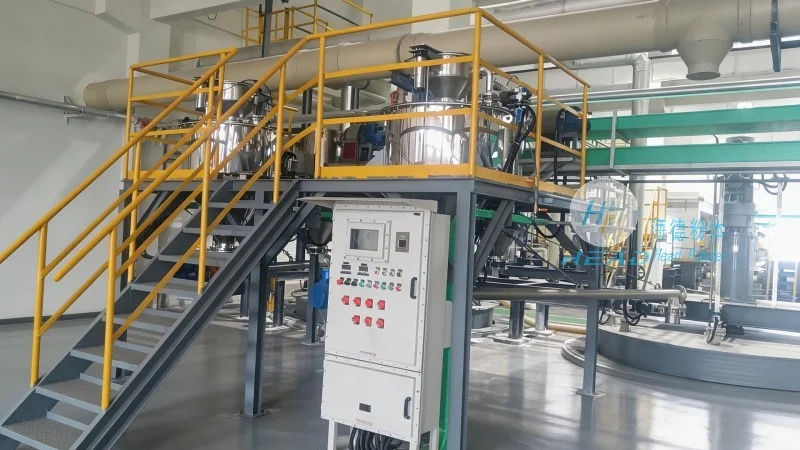
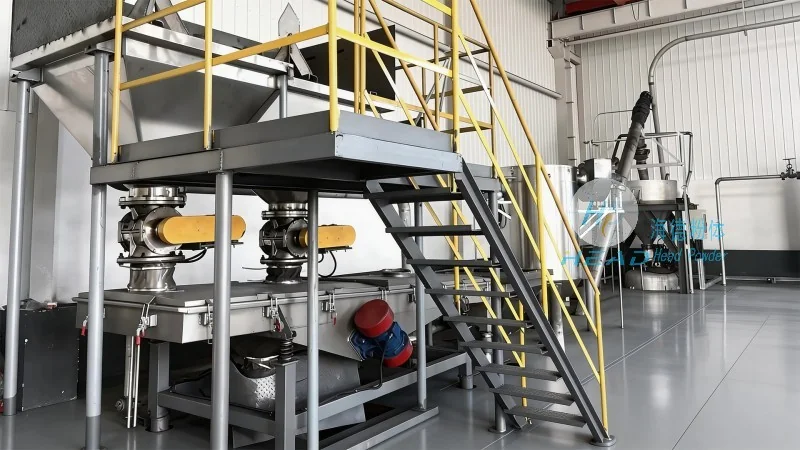
The negative pressure pneumatic conveying system for shredded paper consists of several key components, each playing a vital role in the overall operation. The vacuum pump is the heart of the system, responsible for generating the necessary suction force. It can be a rotary vane pump, a roots blower, or a liquid ring pump, depending on the system's requirements and the material's properties. The material feed hopper is designed to hold the shredded paper and feed it into the conveying line at a controlled rate. The hopper typically includes a feed valve or a rotary valve to regulate the material flow and prevent backflow. The conveying pipe network is made of materials such as stainless steel or PVC, chosen for their durability and resistance to corrosion and abrasion from the shredded paper particles. The pipe network includes straight sections, bends, and fittings, all designed to minimize pressure drop and maintain a consistent flow velocity. The collection tank or silo is where the shredded paper is deposited after being conveyed, and it may include a discharge valve or a conveyor to transfer the material to the next processing stage. The system may also include air filtration equipment to capture any dust or particles that escape from the conveying line, ensuring compliance with environmental regulations and maintaining a clean working environment.
Advantages of Negative Pressure Pneumatic Conveying for Shredded Paper
Compared to positive pressure pneumatic conveying, negative pressure systems offer several advantages when handling shredded paper. First, they are more energy-efficient, as they require less power to maintain the suction force compared to the higher pressures needed in positive pressure systems. Second, they are more suitable for handling fine, dusty materials, as the vacuum helps to keep the material suspended in the air and prevents it from settling or clogging the pipe. Third, they are less likely to cause dust explosions or fires, as the system operates at lower pressures and temperatures. Fourth, they are more flexible in terms of layout, as the suction point can be located at any point along the pipe network, allowing for easy integration with existing processing equipment. Finally, they are more cost-effective for small to medium-scale applications, as they require less equipment and lower operating costs compared to larger positive pressure systems.

Application Examples and Performance Metrics
The negative pressure pneumatic conveying system designed by Shandong HeadPowder Engineering Co., Ltd. has been successfully implemented in various industrial applications, including paper recycling facilities, waste management plants, and manufacturing plants that process shredded paper as a raw material. The system has demonstrated excellent performance in terms of conveying efficiency, material quality, and energy consumption. For example, in a paper recycling plant, the system was able to convey shredded paper from a hopper to a storage silo over a distance of 50 meters with a conveying velocity of 10 meters per second, achieving a material flow rate of 2 tons per hour. The system's energy consumption was approximately 0.5 kilowatts per ton of material conveyed, which is significantly lower than that of positive pressure systems. The material quality was also maintained, with no visible dust or degradation of the shredded paper particles during transport. The system's reliability was further enhanced by the inclusion of safety features such as pressure relief valves, air filters, and moisture control devices, which ensured smooth operation and minimal downtime.
Conclusion and Future Developments
In conclusion, the negative pressure pneumatic conveying system for shredded paper designed by Shandong HeadPowder Engineering Co., Ltd. is a highly effective and reliable solution for handling lightweight, dusty materials. The system's design incorporates advanced features and components that optimize performance, energy efficiency, and material quality. By carefully considering the material's physical properties and the system's layout, the company has developed a system that meets the needs of various industrial applications. As the demand for efficient material handling solutions continues to grow, Shandong HeadPowder Engineering Co., Ltd. is committed to further developing and improving its pneumatic conveying systems, incorporating new technologies and materials to enhance performance and reduce costs. The company's expertise and experience in the field make it a trusted partner for businesses seeking reliable and efficient solutions for their material handling needs.