

Design of a Negative Pressure Pneumatic Conveying Device for Cotton Fiber
HeadPowder, a leading engineering firm based in Shandong, China, specializes in the design and development of advanced material handling solutions. This article focuses on the innovative negative pressure pneumatic conveying system specifically engineered for the efficient transport of cotton fiber. The system is a testament to the company's commitment to delivering high-performance, reliable equipment tailored to the unique demands of the textile industry.
Key Features of the Negative Pressure Pneumatic Conveying System
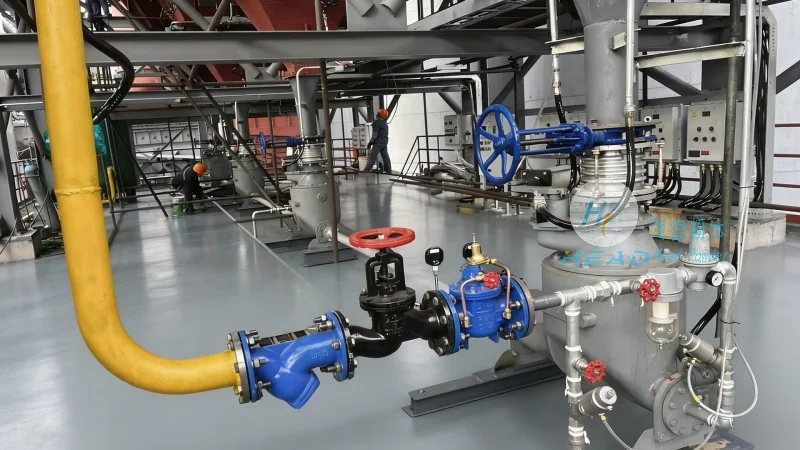
The negative pressure conveying device is engineered with precision to ensure optimal performance in handling cotton fiber. Key features include a robust vacuum pump system that creates a controlled suction environment, minimizing material degradation and ensuring consistent flow rates. The system incorporates high-quality filtration components to maintain air purity and prevent contamination, which is crucial for maintaining the quality of cotton fiber during transport. Additionally, the design incorporates adjustable speed controls and flow meters, allowing operators to fine-tune the conveying process according to specific production requirements. The device is constructed using corrosion-resistant materials, ensuring durability and longevity even in demanding industrial environments.
Technical Specifications and Performance
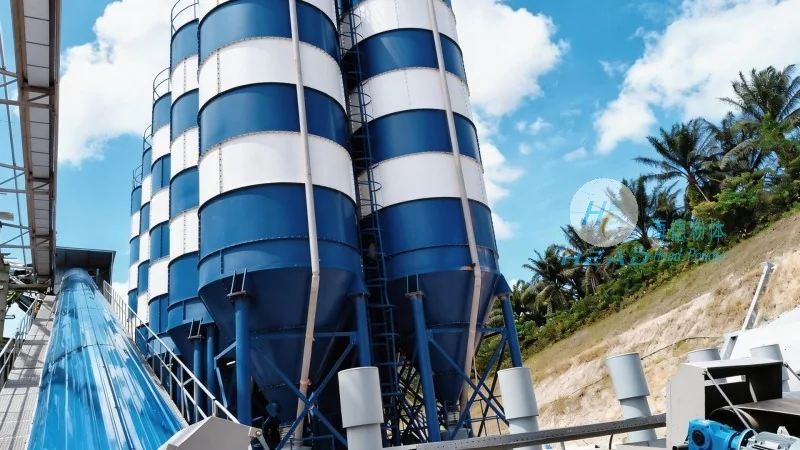
The negative pressure pneumatic conveying system for cotton fiber is equipped with technical specifications that meet industry standards for efficiency and reliability. The system can handle varying capacities, from small-scale applications to large industrial operations, with the ability to transport cotton fiber over considerable distances without loss of quality. The vacuum pump technology used in the system provides a stable and consistent negative pressure, ensuring that the cotton fiber is transported smoothly and without breakage. The filtration system is designed to capture fine particles and maintain air quality, which is essential for preventing dust accumulation and ensuring a safe working environment. The system also features an automated control panel that allows for easy monitoring and adjustment of operational parameters, enhancing overall operational efficiency.
Application and Benefits in the Textile Industry
The negative pressure pneumatic conveying device is widely used in the textile industry for the efficient transport of cotton fiber from storage areas to processing machines. The system offers several benefits, including reduced labor costs due to automated operation, minimized material loss during transport, and improved product quality through consistent handling. The negative pressure design ensures that the cotton fiber is transported gently, preserving its integrity and reducing the risk of damage that could affect the final textile product. Additionally, the system's compact design allows for easy integration into existing production lines, making it a versatile solution for various textile manufacturing facilities. The reliability of the system also contributes to increased production uptime, as it requires minimal maintenance and has a long service life.
Customization and After-Sales Support
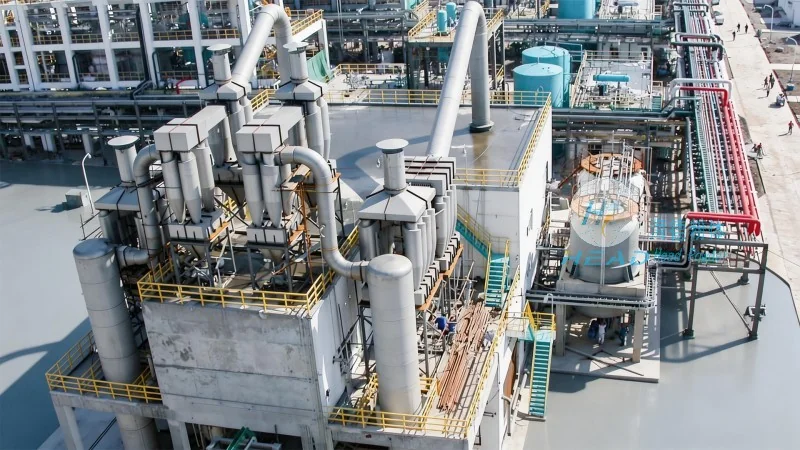
HeadPowder understands that each textile manufacturing facility has unique requirements, and therefore offers customization options for the negative pressure pneumatic conveying system. The company works closely with clients to design a system that meets their specific needs, including adjustments to capacity, distance, and material handling capabilities. After the system is installed, HeadPowder provides comprehensive after-sales support, including regular maintenance services, technical assistance, and spare parts availability. This ensures that the system operates at peak performance and minimizes downtime, providing long-term value to the client. The company's commitment to quality and customer satisfaction is reflected in its comprehensive service offerings, which include training for operators on the proper use and maintenance of the equipment.