

Working Principle and Features of Air-Powered Dust Cleaning Equipment
HeadPowder, a leading manufacturer based in Shandong, China, specializes in the design and production of advanced air-powered dust cleaning equipment. This equipment is engineered to efficiently handle the transportation and cleaning of dust and fine particles, making it an essential solution for various industrial applications. The following sections will delve into the working principle and key features of this equipment, providing a comprehensive understanding of its functionality and benefits.
Working Principle of Air-Powered Dust Cleaning Equipment
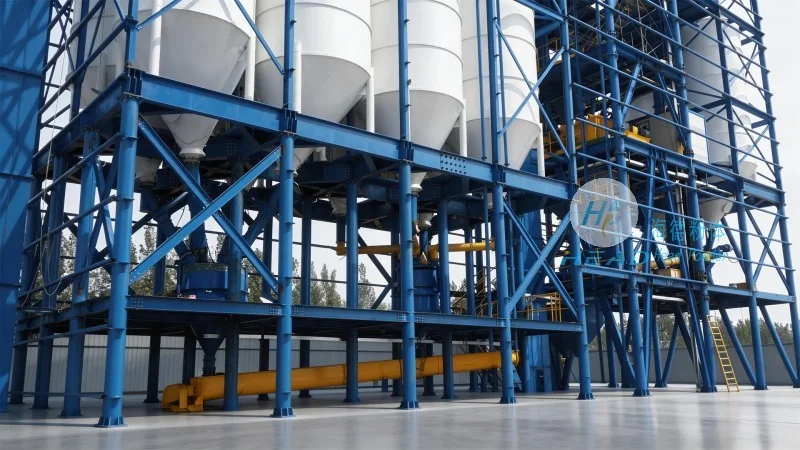
The core operation of air-powered dust cleaning equipment relies on the principles of pneumatic transport. The system typically consists of a blower or compressor that generates high-pressure air, which is then directed through a pipeline system. As the air flows, it creates a negative pressure or suction effect, drawing dust and particulate matter from the source (such as a hopper, silo, or production line) into the pipeline. The air stream carries the dust particles along the pipeline to a collection or processing unit, where the dust is separated from the air through filtration or cyclonic separation. This process ensures that the dust is transported safely and efficiently without the need for mechanical components that might cause wear or contamination.
Key Features of Air-Powered Dust Cleaning Equipment
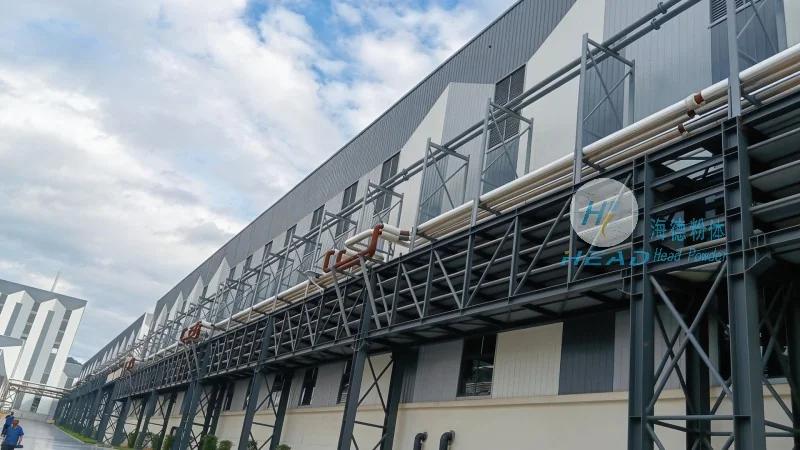
HeadPowder's air-powered dust cleaning equipment is designed with several notable features that enhance its performance and reliability. Firstly, the equipment utilizes a compact and lightweight design, which allows for easy installation in confined spaces or on existing production lines. The use of pneumatic technology eliminates the need for heavy mechanical parts, reducing maintenance costs and increasing operational longevity. Secondly, the system offers high efficiency in dust removal, with the ability to handle a wide range of particle sizes and concentrations. This makes it suitable for applications in industries such as cement, chemical, and food processing, where fine dust control is critical. Additionally, the equipment is equipped with advanced filtration systems that ensure the air discharged is clean and compliant with environmental regulations. The use of high-quality materials, such as stainless steel and corrosion-resistant components, further enhances the durability of the equipment under harsh operating conditions. Another key feature is the adjustable air flow control, which allows operators to optimize the system based on the specific dust load and pipeline length, ensuring efficient and energy-saving operation.
Advantages of Using Air-Powered Dust Cleaning Equipment
Implementing air-powered dust cleaning equipment brings numerous advantages to industrial operations. One of the primary benefits is the reduction in labor costs associated with manual dust removal, as the system automates the entire process. This not only improves operational efficiency but also enhances workplace safety by minimizing exposure to airborne dust particles. Additionally, the equipment helps in maintaining a cleaner and healthier working environment, which can lead to improved employee productivity and reduced health risks. From an environmental perspective, the system effectively controls dust emissions, contributing to compliance with local and national air quality standards. The energy efficiency of the pneumatic system also results in lower operational costs over time, making it a cost-effective solution for long-term use. Furthermore, the modular design of the equipment allows for easy integration with existing production systems, reducing downtime during installation and ensuring a smooth transition to automated dust management.
Application Examples and Industry Impact
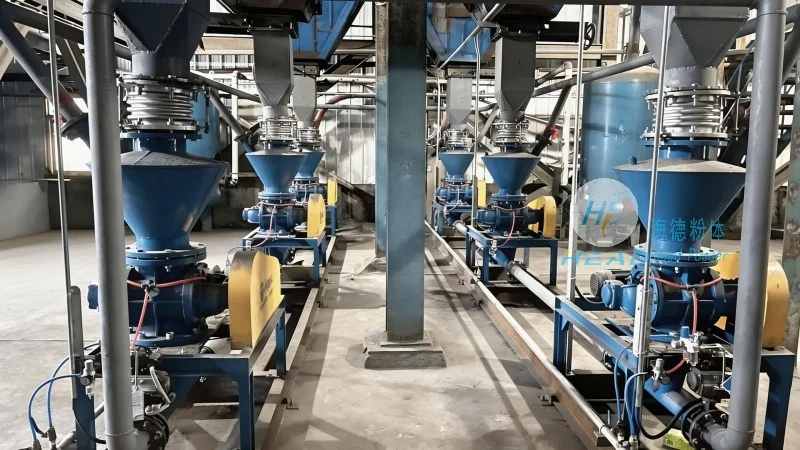
HeadPowder's air-powered dust cleaning equipment has been successfully applied in various industrial sectors. In the cement industry, the equipment is used to transport and clean raw materials and finished products, ensuring a consistent quality of cement. In the chemical industry, it helps in handling powders and granules, preventing contamination and improving product purity. The food processing industry also benefits from this equipment, as it maintains hygiene standards by controlling dust in production areas. The versatility of the system allows it to adapt to different operational requirements, making it a reliable choice for businesses looking to enhance their dust management strategies. By implementing this equipment, companies can achieve better control over their dust emissions, improve operational efficiency, and meet regulatory requirements, ultimately contributing to a more sustainable and productive industrial operation.