

Working Principle and Features of Feed Pneumatic Conveying Equipment
HeadPowder, a leading manufacturer based in Shandong, China, specializes in the design, development, and production of advanced feed pneumatic conveying systems. Our equipment is engineered to efficiently transport bulk materials like feed ingredients, ensuring reliable and cost-effective operations for the agricultural and animal feed industries.
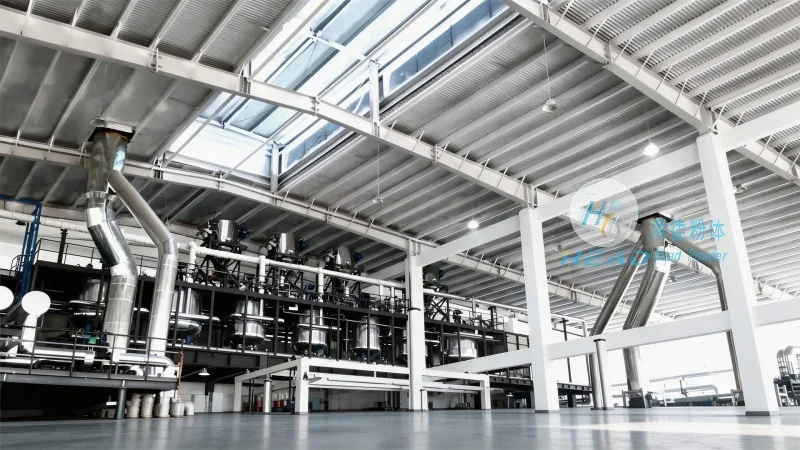
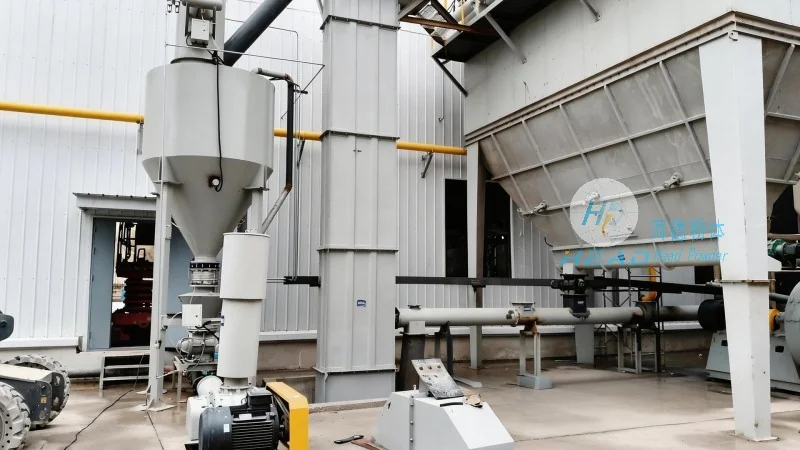
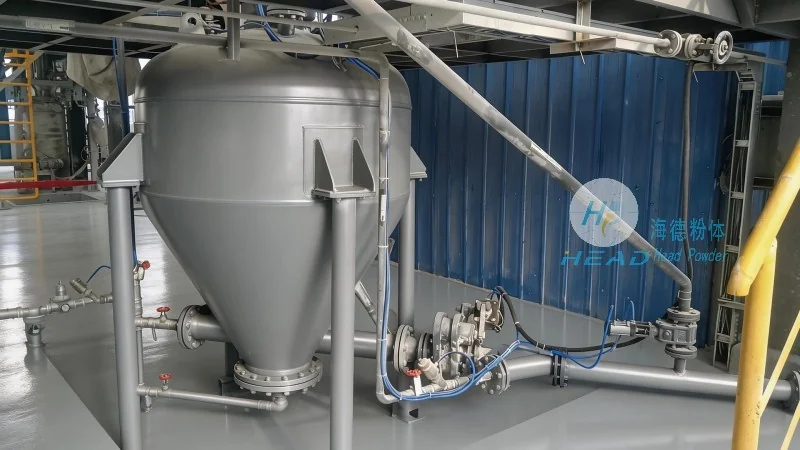
Working Principle of Feed Pneumatic Conveying Equipment
The core mechanism of feed pneumatic conveying equipment involves the use of air to move bulk materials through a pipeline system. This process typically operates under positive or negative pressure, depending on the specific system design. In a positive pressure system, air is blown into the conveying line, creating a pressure differential that propels the material forward. Conversely, negative pressure systems draw material into the line using suction, often employing vacuum pumps to create the necessary airflow. The equipment comprises several key components, including a material hopper, a conveyor pipeline, a rotary valve or feeder, a pressure or vacuum source, and a dust collector or filter. The material is first loaded into the hopper, where it is then fed into the pipeline by the feeder. The air flow, controlled by the pressure or vacuum source, transports the material through the pipeline to the discharge point. This method eliminates the need for mechanical components like belts or chains, reducing maintenance requirements and minimizing the risk of material contamination. The working principle can be further categorized into two main types: positive pressure (pressure) systems and negative pressure (suction) systems. In a positive pressure system, a blower generates high-pressure air that is introduced into the pipeline, carrying the material forward. The air and material mixture travels through the pipeline to the discharge point, where a separator separates the material from the air. In a negative pressure system, a vacuum pump creates a low-pressure environment, drawing material from the source into the line. The material is then transported to the discharge point, where the air and material mixture is separated by a filter. Both systems rely on the principle of air flow to move the material, with the choice of system type depending on factors such as the distance to be covered, the material characteristics, and the required throughput.
Key Features of Feed Pneumatic Conveying Equipment
Feed pneumatic conveying equipment from HeadPowder offers several distinct advantages that make it an ideal choice for feed processing facilities. Firstly, it provides high efficiency in material transport, with the ability to handle large volumes of feed ingredients over long distances with minimal energy consumption. The system's design ensures consistent and reliable material flow, which is crucial for maintaining uniform feed quality. Secondly, the equipment is highly hygienic and clean, as it operates without direct contact between the material and mechanical parts, reducing the risk of contamination from metal or other foreign objects. This is particularly important in the feed industry, where product purity is paramount. Thirdly, the system is flexible and adaptable, allowing for easy integration into existing feed processing lines and the ability to handle a wide range of feed materials, from powders to granules. Additionally, the equipment is low maintenance, with fewer moving parts compared to traditional mechanical conveyors, resulting in lower operational costs and longer service life. The use of air as the conveying medium also enables the system to operate in a dust-free environment, improving workplace safety and reducing the need for additional dust control measures. Furthermore, the system can be easily adjusted to accommodate changes in feed composition or processing requirements, providing operational flexibility. The high efficiency and low maintenance nature of the equipment contribute to reduced operational costs and increased productivity for feed manufacturers.