

Working Principle and Features of Pea Pneumatic Conveying Equipment
Pea pneumatic conveying equipment is a specialized system engineered to transport pea grains efficiently and reliably. This equipment is widely utilized in the agricultural and food processing sectors, providing a solution for handling and moving pea products with precision. The core of this technology revolves around the pneumatic conveying process, which leverages air movement to transport solid particles through a sealed system.

Working Principle of Pea Pneumatic Conveying Equipment
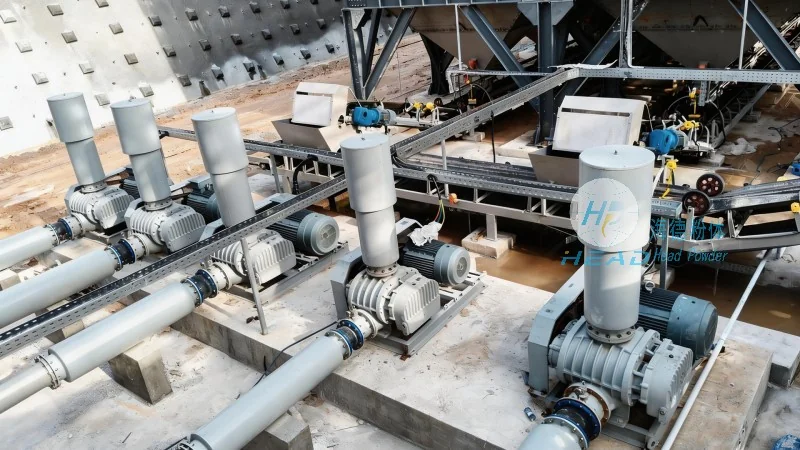
The working principle of pea pneumatic conveying equipment is grounded in the fundamental concept of air-driven material transport. The system typically comprises a hopper, a blower or air compressor, a network of pipelines, and a discharge outlet. When pea grains are loaded into the hopper, the blower generates a high-pressure air stream. This air stream creates a negative pressure within the pipeline, drawing the pea particles into the system. The air and pea mixture travels through the pipeline, with the pea grains suspended and transported to the discharge point. The system can operate in either positive or negative pressure modes, depending on the specific application and the length of the conveying line. The positive pressure system propels the material through the pipeline, while the negative pressure system pulls it. This flexibility allows the equipment to handle different conveying distances and material characteristics effectively. For instance, in short-distance conveying, a positive pressure system may be preferred to minimize energy consumption, whereas for longer distances, a combination of both positive and negative pressure zones might be employed to optimize performance.
Key Features of Pea Pneumatic Conveying Equipment
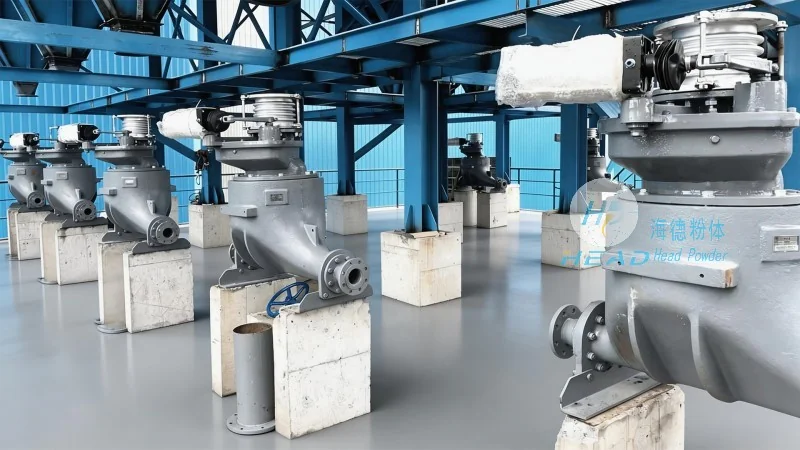
Pea pneumatic conveying equipment from Shandong HeadPowder Engineering Co., Ltd. offers several key features that enhance its performance and reliability. One of the primary features is its high efficiency in material handling. The system can transport pea grains over long distances with minimal loss and minimal degradation of the product quality. This is achieved through the use of optimized air flow rates and pipeline designs that minimize friction and particle breakage. Another important feature is the equipment's ability to handle a wide range of pea sizes and moisture contents. The flexible design allows for adjustments to accommodate different product specifications, ensuring consistent performance. Additionally, the system is designed for easy maintenance and cleaning, which is crucial for maintaining hygiene standards in food processing applications. The components are constructed from high-quality materials such as stainless steel and corrosion-resistant alloys, ensuring durability and longevity. The control systems are user-friendly, featuring digital interfaces that allow operators to monitor and adjust the conveying parameters in real-time, ensuring optimal operation. This level of control helps in maintaining product quality and reducing operational costs. Furthermore, the equipment is equipped with safety features such as pressure relief valves and overcurrent protection, ensuring safe and reliable operation in industrial settings.
Application and Benefits in Pea Processing
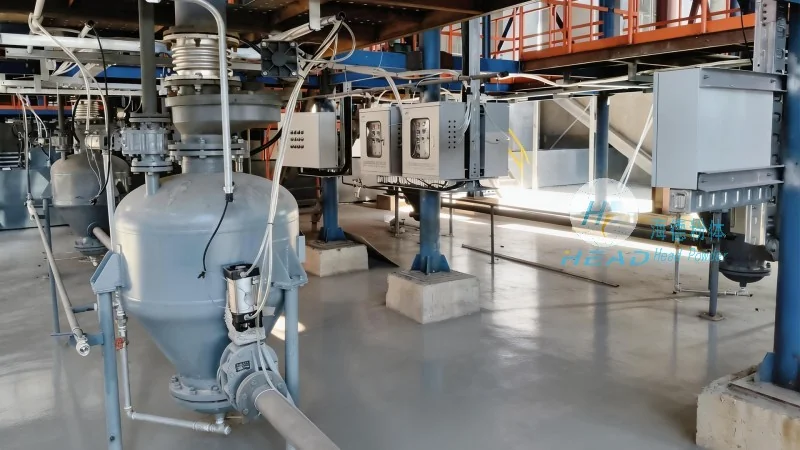
Pea pneumatic conveying equipment is widely used in various stages of pea processing, from harvesting and cleaning to storage and packaging. The primary benefit of using this equipment is the ability to handle pea grains in a clean and hygienic manner, which is essential for food safety regulations. The sealed system prevents contamination from external sources, ensuring that the pea product remains free from dust, moisture, and other impurities. This is particularly important for processing pea products into food items such as pea flour, pea protein, or canned peas. The equipment also contributes to operational efficiency by automating the material handling process, reducing the need for manual labor and minimizing the risk of human error. The consistent and reliable transport of pea grains improves the overall productivity of the processing line, allowing manufacturers to meet high demand without compromising quality. Furthermore, the equipment's energy efficiency helps in reducing operational costs, making it a cost-effective solution for pea processing facilities. The ability to convey pea grains over long distances without the need for multiple transfer points simplifies the layout of processing plants, saving space and reducing installation costs. In addition, the system's low maintenance requirements and long service life reduce downtime and maintenance expenses, contributing to overall cost savings for the facility.