

Working Principle and Features of PE Pellet Pneumatic Conveying Equipment
PE pellet pneumatic conveying equipment is a specialized system designed for the efficient and reliable transport of polyethylene (PE) pellets. This technology is widely used in various industrial applications, offering a solution to the challenges of material handling, especially for lightweight and dusty materials like PE pellets. The equipment operates based on the principles of pneumatic transport, which involves the use of air to move particles through a pipeline network.
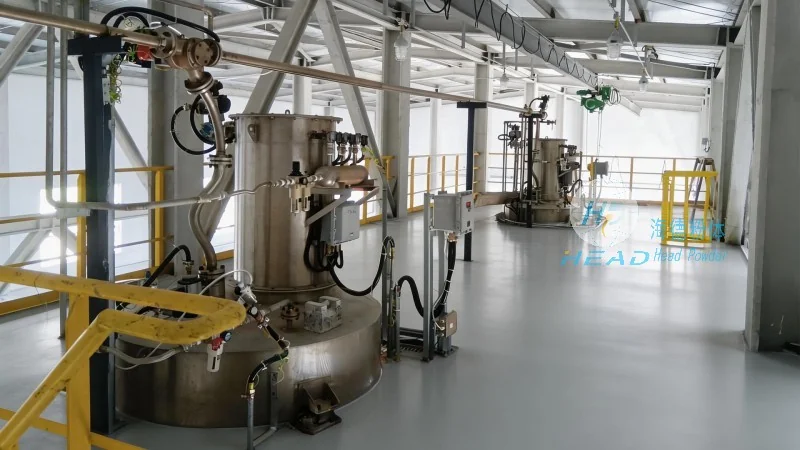
Working Principle of PE Pellet Pneumatic Conveying Equipment
The core working principle of PE pellet pneumatic conveying equipment revolves around the creation of a pressure differential or vacuum to move the material. There are two primary types of pneumatic conveying systems: positive pressure and negative pressure. In positive pressure systems, air is blown into the conveying line, pushing the pellets forward. The equipment typically includes a hopper, a feeder, a compressor, and a pipeline network. The hopper stores the PE pellets, and the feeder controls the flow rate. The compressor generates the necessary air pressure to propel the pellets through the pipeline. As the pellets are drawn into the pipeline by the moving air, they are transported to the destination point, such as a storage silo or processing unit. The system may also include a filter and a cyclone separator to clean the air and collect any escaped pellets, ensuring minimal material loss and air pollution.
On the other hand, negative pressure systems, also known as suction systems, create a vacuum in the conveying line. This vacuum pulls the PE pellets from the source into the pipeline. The source may be a hopper or a storage bin, and the system uses a vacuum pump to maintain the low pressure. The pellets are then carried by the air flow through the pipeline to the receiving end. Negative pressure systems are often preferred for applications where the material is to be transported from a higher elevation to a lower one, as the vacuum helps in pulling the material downward. Both types of systems can be customized based on the specific requirements of the application, such as the distance, height, and material characteristics.
Key Features of PE Pellet Pneumatic Conveying Equipment
PE pellet pneumatic conveying equipment offers several advantages that make it a preferred choice for industrial material handling. One of the most significant features is its ability to handle fine and dusty materials without the need for additional equipment like conveyors or elevators. The system is designed to minimize material degradation and contamination, which is crucial for PE pellets used in manufacturing processes. The equipment is also highly efficient in terms of energy consumption, as it uses compressed air or vacuum to move the material, reducing the need for mechanical components that can wear out over time.
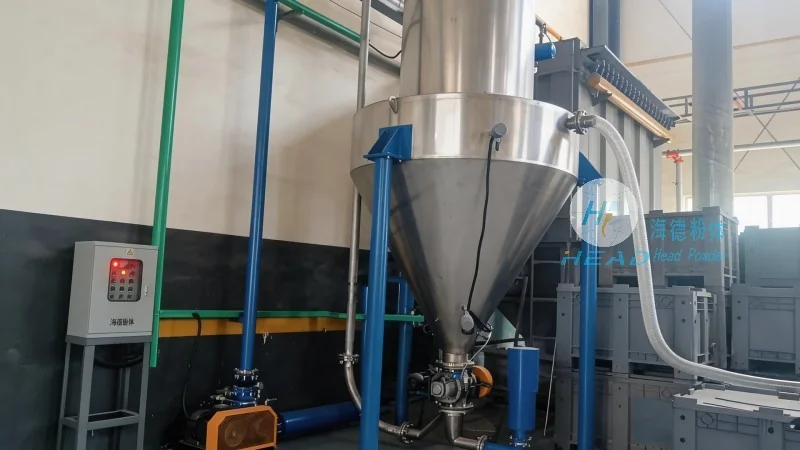
Another key feature is the flexibility of the system. The pipeline network can be easily reconfigured or expanded to accommodate changes in production volume or layout. This adaptability is particularly beneficial in industries where production needs may vary over time. The equipment is also designed for low maintenance, with components such as the hopper, feeder, and compressor being robust and durable. Regular maintenance is required to ensure optimal performance, but the system is generally reliable and has a long service life.
The safety features of PE pellet pneumatic conveying equipment are also noteworthy. The system is equipped with safety valves and pressure relief devices to prevent over-pressurization or vacuum failure. This ensures that the equipment operates within safe limits and reduces the risk of accidents. Additionally, the system can be integrated with other industrial processes, such as dust collection and material drying, to create a comprehensive material handling solution.
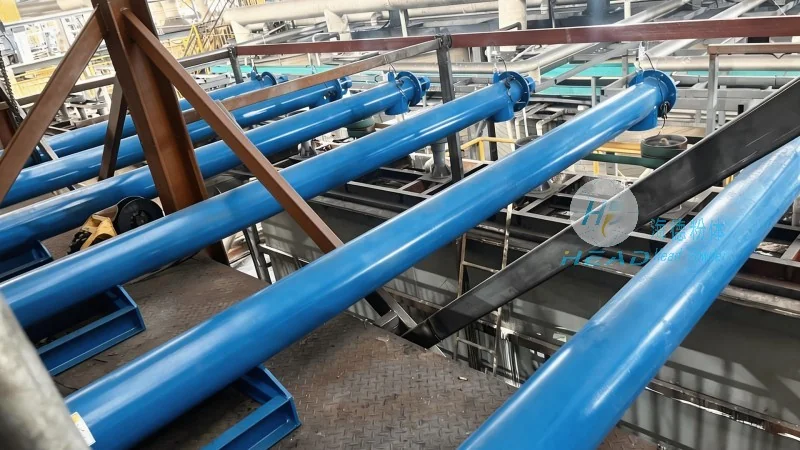
Application and Benefits in Industrial Settings
PE pellet pneumatic conveying equipment is widely used in various industries, including plastics manufacturing, chemical processing, and food processing. In the plastics industry, it is commonly used to transport PE pellets from storage silos to extrusion lines or molding machines. The equipment ensures that the pellets are delivered in a consistent and controlled manner, which is essential for maintaining the quality of the final product. The benefits of using this equipment in these applications include improved production efficiency, reduced labor costs, and enhanced product quality.
In the chemical industry, the equipment is used to transport PE pellets that have been mixed with other chemicals or additives. The system ensures that the material is handled without contamination, which is critical for maintaining the purity of the final product. The equipment also helps in reducing the risk of dust explosions, as the material is contained within the pipeline and the air is filtered to remove any dust particles.
Overall, PE pellet pneumatic conveying equipment is a versatile and efficient solution for material handling in industrial settings. By understanding its working principle and key features, businesses can make informed decisions about implementing this technology to improve their production processes and enhance overall operational efficiency.