

Application and Optimization of Pneumatic Conveying Technology in Masterbatch Conveyance Design
Masterbatch is a critical component in the plastic and rubber industries, used to impart color, additives, or functional properties to base polymers. The efficient and reliable transportation of masterbatch from storage to processing equipment is essential for maintaining product quality and production efficiency. Pneumatic conveying technology has emerged as a preferred solution for masterbatch handling due to its ability to handle fine powders, minimize contamination, and provide flexible system designs. This article explores the application and optimization of pneumatic conveying systems specifically tailored for masterbatch conveyance, highlighting the expertise of Shandong HeadPowder Engineering Co., Ltd. in designing and implementing such solutions.
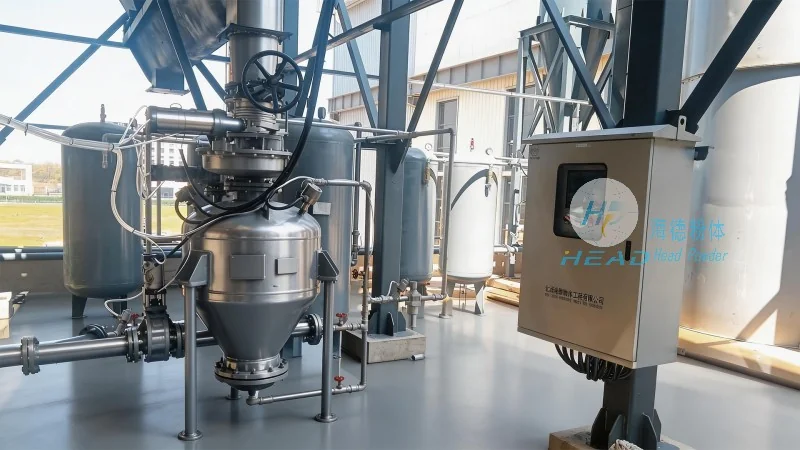
Understanding Pneumatic Conveying for Masterbatch Handling
Pneumatic conveying systems utilize air or gas to transport bulk materials like masterbatch through a network of pipes. These systems can be categorized into two main types: pressure and vacuum. Pressure systems, which are more common for masterbatch applications, use positive pressure to push material through the system, while vacuum systems use negative pressure to pull material. The choice of system depends on factors such as material characteristics, distance, and required flow rates. For masterbatch, which often consists of fine particles that are prone to bridging or caking, pressure systems are generally preferred as they provide better control over material flow and reduce the risk of blockages.
Key Design Considerations for Masterbatch Pneumatic Conveying
Designing an effective pneumatic conveying system for masterbatch requires careful consideration of several critical factors. First, the material's physical properties, including particle size, density, and moisture content, must be thoroughly analyzed. These properties influence the system's pressure drop, required air volume, and overall energy consumption. For example, smaller particles may require higher air velocities to prevent deposition, while larger particles might need lower velocities to avoid excessive wear on system components. Additionally, the masterbatch's color and additive content are important, as some materials may be sensitive to air exposure or require special handling to prevent degradation.
Second, the system's layout and configuration play a significant role in performance. The distance between the masterbatch storage silo and the processing equipment, the number of transfer points, and the presence of vertical or horizontal sections all impact the system's efficiency. Vertical conveying sections often require higher air velocities to overcome gravity, while horizontal sections may use lower velocities but need larger pipe diameters to maintain flow. Shandong HeadPowder Engineering Co., Ltd. specializes in customizing system layouts to match specific plant layouts and operational requirements, ensuring optimal performance and minimal downtime.
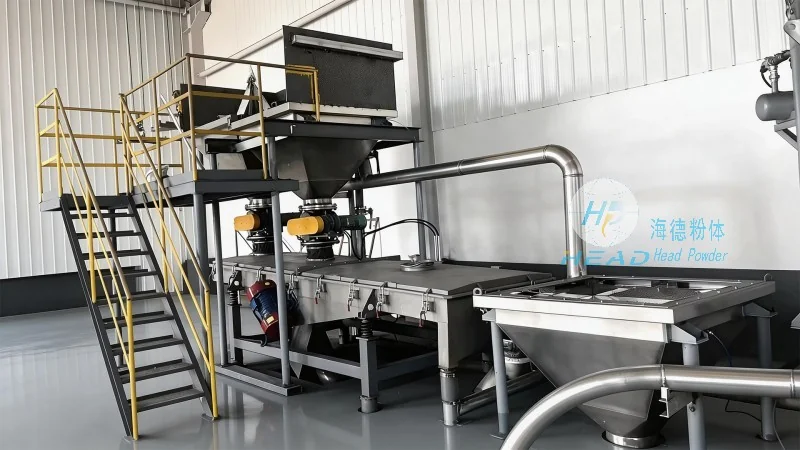
Optimizing Pneumatic Conveying Systems for Masterbatch Applications
Optimization of pneumatic conveying systems involves several strategies to enhance efficiency, reduce costs, and improve product quality. One key approach is the use of advanced control systems that monitor and adjust air pressure, flow rate, and material feed rates in real-time. These systems can detect changes in material flow and automatically adjust parameters to maintain consistent performance, preventing issues such as clogging or uneven distribution. Another optimization technique is the incorporation of pulse or rotary airlock valves, which help maintain a steady flow of material and reduce the risk of blockages. Additionally, the use of high-quality, wear-resistant materials for system components, such as pipes and valves, extends the system's lifespan and reduces maintenance costs.
Energy efficiency is also a critical consideration in modern masterbatch conveying systems. By optimizing air velocity and pressure, systems can reduce energy consumption without compromising performance. For instance, using larger pipe diameters for longer horizontal runs can lower air velocity requirements, thereby reducing energy use. Furthermore, the integration of energy recovery systems, such as pressure recovery units, can capture and reuse a portion of the air pressure, further improving efficiency. Shandong HeadPowder Engineering Co., Ltd. employs these optimization strategies in their designs to deliver systems that are both cost-effective and environmentally friendly.
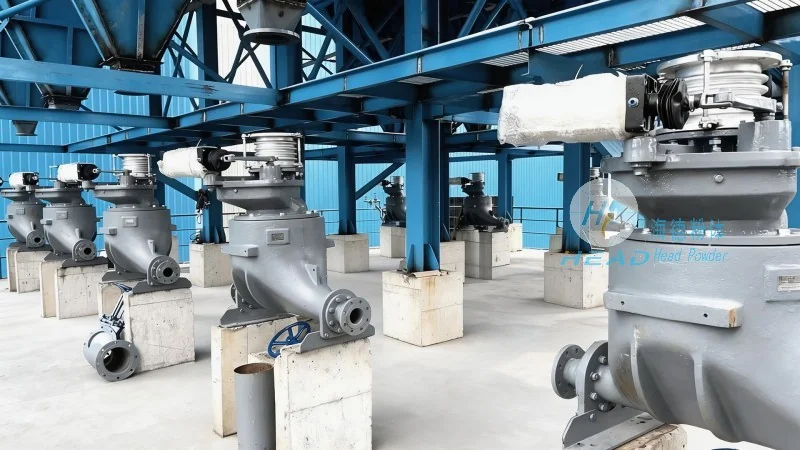
Benefits of Implementing Pneumatic Conveying for Masterbatch Handling
The adoption of pneumatic conveying technology for masterbatch handling offers numerous benefits for manufacturers. Firstly, it significantly reduces the risk of contamination compared to mechanical conveying systems, which may introduce dust or particles from the environment. This is particularly important for masterbatch, which is often used in food-grade or medical applications where purity is paramount. Secondly, pneumatic systems provide greater flexibility in system design, allowing for easy integration with existing plant infrastructure or expansion to accommodate future production needs. Thirdly, these systems can improve production efficiency by minimizing downtime caused by material handling issues, as they are less prone to clogging and require less maintenance than traditional systems.
Furthermore, pneumatic conveying systems can enhance product quality by ensuring consistent material distribution and preventing segregation of different masterbatch colors or additives. This consistency is crucial for maintaining uniform product properties across batches. Finally, the use of advanced control systems and optimization techniques can lead to long-term cost savings by reducing energy consumption and maintenance requirements. Shandong HeadPowder Engineering Co., Ltd. has successfully implemented these benefits for numerous clients, helping them improve their operational efficiency and product quality.
Conclusion and Company Expertise
In conclusion, pneumatic conveying technology is a highly effective and efficient solution for masterbatch conveyance, offering numerous advantages over traditional mechanical systems. The successful implementation of such systems depends on careful design, optimization, and expertise in handling the unique challenges of masterbatch materials. Shandong HeadPowder Engineering Co., Ltd., with its extensive experience in the field, provides comprehensive solutions tailored to the specific needs of each client. By leveraging advanced technology and a deep understanding of material handling principles, the company ensures that its pneumatic conveying systems deliver optimal performance, reliability, and cost-effectiveness for masterbatch processing applications.