

Application and Optimization of Pneumatic Conveying Technology in Buckwheat Hull Conveying Design
For businesses involved in the processing of buckwheat hulls, efficient material handling is a critical factor in maintaining operational efficiency and product quality. Pneumatic conveying technology offers a versatile and effective solution for transporting these lightweight, often dusty materials. This article explores the application and optimization of pneumatic conveying systems specifically tailored for buckwheat hulls, highlighting the benefits and design considerations that ensure reliable performance in industrial settings.
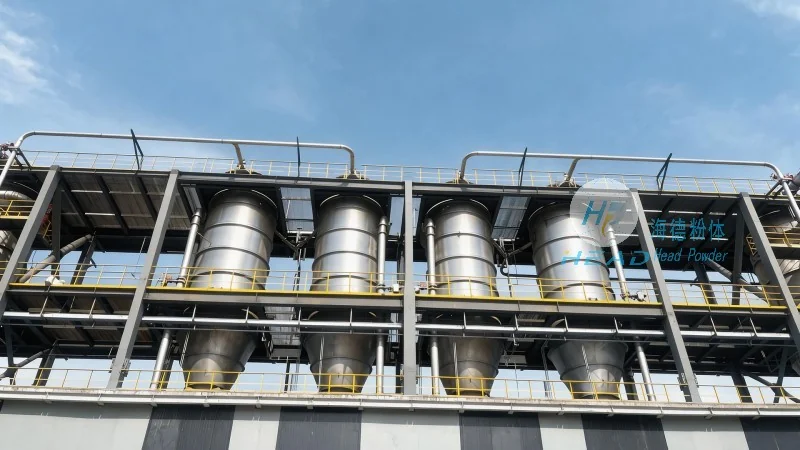
Understanding the Challenges of Buckwheat Hull Conveying
Buckwheat hulls are characterized by their low bulk density and tendency to generate dust during handling. Traditional mechanical conveyors may struggle with these properties, leading to issues such as blockages, material degradation, and increased maintenance costs. Pneumatic conveying systems, by contrast, utilize air to move materials through a sealed pipeline, mitigating these challenges and providing a more controlled environment for material transport.
Key Components of a Pneumatic Conveying System for Buckwheat Hulls
The effectiveness of a pneumatic conveying system for buckwheat hulls depends on several key components. These include the air compressor, which generates the necessary pressure to move materials; the hopper or feeder, which controls the flow of hulls into the system; and the conveying pipeline, which may be designed with features like bends and filters to maintain efficiency. Additionally, the system may incorporate dust collection and filtration equipment to ensure compliance with environmental regulations and protect equipment from contamination.
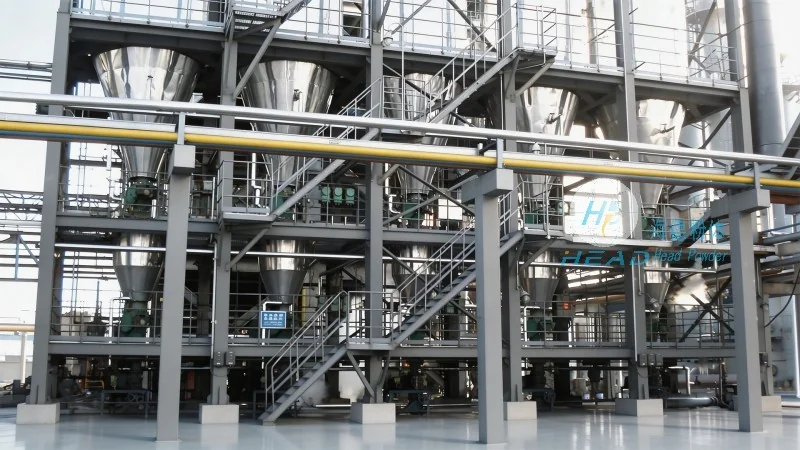
Optimizing Pneumatic Conveying for Buckwheat Hulls: Design Considerations
Optimization of pneumatic conveying systems for buckwheat hulls involves careful consideration of several factors. The selection of the appropriate air velocity is crucial, as it must be high enough to prevent material settling but low enough to avoid excessive wear on the pipeline and equipment. The system's pressure and flow rate are also critical parameters that need to be balanced to achieve efficient transport without energy waste. Furthermore, the design of the hopper and feeder must be tailored to the specific characteristics of buckwheat hulls, ensuring consistent material feed and preventing clogging.
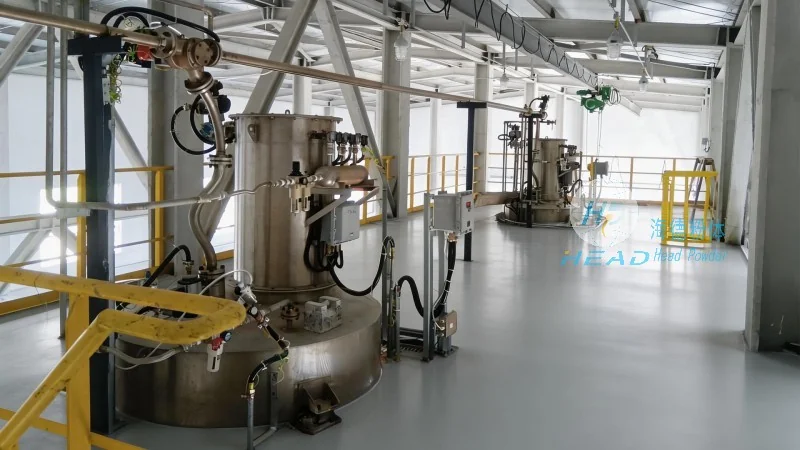
Benefits of Implementing Optimized Pneumatic Conveying Systems
By implementing an optimized pneumatic conveying system for buckwheat hulls, companies can realize several key benefits. These include improved operational efficiency through reduced downtime and maintenance, enhanced product quality by minimizing dust and material degradation, and cost savings from lower energy consumption and reduced waste. Additionally, the sealed nature of the system helps maintain a clean and safe working environment, which is essential for compliance with health and safety regulations.
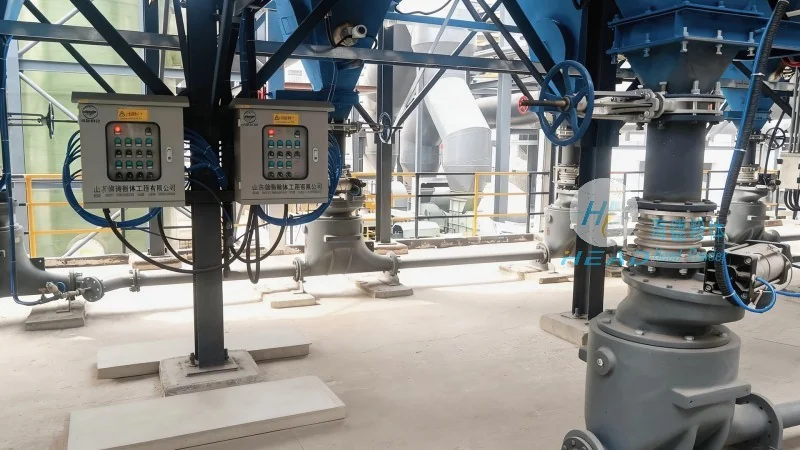
Case Study: Successful Implementation by Shandong HeadPowder Engineering Co., Ltd.
Shandong HeadPowder Engineering Co., Ltd., a leading provider of material handling solutions, has successfully implemented optimized pneumatic conveying systems for buckwheat hulls in various industrial applications. The company's expertise in designing and manufacturing customized systems has enabled clients to achieve significant improvements in their material handling processes. For example, one client reported a 30% reduction in material loss and a 20% decrease in maintenance costs after upgrading to a pneumatic conveying system designed specifically for buckwheat hulls. These results highlight the effectiveness of the technology and the importance of proper system design and optimization.
Conclusion: The Future of Buckwheat Hull Conveying with Pneumatic Technology
Pneumatic conveying technology continues to play a vital role in the efficient handling of buckwheat hulls. By understanding the unique challenges associated with these materials and implementing optimized system designs, companies can enhance their operational performance and achieve sustainable growth. As the demand for buckwheat products increases, the importance of reliable and efficient material handling solutions will only grow, making pneumatic conveying an essential component of modern processing facilities.