

Application and Optimization of Pneumatic Conveying Technology in Dry Yeast Conveying Design
HeadPowder, a leading engineering firm based in Shandong, China, specializes in the design and implementation of advanced pneumatic conveying systems tailored for the efficient handling of dry yeast. This article explores the application and optimization strategies of pneumatic conveying technology in dry yeast transportation, highlighting how such systems enhance operational efficiency, product quality, and overall process reliability.
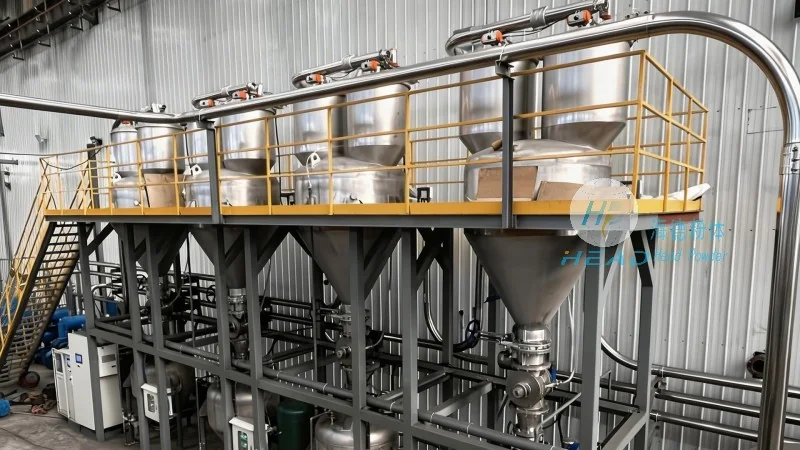
Understanding Pneumatic Conveying for Dry Yeast
Pneumatic conveying is a method of transporting bulk materials, including dry yeast, through a pipeline using air or gas as the conveying medium. Unlike traditional mechanical systems like screw conveyors or belt conveyors, pneumatic systems offer several advantages that are particularly beneficial for handling sensitive materials like dry yeast. These advantages include reduced product contamination, lower risk of product degradation, and the ability to transport materials over longer distances with minimal energy consumption. The core components of a pneumatic conveying system typically include a hopper for material storage, a conveyor line with appropriate piping, a blower or compressor to generate the conveying air, and a discharge system to deliver the material to its destination.
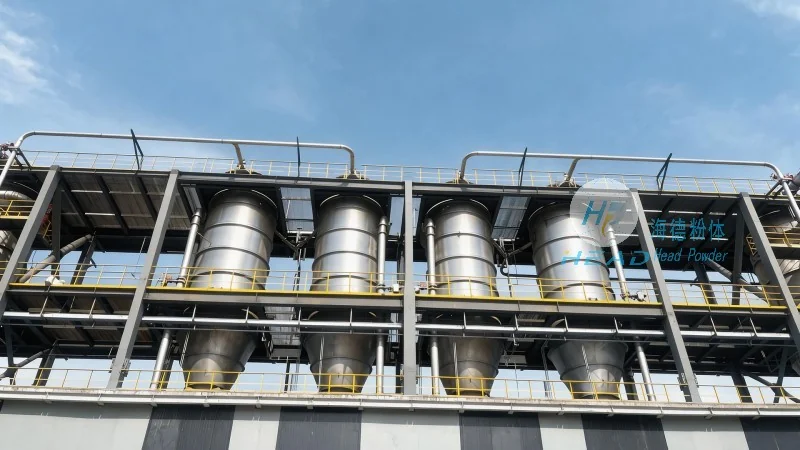
Key Benefits of Pneumatic Conveying in Dry Yeast Handling
When applied to dry yeast, pneumatic conveying systems provide significant benefits that contribute to improved process performance. First, the enclosed pipeline design minimizes exposure to external contaminants, ensuring that the yeast remains in a sterile and hygienic state throughout the transportation process. This is crucial for maintaining the quality and potency of the yeast, which is essential for its use in fermentation processes. Second, the gentle handling of the material reduces mechanical stress, preventing agglomeration or breakage of the yeast cells. This helps preserve the yeast's viability and activity, which directly impacts the efficiency of downstream fermentation operations. Third, pneumatic systems allow for flexible and scalable solutions, enabling manufacturers to adjust the conveying capacity based on production needs without significant modifications to the infrastructure. Additionally, these systems can integrate with other process equipment, such as mixers or reactors, creating a seamless flow of materials within the production line.
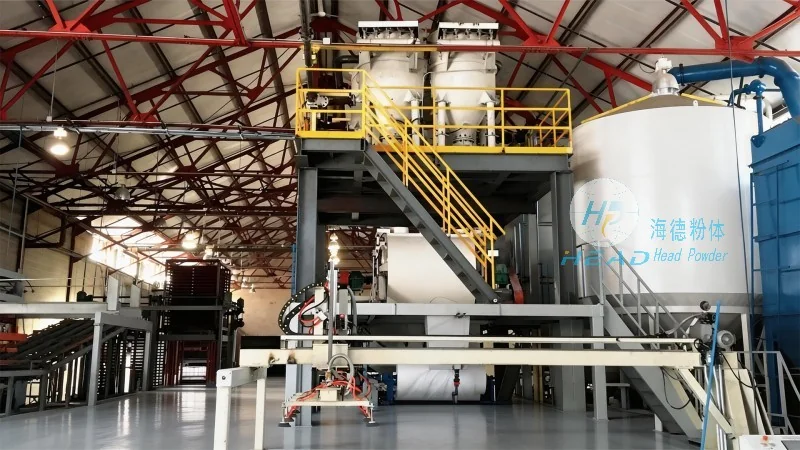
Optimization Strategies for Dry Yeast Pneumatic Conveying
Optimizing the performance of pneumatic conveying systems for dry yeast involves several key strategies aimed at maximizing efficiency, minimizing energy use, and ensuring consistent material flow. One critical aspect is the selection of the appropriate conveying air velocity and pressure. Higher air velocities can increase the conveying capacity but may also lead to higher energy consumption and increased wear on system components. Conversely, lower velocities may reduce energy use but could result in lower capacity or increased risk of material blockages. Engineers at HeadPowder typically conduct thorough calculations and simulations to determine the optimal air velocity and pressure for a specific application, considering factors such as the material's bulk density, particle size distribution, and the length of the conveying line. Another important optimization factor is the design of the hopper and feed system. Proper hopper design, including the use of a venturi or aeration system, helps prevent material bridging and ensures a consistent flow of dry yeast into the conveyor line. The feed mechanism, such as a rotary valve or a star feeder, must be selected to match the material's flow characteristics, preventing clogging and maintaining a steady flow rate. Additionally, the use of inline filters and cyclones in the conveying line helps remove any fine particles or dust from the air stream, protecting downstream equipment and maintaining the purity of the yeast. Regular maintenance and monitoring of the system are also essential for optimal performance. HeadPowder recommends implementing a preventive maintenance schedule that includes inspections of the blower, filter systems, and pipeline for any signs of wear or blockage. Real-time monitoring of pressure, flow rate, and temperature can help identify potential issues before they lead to system failures, ensuring continuous and reliable operation.
Case Study: Enhancing Yeast Conveying Efficiency at a Local Brewery
To illustrate the practical benefits of optimized pneumatic conveying systems, consider a case study involving a local brewery in Shandong that uses dry yeast for its fermentation processes. The brewery previously relied on a mechanical screw conveyor system to transport yeast from storage to the fermentation tanks. However, this system was prone to clogging, required frequent cleaning, and resulted in a significant loss of yeast quality due to exposure to contaminants. After consulting with HeadPowder, the brewery implemented a new pneumatic conveying system designed specifically for dry yeast handling. The system included a stainless steel hopper with an aeration system, a high-efficiency blower, and a cyclone separator to remove fine particles from the air stream. The initial results were immediate and substantial. The conveying capacity increased by 40%, reducing the time required to transport yeast from storage to the tanks by approximately 30 minutes per batch. More importantly, the yeast quality improved, as evidenced by higher fermentation rates and better product consistency. The brewery also reported a reduction in energy consumption by 25% compared to the old mechanical system, leading to lower operational costs. This case study highlights how the application of optimized pneumatic conveying technology can deliver tangible benefits for manufacturers handling dry yeast, including increased efficiency, improved product quality, and reduced operational expenses.
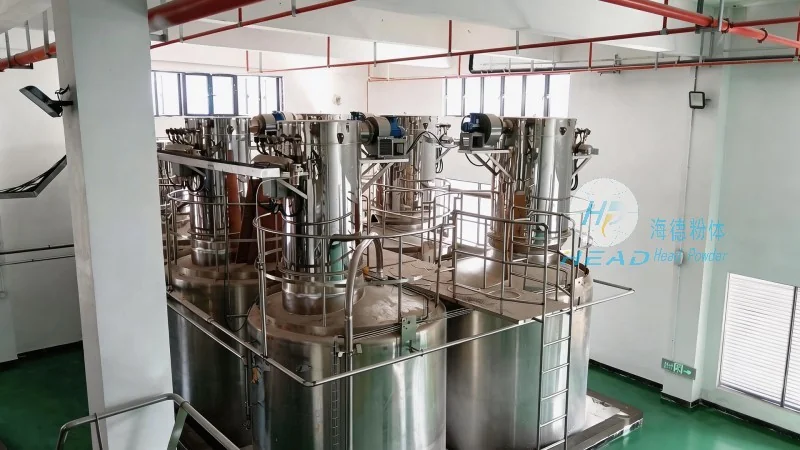
Conclusion and Future Directions
In conclusion, pneumatic conveying technology offers a highly effective and efficient solution for the transportation of dry yeast in industrial settings. By leveraging the enclosed pipeline design and optimized air flow, manufacturers can minimize product contamination, preserve yeast quality, and enhance overall process reliability. HeadPowder, with its expertise in engineering and design, provides tailored solutions that address the specific needs of each client, ensuring that the pneumatic conveying system is optimized for maximum performance. As the demand for high-quality dry yeast continues to grow, the adoption of advanced pneumatic conveying systems will remain a critical factor in maintaining competitive advantages in the industry. With ongoing advancements in system design and control technologies, the future of dry yeast handling through pneumatic conveying looks promising, with continued improvements in efficiency, sustainability, and product quality.