

Introduction to Zinc Oxide Conveying Systems and the Advantages of Air-Driven Zinc Oxide Conveying
Zinc oxide is a critical industrial material used in sectors like rubber manufacturing, pharmaceuticals, and cosmetics. Efficient and reliable transport of this fine powder is essential for maintaining production efficiency and product quality. The zinc oxide conveying system, particularly air-driven or pneumatic conveying systems, has emerged as a preferred solution due to its effectiveness and adaptability. This article provides an overview of these systems, detailing their operational principles, key components, and the advantages they offer for handling zinc oxide.
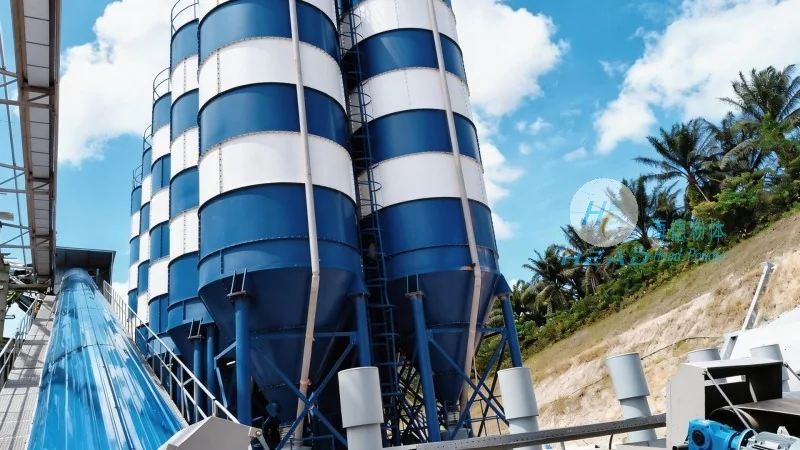
About Shandong HeadPowder Engineering Co., Ltd.
HeadPowder, a leading manufacturer specializing in material handling equipment, focuses on delivering high-quality pneumatic conveying solutions. The company is headquartered in Shandong, China, and has established a strong reputation for its innovative designs and rigorous quality control processes. HeadPowder’s team of engineers and technicians leverages advanced technology to create customized systems tailored to the unique needs of various industries. The company’s commitment to customer satisfaction and operational excellence has made it a trusted partner for businesses seeking to optimize their material transport processes.
Advantages of Air-Driven Zinc Oxide Conveying
The air-driven conveying system for zinc oxide utilizes compressed air to transport the material through a network of pipelines. This method offers several key advantages over traditional mechanical conveying systems. First, it eliminates the need for moving parts such as belts, chains, or screws, which can cause wear, contamination, or mechanical failure. By maintaining the material in a suspended state, the system prevents agglomeration or caking, ensuring a consistent and smooth flow—critical for fine powders like zinc oxide that are prone to sticking together.
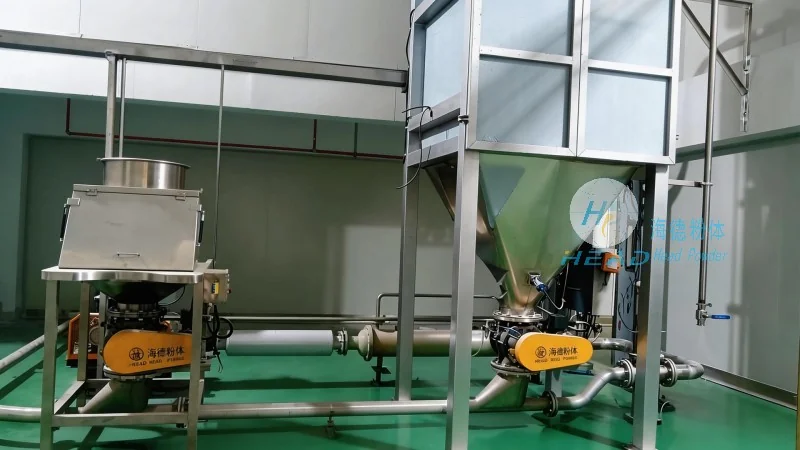
Second, the air-driven system provides precise control over material flow. Operators can adjust air pressure and flow rate to regulate transport speed and direction, allowing for optimal control of the conveying process. This level of control is vital for maintaining product quality and preventing material loss or degradation. Additionally, the system can transport zinc oxide over long distances with minimal pressure loss, making it suitable for large-scale industrial operations where material needs to be moved from one location to another.
Third, the air-driven conveying system enhances safety and hygiene. The absence of mechanical components reduces contamination risk, making it ideal for applications where product purity is critical, such as in pharmaceutical and food industries. The system also minimizes dust exposure, as material is contained within the pipeline, reducing inhalation risks and environmental contamination. This makes it a safer option for both operators and the surrounding environment.
Key Features of the Zinc Oxide Conveying System
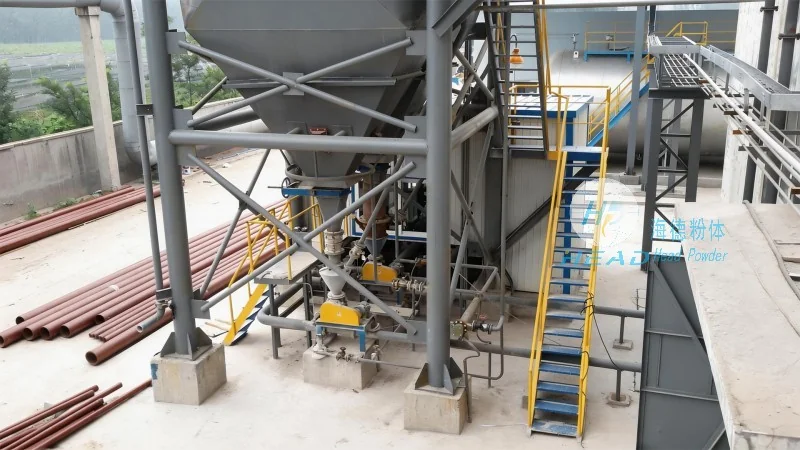
The zinc oxide conveying system from HeadPowder is designed with several key features that enhance performance and reliability. The system includes a hopper for material storage, a rotary airlock valve for controlling material flow into the pipeline, and a series of pipelines with appropriate bends and fittings to guide the material to its destination. High-quality materials, such as stainless steel or corrosion-resistant alloys, are used to ensure the system can withstand zinc oxide’s chemical properties and maintain integrity over time.
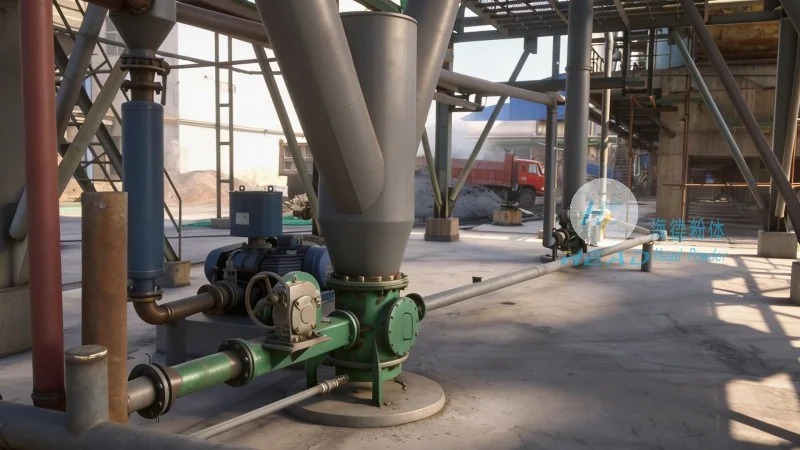
Another important feature is the system’s ability to integrate seamlessly with existing production lines. HeadPowder’s engineers can design and install the conveying system to fit current workflows, minimizing downtime and disruption. The modular design allows for easy adjustments and modifications, enabling the system to adapt to changing production requirements. This flexibility is a significant advantage for businesses scaling operations or adjusting material handling processes.
Furthermore, the system is equipped with monitoring and control devices that track flow rate, pressure, and other parameters in real-time. This data helps optimize performance and identify potential issues before they become major problems. The system also includes safety features like pressure relief valves and emergency shut-off mechanisms to ensure safe operation and protect against accidents.